Adobe Stock/SkandaRamana
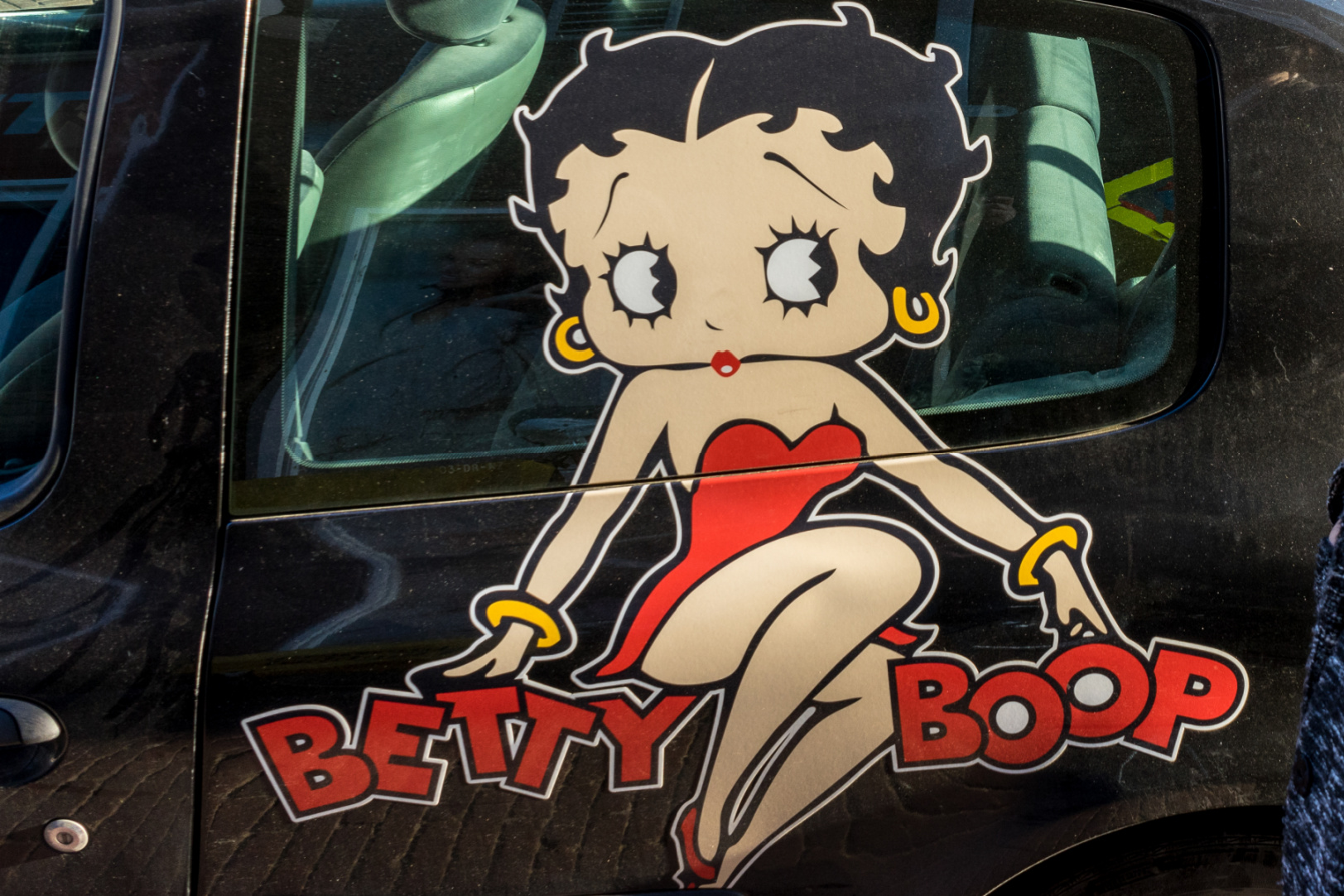
America woke up in 2026 to many things: oil prices doing whatever they feel like, flu season making its annual return tour, playoff debates already spiraling out of control, and award shows desperately trying to convince us they still matter.
And somewhere in the middle of all that noise, something quietly historic happened.
Betty Boop and Blondie slipped into the public domain.
No fireworks. No parade. No breaking-news chyron. Just two cultural icons politely packing their bags and leaving copyright protection after 95 years, joining Mickey Mouse, Winnie the Pooh, and a growing list of characters who are now officially everyone’s problem.
Bless their headlines.
Ninety-Five Years Later, the Lock Finally Clicked Open
After nearly a century under copyright protection, the earliest appearances of Betty Boop and Blondie are now free for public use. That means creators, artists, filmmakers, advertisers, and yes — internet weirdos — can legally reuse, remix, reinterpret, and reimagine these characters without permission or payment.
This isn’t theft. It’s not piracy. It’s how the system was designed to work before Congress decided to keep extending copyright terms like a Netflix series that should’ve ended three seasons ago.
For the first time since the Great Depression era, these characters belong to the public. Which feels fitting, considering how much of today’s cultural economy is powered by nostalgia and recycling things we already loved once.
Public Domain Day: A Holiday No One Throws a Party For
January 1 has quietly become Public Domain Day — a celebration mostly observed by law professors, archivists, and the handful of people who still believe culture should eventually belong to everyone.
Every year since 2019, a new batch of creative works has entered the public domain after a 20-year drought caused by copyright extensions. Each year adds another layer of shared cultural memory back into circulation.
This year’s class doesn’t have the star power of Mickey Mouse or Winnie the Pooh, but it has something arguably more interesting: texture. These characters were born in an era shaped by economic collapse, global uncertainty, and massive social change.
Which somehow feels… familiar.
Betty Boop: Flapper, Feminist, or Marketing Icon? Yes.
Betty Boop has always been complicated. She was flirtatious and rebellious, innocent and suggestive, playful and controversial. She represented freedom, independence, and the roaring optimism of early animation — right before the world got serious.
Now she’s free to become whatever modern creators decide she is. Which means Betty Boop may soon be rebranded as a feminist icon, a satirical meme, or a tragic metaphor for capitalism. Possibly all three by Thursday.
Bless the internet in advance.
Blondie: Domestic Bliss, Rewritten
Blondie, meanwhile, has spent decades symbolizing domestic life, marriage, and middle-class normalcy. She was never flashy, never edgy — just familiar. Dependable. Comforting.
Which makes her ripe for reinvention.
In 2026, Blondie could become a sharp social satire, a dark comedy, or an indie graphic novel about suburban discontent. Or she could remain exactly what she’s always been, because nostalgia sells and change makes people nervous.
Either way, she’s no longer protected. She’s available. And that alone changes everything.
Why This Actually Matters (Even If It Sounds Nerdy)
Public domain isn’t just about old cartoons. It’s about access. It’s about creativity not being locked behind corporate walls forever. It’s about culture being allowed to breathe, evolve, and respond to new generations.
These works reflect a time between two world wars, during economic uncertainty and social transformation. That fragility — as scholars note — is baked into the art itself.
Which is why letting these works reenter public life matters. They remind us where we’ve been, how stories change, and how creativity survives long after the original creators are gone.
Meanwhile, Back in Reality…
Of course, this quiet cultural milestone is competing with louder headlines: geopolitical tension, rising prices, playoff brackets, and red-carpet speculation.
But maybe that’s the point.
While everything else feels unstable, the slow ticking clock of copyright law did exactly what it was supposed to do. It ended. It released something back into the world.
No drama. No hashtags. Just a reminder that not everything is meant to be owned forever.
So Welcome to 2026, Betty and Blondie
They arrive not with fanfare, but with possibility. They’re no longer frozen in time. They’re open to interpretation, reinvention, and misuse — which is the risk of freedom.
And honestly? That feels like a very 2026 storyline.
Bless their headlines.
RECENT

Creating a Cozy Home That Supports Your Well-Being
Health & Wellness

5 Easy Ways to Prepare for the Next Season Before It Takes Over
Health & Wellness

Your 40s Aren’t Just About Hormones — They’re About Your Heart
Uncategorized
Wellness Benefits of Pumpkin Season
Health & Wellness
Fall Into Wellness: Creating a Healthier Autumn Routine
Health & Wellness
How to Prepare for Holiday Stress Before It Takes Over
Fitness
🇺🇸 Why the Liberty Bell Doesn’t Actually Ring Anymore
Did You Know?
A Rock Star’s Road to Redemption
Entertainment
New York Community Replaces Defaced Declaration Replica
America
How Four Seconds Can Help Calm the Mind
Friday Fuel
BE THE FIRST TO KNOW
Want to stay in the loop? Be the first to know! Sign up for our newsletter and get the latest stories, updates, and insider news delivered straight to your inbox.
More Content By
Georgia Dale
Hot Dogs, Heat and the Mustard Belt
Bless Your Headlines
Georgia Dale: The Cat Did Not Make Him Do It
Bless Your Headlines
Macaroni, Dive Bars and Sundaes: July 7 Gets Weird
Offbeat Observances
Bless Your Punchlines
Bless Your Headlines

Bless His Heart, He Tried to Rideshare Out of a Police Perimeter
Bless Your Headlines
Outfits, Algorithms, and Falling Space Rocks
Offbeat Observances
A Duck, a Dream, and FIFA’s Fun Police
Bless Your Headlines
Bless the $75 Tots
Bless Your Headlines
Typewriters and Flamingos
Offbeat Observances

The Left Lane Is Not Your Personal Porch
Bless Your Headlines
View All Content By Georgia Dale