
Adobe Stock/kudosstudio
Pill Instead of CPAP? New Sleep Apnea Drug Shows Promise
A Potential Breakthrough for Millions
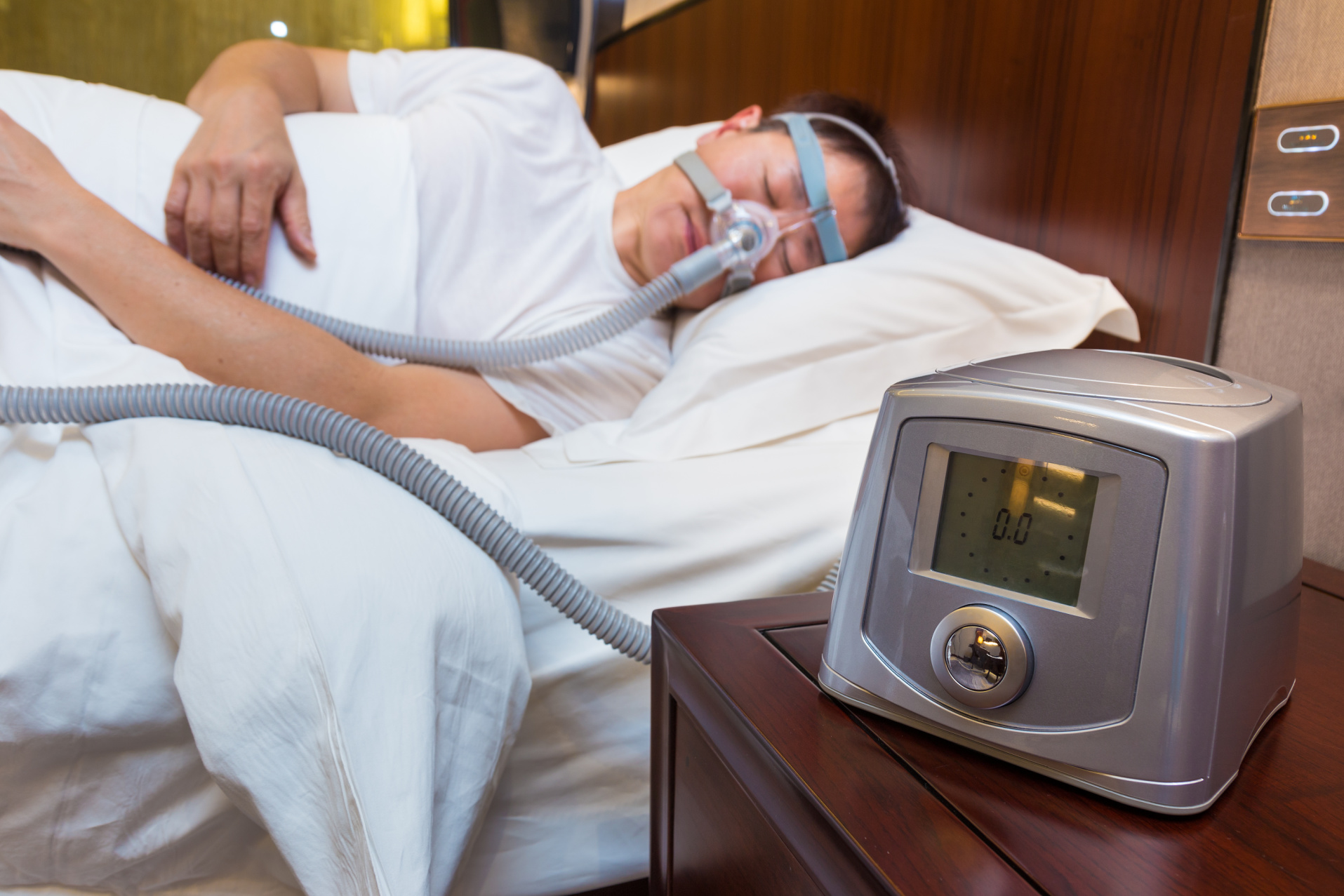
For the roughly 30 million Americans living with obstructive sleep apnea (OSA), treatment often comes with a major hurdle: the CPAP machine. While effective, many patients find the mask, tubing and nightly routine difficult to tolerate — leading some to skip treatment altogether. Now, a new once-daily pill could offer a radically different option.
A Massachusetts-based biotech company, Apnimed, is preparing to seek FDA approval for AD109, a nightly oral medication that may become the first pill approved specifically to treat obstructive sleep apnea.
How the Drug Works
Unlike CPAP, which physically forces air through the airway, AD109 targets the neurological and muscular mechanisms behind airway collapse. The pill combines two drugs — aroxybutynin and atomoxetine — designed to stabilize throat muscles and improve breathing during sleep. Together, they help keep the upper airway open by enhancing muscle tone and signaling between the brain and airway.
Sleep experts say this approach directly addresses the root cause of OSA rather than managing symptoms alone.
Clinical Trial Results
In phase 3 clinical trials, patients taking AD109 experienced a significant reduction in breathing interruptions during sleep compared to those receiving a placebo. One study showed an average reduction of more than 55% in nightly apnea events after 26 weeks, along with improved oxygen levels. Reported side effects were generally mild, including dry mouth and insomnia, with no serious safety concerns identified.
Sleep specialist Paul Muchowski, Ph.D., called a pill for sleep apnea the “holy grail” of sleep medicine, noting that many patients never seek treatment because CPAP feels overwhelming.
What Comes Next
Apnimed plans to submit its application to the FDA in the first half of 2026. If approved, the drug could reach patients as early as 2027 — potentially transforming how sleep apnea is treated and improving long-term health outcomes tied to heart disease, stroke and cognitive decline.
RECENT

Kansas Lawmakers Advance School Cell Phone Crackdown
Education

Indiana Targets Social Media Addiction Among Kids
Education

Grab Your Wife, Ralph Kramden — It’s Race Time
Bless Your Headlines

Three Silly Holidays Americans Are Celebrating on March 10
Bless Your Headlines

Wisconsin Targets Financial Exploitation
Finance

Wyze & The Tellers Release “This Ain’t That”
Entertainment

Trey Calloway Rolls Out “Truck Around”
Entertainment

The Irish Girl Who Opened Ellis Island
Culture

AJ’s Legacy Drives Road Safety in NY
Life & Death

Irish Americans Who Helped Build the United States
Did You Know?
BE THE FIRST TO KNOW
Want to stay in the loop? Be the first to know! Sign up for our newsletter and get the latest stories, updates, and insider news delivered straight to your inbox.

More Content By
Think American News StaffKansas Lawmakers Advance School Cell Phone Crackdown
Education
Indiana Targets Social Media Addiction Among Kids
Education
Wisconsin Targets Financial Exploitation
Finance
Wyze & The Tellers Release “This Ain’t That”
Entertainment
Trey Calloway Rolls Out “Truck Around”
Entertainment
The Irish Girl Who Opened Ellis Island
Culture
AJ’s Legacy Drives Road Safety in NY
Life & Death
Irish Americans Who Helped Build the United States
Did You Know?

Wisconsin Lawmaker Steps “On the Job” with Local Workers
Economy

Weekend Adventures Await
Dating
View All Content By Think American News Staff