Adobe Stock/AGPhotography/stock.adobe.com

New Poll Shows 45% Approve of Trump’s Middle East Approach as Voter Sympathies Shift
A Divided Electorate on Trump’s Handling of the Middle East
Voter sentiment on former President Donald Trump’s Middle East policy is sharply divided, with nearly half of likely voters giving him high marks even as overall sympathies toward Israel and Palestine continue to shift. According to a new Rasmussen Reports national survey, 45% of likely U.S. voters say Trump is doing a good or excellent job when it comes to issues related to Israel and the Middle East. Meanwhile, 38% rate his performance as poor, underscoring the polarized political landscape surrounding foreign policy.
The new survey by Rasmussen of 1,233 likely voters, conducted November 18–20, 2025, reveals notable changes in how Americans view the decades-long conflict between Israel and Palestine—and how those views color their opinions on Trump’s performance.
Sympathies Toward Israel Decline Across Parties
One of the most striking findings is a significant softening of support for Israel across the electorate. Today, only 38% of voters say they sympathize more with the Israelis, while 32% side more with the Palestinians and 31% remain unsure. This represents a dramatic shift from November 2023—just after the Gaza war began—when 59% of voters expressed greater sympathy for Israel and only 19% for the Palestinians.
Democrats represent the largest shift. In 2023, Democratic voters favored Israel by a 26-point margin (48% to 22%). In the latest survey, that margin has flipped entirely: Democrats now sympathize with the Palestinians by the same 26-point difference.
Republicans remain more supportive of Israel, though support has softened from 70% in 2023 to 55% today. Independent voters show a similar decline, with sympathy for Israel dropping from 60% to 37%.
Trust in Parties Mirrors Foreign Policy Divisions
When asked which party they trust more to handle Middle East issues, 43% of likely voters choose Republicans, while 36% trust Democrats more and 20% remain unsure. Among partisan voters, the trust gap is even more pronounced:
- 81% of Republicans trust their own party most on Middle East policy
- 71% of Democrats trust theirs
- Independent voters lean Republican by a 40% to 24% margin
These divisions extend to assessments of Trump’s performance. Among voters who sympathize more with Israel, 72% say Trump is doing a good or excellent job. Among those who sympathize with the Palestinians, 62% give him a poor rating.
Sharp Divides by Gender, Race, Age, and Income
The survey highlights notable demographic divides:
- Men are significantly more likely than women to sympathize with Israel (43% vs. 32%), and more men (52%) give Trump high marks for his handling of Middle East policy compared to women (38%).
- Voters identifying as white and Hispanic are more likely to trust Republicans on Middle East issues, while black voters lean toward trusting Democrats and are most likely to sympathize with Palestinians.
- Younger voters, particularly those under 30, sympathize more with Palestinians (52%), while majorities of voters over 50 lean toward Israel.
- Voters earning $30,000 to $50,000 annually are the most likely to rate Trump’s performance positively, while voters making over $200,000 show the strongest support for Israel.
Political Identity Strongly Predicts Views
Political identity remains a defining factor. Among 2024 Trump voters, 58% sympathize more with Israel. Among Kamala Harris voters, that number drops to just 20%. And while Republicans overwhelmingly approve of Trump’s handling of Middle East issues (75%), only 21% of Democrats and 40% of unaffiliated voters say the same.
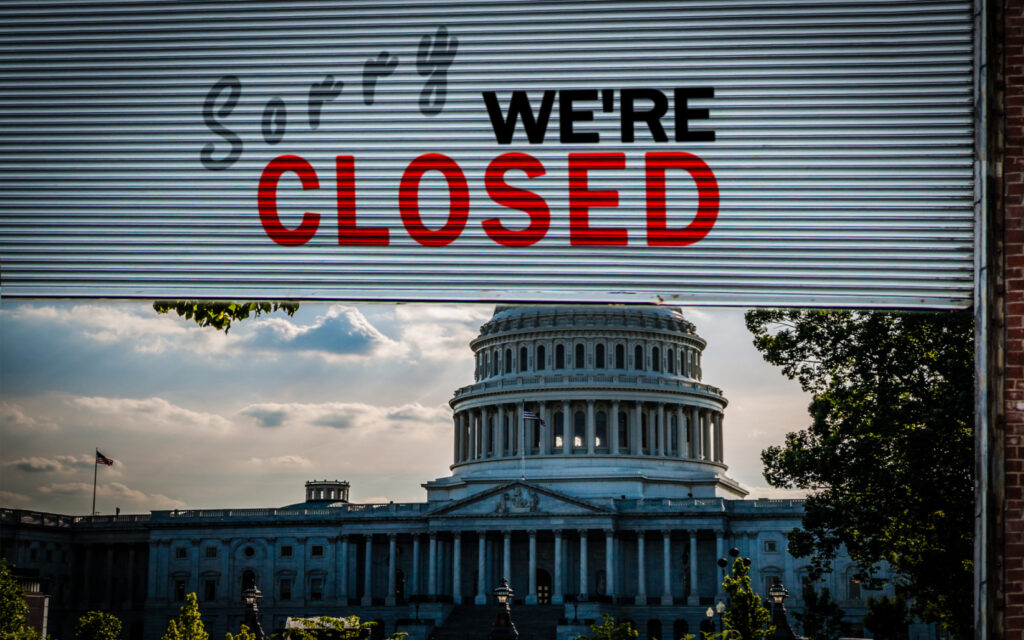
The poll also notes voter dissatisfaction with congressional leadership following the recent 43-day government shutdown, as well as continued support for the H-1B visa program despite mixed reactions to Trump’s recent comments about foreign workers.
RECENT

Arizona House to Honor Crew of PCU Arizona
In Service

Classic Country Comes Alive on LIVE WIRE
Entertainment

Arizona House Toughens Sexual Extortion Law
In The States

Deli Meats & Democracy
Uncategorized

Michigan Students Invited to Compete for “Representative for a Day”
Education

A Statewide Celebration of Stories, Learning, and Lifelong Literacy in Michigan
Education

Marcell Highlights Sextortion Prevention
In The States
How Frederick Douglass Helped Move America Forward
History

William Lee Golden Releases Golden Memories
Entertainment

One Constitutional Amendment Took 203 Years to Pass
Did You Know?
BE THE FIRST TO KNOW
Want to stay in the loop? Be the first to know! Sign up for our newsletter and get the latest stories, updates, and insider news delivered straight to your inbox.

More Content By
Think American News StaffArizona House to Honor Crew of PCU Arizona
In Service
Classic Country Comes Alive on LIVE WIRE
Entertainment
Arizona House Toughens Sexual Extortion Law
In The States
Michigan Students Invited to Compete for “Representative for a Day”
Education
A Statewide Celebration of Stories, Learning, and Lifelong Literacy in Michigan
Education
Marcell Highlights Sextortion Prevention
In The States
How Frederick Douglass Helped Move America Forward
History
William Lee Golden Releases Golden Memories
Entertainment
One Constitutional Amendment Took 203 Years to Pass
Did You Know?
2026 Nurses Day at the Capitol Draws Hundreds to Madison, WI
Health & Wellness
View All Content By Think American News Staff