
Adobe Stock/kerdkanno/stock.adobe.com
Why Fiber Is Becoming America’s New “Protein”
A New Nutritional Trend Takes Off
Fiber is having a moment. After years of protein-packed everything—from bars to breakfast cereal—food companies are shifting their focus toward fiber as consumers seek better digestion, healthier weight management, and gut-friendly foods. New market data shows a surge in fiber-promoted products on grocery shelves, boosted by the rise of “fibermaxxing,” a social-media trend encouraging people to meet their daily fiber goals.
PepsiCo CEO Ramon Laguarta recently predicted that “fiber will be the next protein,” noting consumers are finally tuning in to its benefits.
What Fiber Actually Does
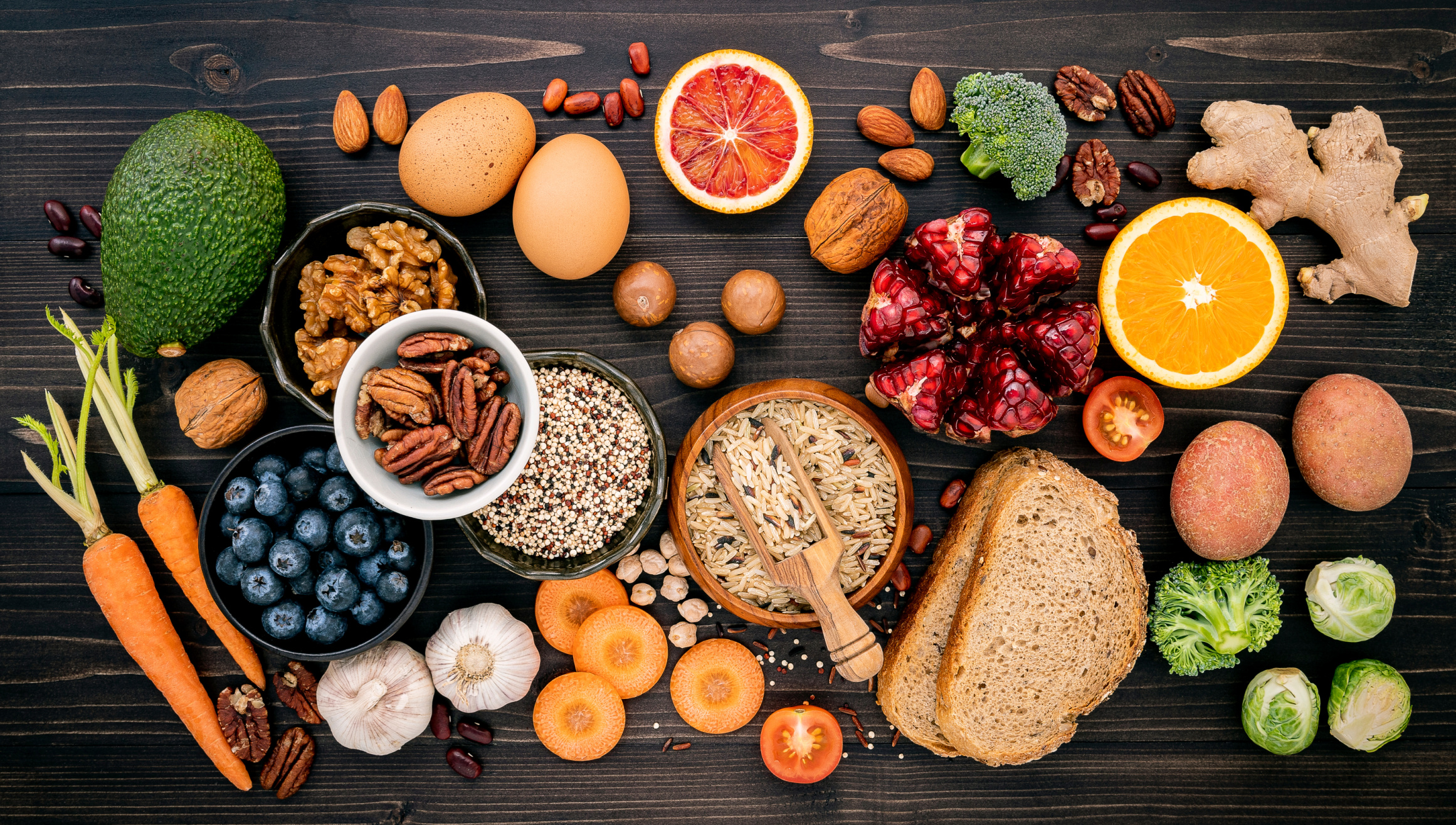
Fiber isn’t glamorous, but it’s powerful. As a plant-based carbohydrate that the body can’t digest, it plays a key role in digestive health, blood sugar stability, and cholesterol reduction. Dietitians note that fiber comes in two forms: soluble fiber—found in apples, oats, and beans—which dissolves in water and feeds beneficial gut bacteria, and insoluble fiber—found in whole grains and nuts—which keeps food moving through the digestive tract.
Research shows fiber increases fullness, supports healthy weight loss, and may lower the risk of heart disease, diabetes, and colon cancer.
Why Demand Is Growing
Experts say interest in GLP-1 weight-loss drugs may be fueling fiber’s rise. Because these medications slow digestion, fiber helps prevent common side effects like constipation. Yet despite the enthusiasm, most Americans still fall short—getting only about two-thirds of the recommended daily amount.
Nutritionists caution consumers not to rely too heavily on fiber-fortified processed foods. Long-term health benefits have been linked primarily to whole foods such as fruits, vegetables, whole grains, beans, and nuts.
Smart Ways to Add Fiber
The Mayo Clinic recommends fiber-rich cereals, whole-grain breads, and five or more servings of fruits and vegetables daily. Gradually increasing fiber intake—paired with plenty of water—can help avoid digestive discomfort.
RECENT

Smullen Pushes Plan to Cure Rural Care Gaps
Health & Wellness

Forecast Flags $5.4 Billion Deficit as Minnesota Falls Behind
Economy

Public Pensions and Crypto: Indiana Weighs ETF Expansion
Crypto

Americans for Prosperity-NC Sets the Stage for 2026 With Key Endorsements
In The States

St. Nicholas, the First Santa
Legends of the American Spirit

SNAP Standoff Could Hit Arizona Families
Food

The Forgotten First White House Christmas Tree
Did You Know?

Burns to Class of 2025: Community Is Georgia’s Greatest Strength
Good News

Merry Weekend Moments
Dating

Kentucky Senate Leaders Set Course for 2026
In The States
BE THE FIRST TO KNOW
Want to stay in the loop? Be the first to know! Sign up for our newsletter and get the latest stories, updates, and insider news delivered straight to your inbox.

More Content By
Think American News StaffSmullen Pushes Plan to Cure Rural Care Gaps
Health & Wellness
Forecast Flags $5.4 Billion Deficit as Minnesota Falls Behind
Economy
Public Pensions and Crypto: Indiana Weighs ETF Expansion
Crypto
Americans for Prosperity-NC Sets the Stage for 2026 With Key Endorsements
In The States
St. Nicholas, the First Santa
Legends of the American Spirit
SNAP Standoff Could Hit Arizona Families
Food
The Forgotten First White House Christmas Tree
Did You Know?
Burns to Class of 2025: Community Is Georgia’s Greatest Strength
Good News
Merry Weekend Moments
Dating
Kentucky Senate Leaders Set Course for 2026
In The States
View All Content By Think American News Staff