
Adobe Stock/Andrey Popov

Researchers are studying whether CAR-T therapy — a treatment already used in certain cancers — could help slow or even halt the progression of MS.
How CAR-T Therapy Works
CAR-T therapy involves taking a patient’s own immune cells, modifying them in a lab, and reintroducing them into the body to target specific harmful cells.
Originally designed to fight cancers like leukemia and lymphoma, the therapy trains T cells to attack problematic B cells — a type of immune cell also linked to MS.
In MS, these B cells mistakenly attack myelin, the protective layer around nerve fibers, disrupting communication in the brain and nervous system.
Why It Could Be a Game-Changer
One of the biggest challenges in treating MS is reaching harmful immune cells located in the brain and central nervous system.
Experts believe CAR-T therapy may succeed where existing treatments fall short by targeting these hidden cells more effectively.
Early trials, including research at the Cleveland Clinic, are exploring whether this approach can reduce inflammation and slow disease progression.
Early Trials Show Promise — But Questions Remain
So far, studies are small and in early stages. Researchers emphasize that it’s too soon to know whether the therapy will be widely effective or safe for long-term use in MS patients.
Clinical trials are also underway at major institutions across the U.S., including Stanford University, Massachusetts General Hospital, and Columbia University.
Still, the fact that CAR-T therapy has already been used successfully in cancer treatment gives researchers a strong starting point.
A New Frontier in Autoimmune Treatment
For patients like Grace Miller, who have lived with MS for years and faced declining mobility and vision challenges, experimental treatments like CAR-T represent a potential turning point.
RECENT
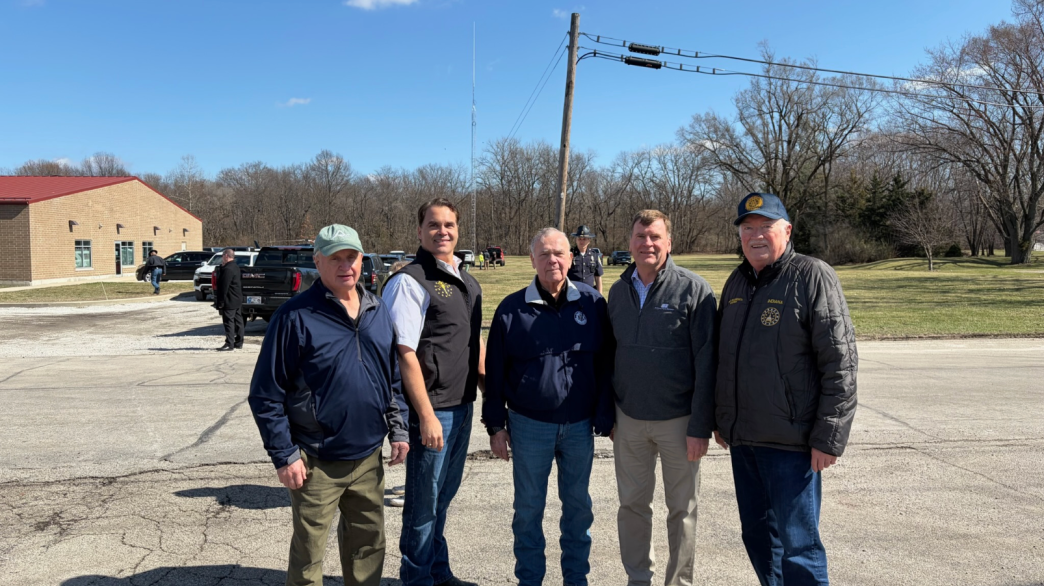
Leaders Survey Indiana Damage
In The States

Arizona Targets Youth Nicotine Sales
Health & Wellness

Corned Beef and Submarines? The Other March 17 Holidays
Holidays

Lee Newton Debuts Acoustic “Your Hat”
Entertainment

Kentucky Mourns Air Force Tech. Sgt. Ashley B. Pruitt
In The States

Bail Reform Proposal Advances in Indiana Legislature
In The States

JFK and the Rise of Irish America
Legends of the American Spirit

Kentucky Senate Leader Pushes Back on Veto
Education

The History of St. Patrick’s Day Begins with One Man
Did You Know?

Green Rivers and Weekend Celebrations ☘️
Dating
BE THE FIRST TO KNOW
Want to stay in the loop? Be the first to know! Sign up for our newsletter and get the latest stories, updates, and insider news delivered straight to your inbox.

More Content By
Think American News StaffLeaders Survey Indiana Damage
In The States
Arizona Targets Youth Nicotine Sales
Health & Wellness
Lee Newton Debuts Acoustic “Your Hat”
Entertainment
Kentucky Mourns Air Force Tech. Sgt. Ashley B. Pruitt
In The States
Bail Reform Proposal Advances in Indiana Legislature
In The States
JFK and the Rise of Irish America
Legends of the American Spirit
Kentucky Senate Leader Pushes Back on Veto
Education
The History of St. Patrick’s Day Begins with One Man
Did You Know?
Green Rivers and Weekend Celebrations ☘️
Dating

NC Leaders Form Education Commission
Education
View All Content By Think American News Staff