
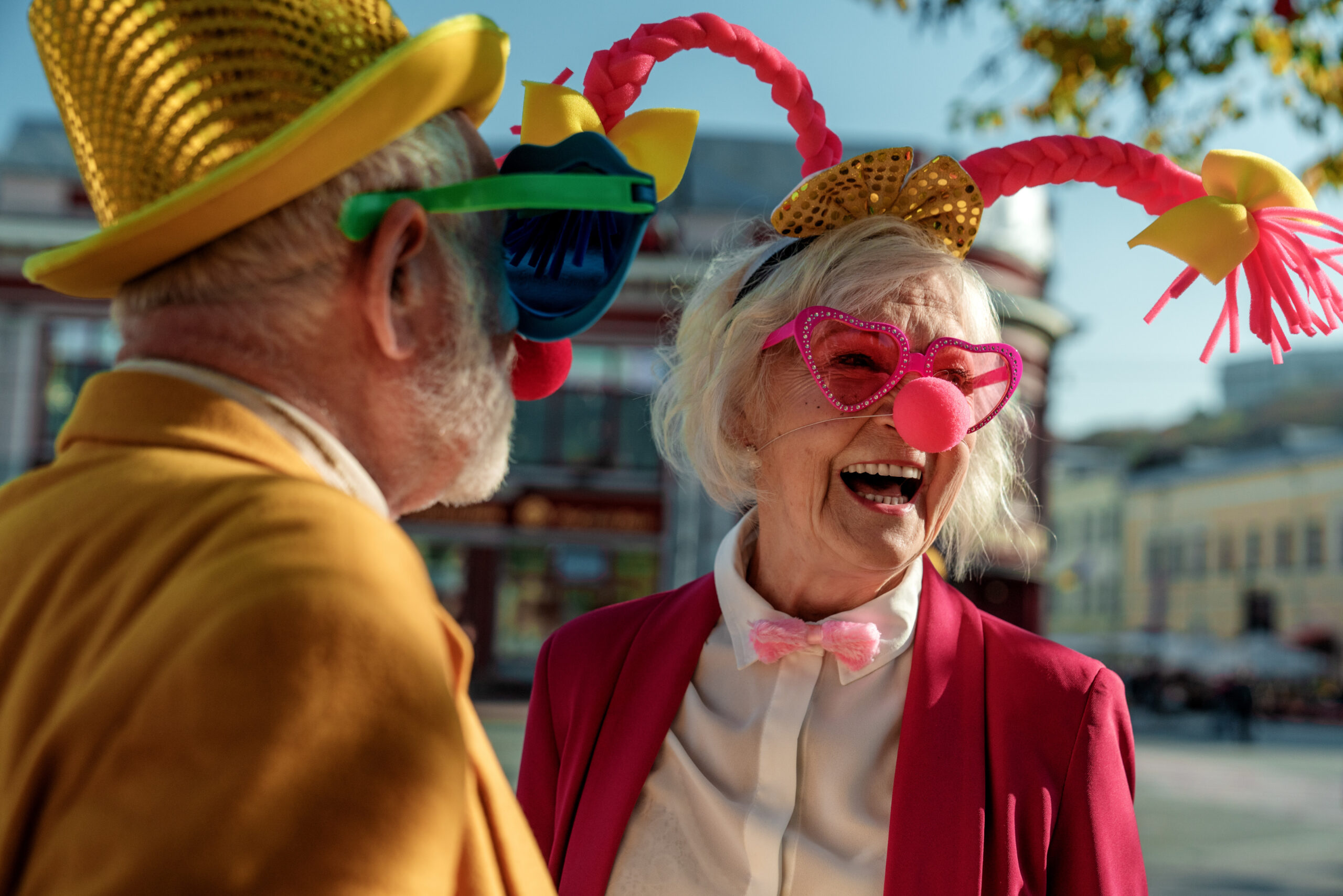
Adobe Stock/The Cheroke

Why Many People Become Happier After 60 — According to Psychology
It’s a common observation: many people seem to become more genuinely content later in life.
While younger adults often assume happiness comes after achieving certain milestones — career success, financial stability, or retirement — psychological research suggests the shift in happiness after 60 has far less to do with external circumstances.
Instead, experts say many older adults simply stop waiting for life to give them permission to feel content.
The “I’ll Be Happy When…” Trap
For many people, happiness is postponed indefinitely.
It’s easy to fall into the habit of telling ourselves: I’ll be happy when I get that promotion, when I make more money, or when things finally calm down.
But psychologists say this mindset can create a cycle where contentment is always tied to the next achievement.
According to psychologist Robyne Hanley-Dafoe, true contentment comes from learning to cultivate satisfaction in the present moment rather than relying on future accomplishments.
Many older adults eventually realize that waiting for perfect circumstances rarely leads to lasting happiness.
A Surprising Advantage of Aging
Research from the Association for Psychological Science suggests that aging itself may offer an emotional advantage.
As people grow older, their brains often become better at regulating emotions and focusing on positive experiences.
This means older adults may naturally spend less time dwelling on frustrations and more time appreciating meaningful moments.
Psychologists sometimes describe this shift as a kind of emotional wisdom — the ability to invest energy into what truly matters rather than what doesn’t.
Stronger, More Meaningful Relationships
Studies show that older adults who maintain strong relationships with family and close friends tend to report higher levels of well-being.
The difference is that many people after 60 begin prioritizing quality over quantity when it comes to social relationships.
Rather than trying to maintain large social circles, they often invest more deeply in the relationships that bring genuine meaning and support.
Changing Expectations About Life
Psychological research from the University of Kentucky suggests that happiness later in life is shaped less by what people possess and more by how they view what they already have.
This doesn’t mean abandoning goals or ambitions.
Instead, it reflects a shift in perspective — recognizing that constant comparison between what we have and what we think we should have can undermine happiness.
When that gap shrinks, contentment often grows.
Building Happiness From Within
Ultimately, many psychologists believe lasting happiness is built more from internal habits than external achievements.
Practices such as gratitude, mindfulness, meaningful relationships and purposeful work can all contribute to long-term well-being.
Experts say the key insight many people discover later in life is simple but powerful: happiness is not something that suddenly appears when circumstances are perfect.
It’s something people learn to create with the life they already have.
RECENT

Kansas Lawmakers Advance School Cell Phone Crackdown
Education

Indiana Targets Social Media Addiction Among Kids
Education

Grab Your Wife, Ralph Kramden — It’s Race Time
Bless Your Headlines
Three Silly Holidays Americans Are Celebrating on March 10
Bless Your Headlines

Wisconsin Targets Financial Exploitation
Finance

Wyze & The Tellers Release “This Ain’t That”
Entertainment

Trey Calloway Rolls Out “Truck Around”
Entertainment

The Irish Girl Who Opened Ellis Island
Culture

AJ’s Legacy Drives Road Safety in NY
Life & Death

Irish Americans Who Helped Build the United States
Did You Know?
BE THE FIRST TO KNOW
Want to stay in the loop? Be the first to know! Sign up for our newsletter and get the latest stories, updates, and insider news delivered straight to your inbox.

More Content By
Think American News StaffKansas Lawmakers Advance School Cell Phone Crackdown
Education
Indiana Targets Social Media Addiction Among Kids
Education
Wisconsin Targets Financial Exploitation
Finance
Wyze & The Tellers Release “This Ain’t That”
Entertainment
Trey Calloway Rolls Out “Truck Around”
Entertainment
The Irish Girl Who Opened Ellis Island
Culture
AJ’s Legacy Drives Road Safety in NY
Life & Death
Irish Americans Who Helped Build the United States
Did You Know?
Wisconsin Lawmaker Steps “On the Job” with Local Workers
Economy

Weekend Adventures Await
Dating
View All Content By Think American News Staff