Jan 31
Did You Know?
How Groundhog Day Became an American Tradition
Adobe Stock/SolaruS

A Small Town Tradition With Big Staying Power
Every February 2, all eyes turn to a small town in western Pennsylvania. Cameras roll, crowds gather, and a single groundhog named Punxsutawney Phil is lifted from his burrow to deliver a forecast that Americans have followed for well over a century. While the ceremony may look playful—and sometimes theatrical—it is rooted in a much older tradition that blends folklore, history, and the enduring human desire for hope in the depths of winter.
Groundhog Day is not a modern invention. Long before Phil became a household name, early settlers brought weather-prediction customs from Europe to the American colonies.
The Ancient Origins of Groundhog Day
The tradition traces back to Candlemas Day, a Christian holiday observed on February 2. In parts of Europe, Candlemas was believed to mark a turning point in winter. If the day was sunny, people believed winter would last longer; if cloudy, spring would arrive sooner.
German folklore added an animal predictor to the mix. In Europe, animals such as hedgehogs or badgers were believed to forecast the weather based on whether they saw their shadow. When German immigrants—particularly Pennsylvania Dutch settlers—arrived in America, they adapted the tradition using a local animal: the groundhog.
How Punxsutawney Became the Center of It All
The first documented Groundhog Day observance in Punxsutawney, Pennsylvania, dates back to 1887, making it one of the oldest continuously observed folk traditions in the United States. The town’s local newspaper helped formalize the event, and over time, the groundhog at the center of the ceremony was given a name: Punxsutawney Phil.
Phil became the official weather prognosticator, and the ritual evolved into an annual public event. What began as a local curiosity eventually grew into a national tradition, fueled by radio, television, and later, the internet.
The Inner Circle and the Ceremony
Punxsutawney Phil is cared for by a group known as the Inner Circle, whose members wear formal coats and top hats during the ceremony. According to tradition, only they can interpret Phil’s forecast, which is “communicated” in a symbolic language.
While the ceremony leans into whimsy, the structure behind it is carefully maintained. The ritual, the language, and even the presentation are designed to preserve continuity from year to year.
The Legend of an Immortal Groundhog
One of the most famous myths surrounding Punxsutawney Phil is that he has been alive since the 1800s. According to local legend, Phil drinks a special “elixir of life” that allows him to live indefinitely.
In reality, multiple groundhogs have filled the role over time. But the legend persists as part of the tradition’s charm, reinforcing the idea that Phil is not just an animal, but a symbol passed from generation to generation.
Why Americans Still Care
Groundhog Day endures because it offers something simple but powerful: a moment of shared anticipation. In the heart of winter—when days are short and spring feels distant—Phil’s prediction represents the possibility of change.
Whether people believe in the forecast or not, the ritual brings humor, community, and continuity. It reminds us that even in a fast-moving world, there’s value in traditions that invite us to pause, smile, and look ahead.
RECENT

Arizona Law Puts Nicotine Sellers on Notice
In The States

Did You Know? Why We Love the Smell of Rain
Did You Know?

Winston: Independents Are Reshaping the Electorate
Elections

LIVE WIRE Goes Classic
Uncategorized

Coal, Jobs and Grid Reliability Return to Center Stage in Kentucky
Energy

America’s Weekend: Music, Parades and Summer Fun
Dating

Before You Reach for the Bottle, Look to Nature First
Friday Fuel

Bipartisan Win for Mackinac
Uncategorized
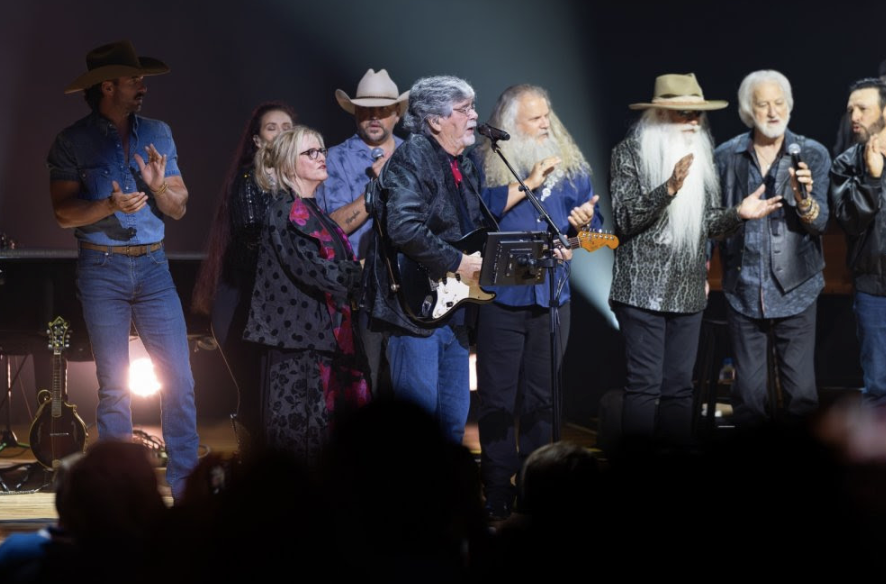
ALABAMA Legend Randy Owen Honored at Jacksonville State
Entertainment

Refresh Your Summer With Simple Wellness Habits
Health & Wellness
BE THE FIRST TO KNOW
Want to stay in the loop? Be the first to know! Sign up for our newsletter and get the latest stories, updates, and insider news delivered straight to your inbox.

More Content By
Think American News StaffArizona Law Puts Nicotine Sellers on Notice
In The States
Did You Know? Why We Love the Smell of Rain
Did You Know?
Winston: Independents Are Reshaping the Electorate
Elections
LIVE WIRE Goes Classic
Uncategorized
Coal, Jobs and Grid Reliability Return to Center Stage in Kentucky
Energy
America’s Weekend: Music, Parades and Summer Fun
Dating
Bipartisan Win for Mackinac
Uncategorized
ALABAMA Legend Randy Owen Honored at Jacksonville State
Entertainment

Arizona Bill Creates Narrow Path From Felony to Misdemeanor
In The States

Nashville Honors Donna Summer
Entertainment
View All Content By Think American News Staff