Adobe Stock/WDnet Studio
Public Safety Starts With Personal Choices
When Winter Storm Fern swept across a massive stretch of the country, it didn’t knock on the door and ask who was prepared. It arrived with ice-laced roads, widespread power outages, and a sharp reminder that public safety isn’t something reserved for emergency responders or government agencies alone. In moments like this, public safety becomes deeply personal — and unmistakably civic.
Every major winter storm reveals the same truth: preparation and response only work when individuals do their part. Plows can clear roads, utilities can restore power, and officials can issue warnings, but none of it functions as intended if people ignore conditions or take unnecessary risks. Choosing not to travel when roads are dangerous, slowing down when ice turns pavement into glass, and staying home when staying home keeps first responders from avoidable calls are all acts of civic responsibility.
Neighbor Helping Neighbor Is Civics in Action
Living Civics doesn’t end with individual restraint. It shows up most clearly in the spaces between households.
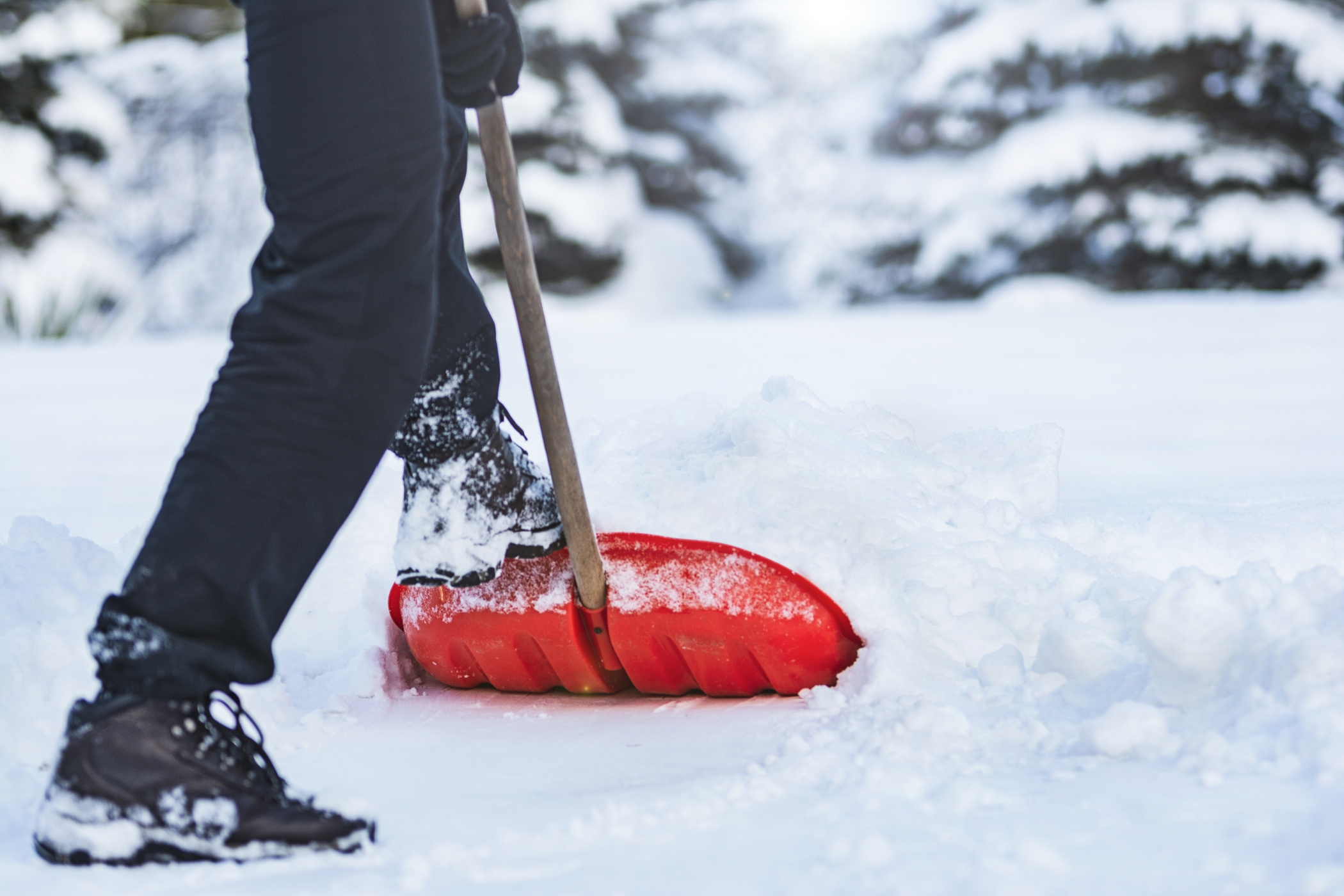
Across the country, neighbors checked on neighbors — not because they were told to, but because they understood it mattered. A quick text to an elderly woman next door. A knock on the door of a family sitting in the dark without heat. A snow shovel shared across driveways. An extension cord run quietly from one house to another. These moments rarely make headlines, but they are the backbone of public safety during storms.
This is civic engagement in its most human form. No formal plans. No press conferences. Just people recognizing that their well-being is tied to the well-being of those around them.
Why These Small Actions Matter
Winter storms don’t discriminate, but their impacts aren’t felt equally. For some households, losing power is an inconvenience. For others — older adults, people with disabilities, families living alone, or those without reliable transportation — it can quickly become dangerous. Checking in on neighbors who may need help isn’t charity. It’s shared responsibility.
Communities where people look out for one another experience fewer emergencies, faster recoveries, and less strain on already stretched resources. When neighbors help neighbors, emergency services can focus on the most critical situations, and small problems are less likely to escalate into life-threatening ones.
Information Is a Form of Public Safety
Another often-overlooked piece of public safety during storms is information. Sharing accurate updates, pointing neighbors toward warming centers, or reminding someone how to sign up for local alerts can make a real difference. In an environment where rumors and misinformation spread quickly, being a calm, informed presence is an act of service.
Living Civics includes knowing where to get reliable information and helping others navigate it — especially when stress and uncertainty are high.
The Lesson Storms Leave Behind
Winter Storm Fern will pass. Roads will reopen. Power will be restored. Life will return to its familiar pace. But storms leave behind more than snowbanks and fallen branches. They leave a snapshot of who we are when conditions are tough.
Living Civics reminds us that citizenship isn’t limited to election days or policy debates. It’s reflected in everyday choices, in awareness of others, and in a willingness to step up quietly when it matters most. Public safety isn’t only the responsibility of professionals in uniform. It belongs to all of us — in how we act, who we check on, and whether we choose community over convenience.
RECENT

Creating a Cozy Home That Supports Your Well-Being
Health & Wellness
Creating a Cozy Home That Supports Your Well-Being
Health & Wellness

5 Easy Ways to Prepare for the Next Season Before It Takes Over
Health & Wellness

Your 40s Aren’t Just About Hormones — They’re About Your Heart
Uncategorized

Wellness Benefits of Pumpkin Season
Health & Wellness
Fall Into Wellness: Creating a Healthier Autumn Routine
Health & Wellness
How to Prepare for Holiday Stress Before It Takes Over
Fitness
🇺🇸 Why the Liberty Bell Doesn’t Actually Ring Anymore
Did You Know?

A Rock Star’s Road to Redemption
Entertainment
New York Community Replaces Defaced Declaration Replica
America
BE THE FIRST TO KNOW
Want to stay in the loop? Be the first to know! Sign up for our newsletter and get the latest stories, updates, and insider news delivered straight to your inbox.

More Content By
Jessica Curtis
When Life Steals Your Song
Kindness
Fast Lane, Short Fuse
Living Civics
Honey, I Shrunk the Frogs
Animals
A Small-Town Rescue With Four Paws and a Lesson
Mans Best Friend
When Little Ears Learn Big Words
Living Civics

The Endless Loyalty and Love of a Dog
Mans Best Friend

When the Calendar Changes, Character Counts
Opinion
Appreciating the Little Moments That Make Life Beautiful
Living Civics
Remember This: The Day America’s Original 13 Became One
Opinion
Memorial Day Is Not Just a Long Weekend
America
View All Content By Jessica Curtis