Adobe Stock/sulit.photos

Sometimes Living Civics Looks Like Quiet Compassion
Living civics isn’t always loud. It doesn’t require a podium, a policy debate, or a viral moment. Often, it shows up quietly, at the most ordinary places, in the most human moments—when someone sees another person’s pain and chooses compassion over convenience.
The story is simple, but it stays with you.
A Call No One Wants to Make
Marvin Gonzalez wasn’t calling to place a celebration order. He was calling to honor his two dogs, Raven and Bruno, who were nearing the end of their lives. Old age and cancer had reached a point where love meant letting go.
For many families, pets aren’t just animals. They’re part of the rhythm of daily life. They’re there through moves, milestones, and long nights. And when that chapter closes, the grief is real.
Wanting to give Raven and Bruno one last familiar comfort, Gonzalez ordered their final meal from the local Outback Steakhouse in Sparks. He later wrote to the general manager explaining the circumstances, acknowledging how difficult the call had been and how graciously the staff handled it.
What he didn’t know—what he wouldn’t discover until later—was that one employee quietly decided to do more.
The Choice That Wasn’t Required
The employee used his daily comp to cover part of the order. Then, without saying a word to the family, he paid the remaining $34.49 out of his own pocket.
No announcement.
No expectation of thanks.
No request for recognition.
Just a choice.
Gonzalez later said he was stunned—not just that the meal was free, but that someone who didn’t know him, didn’t know his dogs, and didn’t know his family chose to step into that moment with generosity.
“This employee didn’t know me,” he told KOLO. “I don’t think this employee knows how much he made a difference.”
Why This Matters in a Living Civics Conversation
Living civics is about how we treat one another in the shared spaces of everyday life. It’s about recognizing that society isn’t held together only by laws and institutions—but by decency, empathy, and small acts of care that restore trust between strangers.
This Outback employee wasn’t obligated to act. Company policy didn’t demand it. There was no rulebook instructing him to open his wallet.
And that’s the point.
Living civics lives in the moments where character shows up without being asked.
The Power of Small, Personal Sacrifice
It’s easy to underestimate acts like this because the dollar amount is small. But the impact isn’t measured in money—it’s measured in humanity.
On a devastating day, when a family was preparing to say goodbye to two beloved companions, someone made the burden lighter. Someone acknowledged their grief without words. Someone turned a transaction into a moment of grace.
Those moments linger. They reshape how people see the world. They remind us that goodness still exists, even when life hurts.
A Culture Reflected Through One Person
Gonzalez wrote that the act “speaks volumes about the culture of your establishment.” And that’s true—but it also speaks volumes about individual choice.
Organizations matter. Culture matters. But at the end of the day, it’s people who decide how values are lived out.
One employee. One decision. One quiet reminder that compassion doesn’t need an audience.
What We Can Take With Us
Living civics asks us to pause and consider how we show up in ordinary roles—at work, in stores, on the phone, and in fleeting interactions with people we may never see again.
You don’t need to know someone’s full story to lead with your heart.
You don’t need recognition to do the right thing.
And you don’t need permission to be kind.
This employee didn’t change the family’s outcome. He didn’t stop the grief. But he changed the experience. He softened a moment that could have felt cold and transactional into one that felt human.
That matters.
And it’s something each of us can carry forward—into our workplaces, our communities, and our daily lives.
Because living civics isn’t about grand gestures.
RECENT
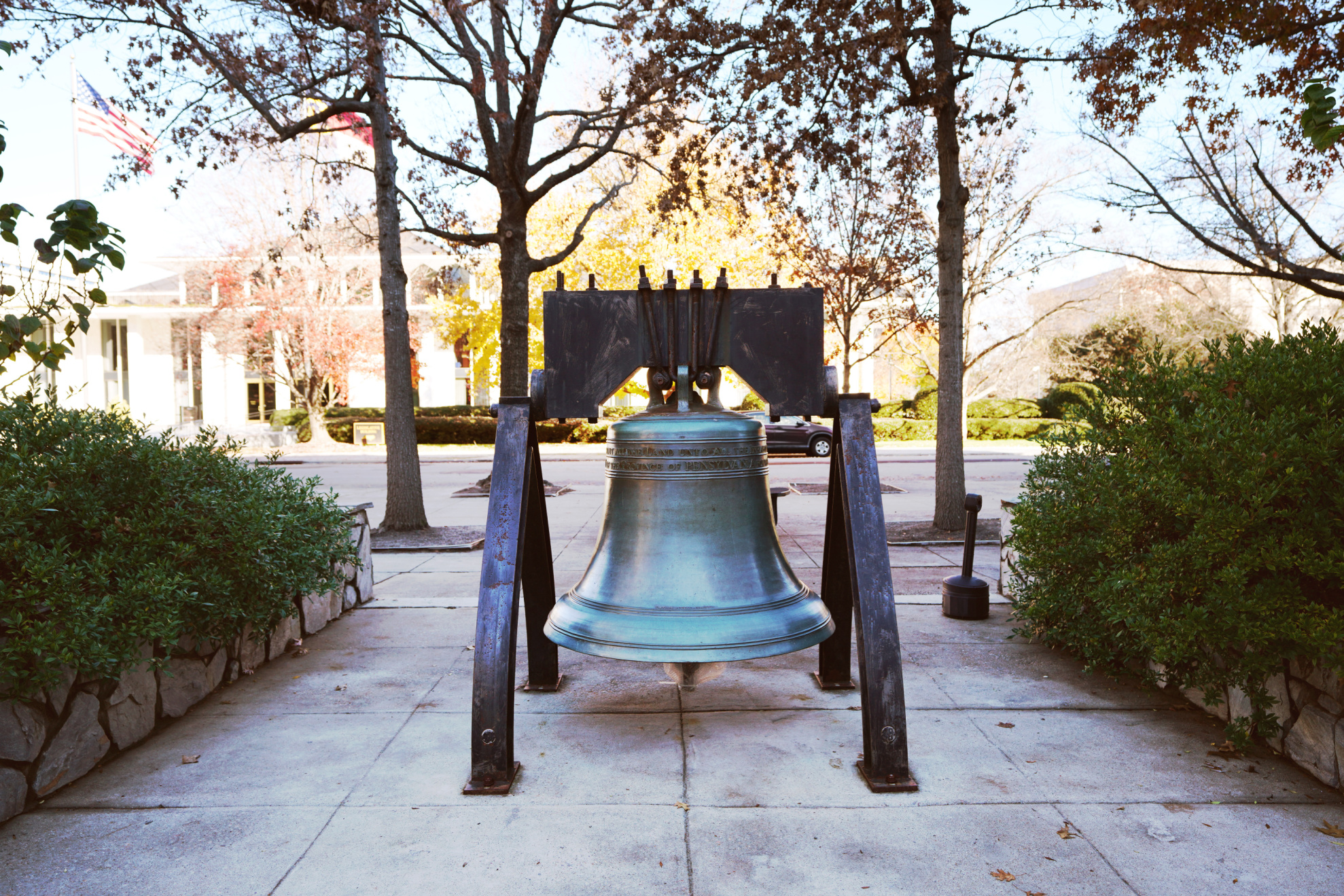
🇺🇸 Why the Liberty Bell Doesn’t Actually Ring Anymore
Did You Know?

A Rock Star’s Road to Redemption
Entertainment
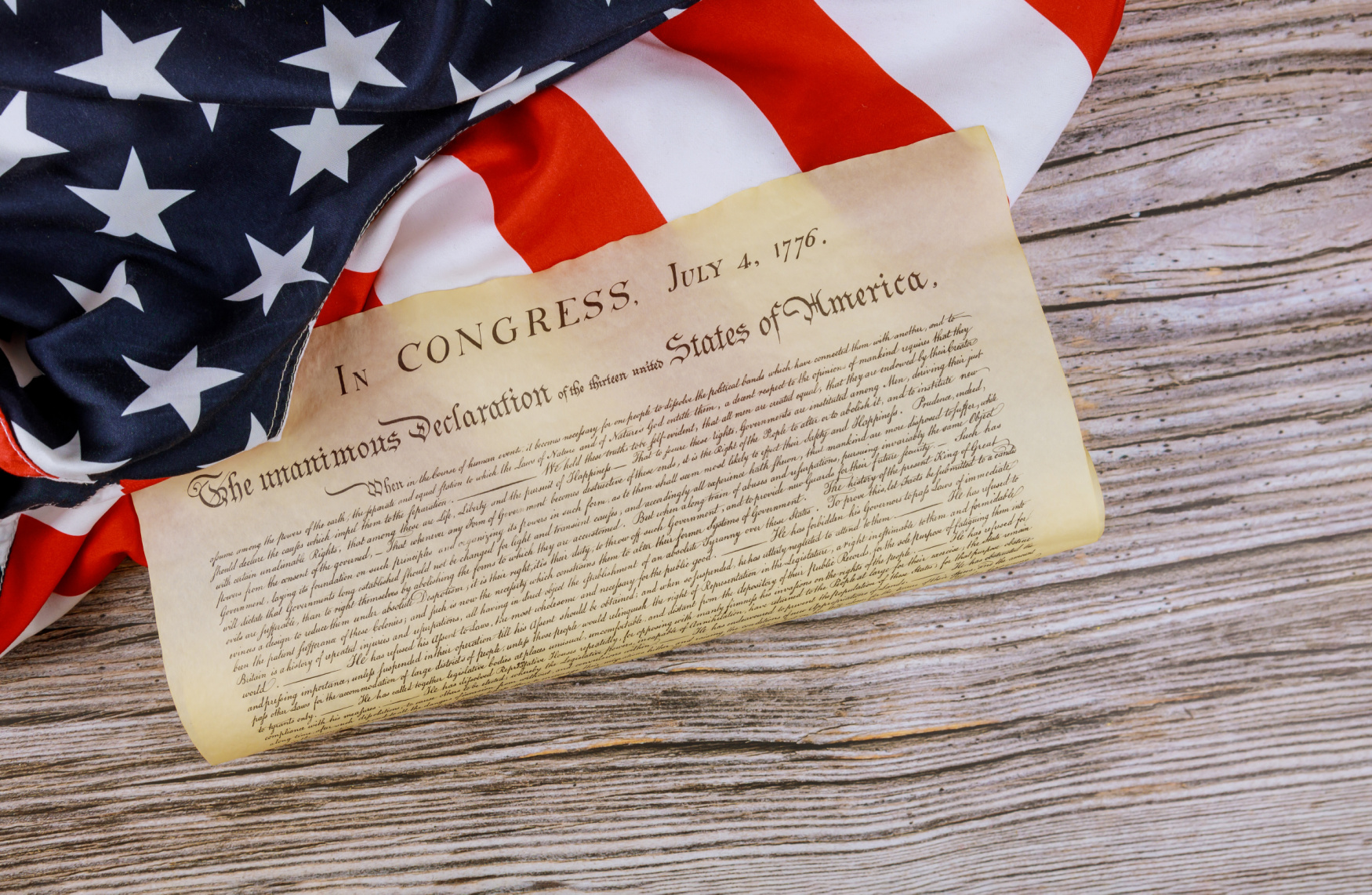
New York Community Replaces Defaced Declaration Replica
America
How Four Seconds Can Help Calm the Mind
Friday Fuel

Heather Jenkins and The Power of Intentional Rest
Health & Wellness

Kentucky Bridge Project Gets $24M Boost
American Infra

Arizona Extends Farm Water Fee Relief
In The States

Macaroni, Dive Bars and Sundaes: July 7 Gets Weird
Offbeat Observances
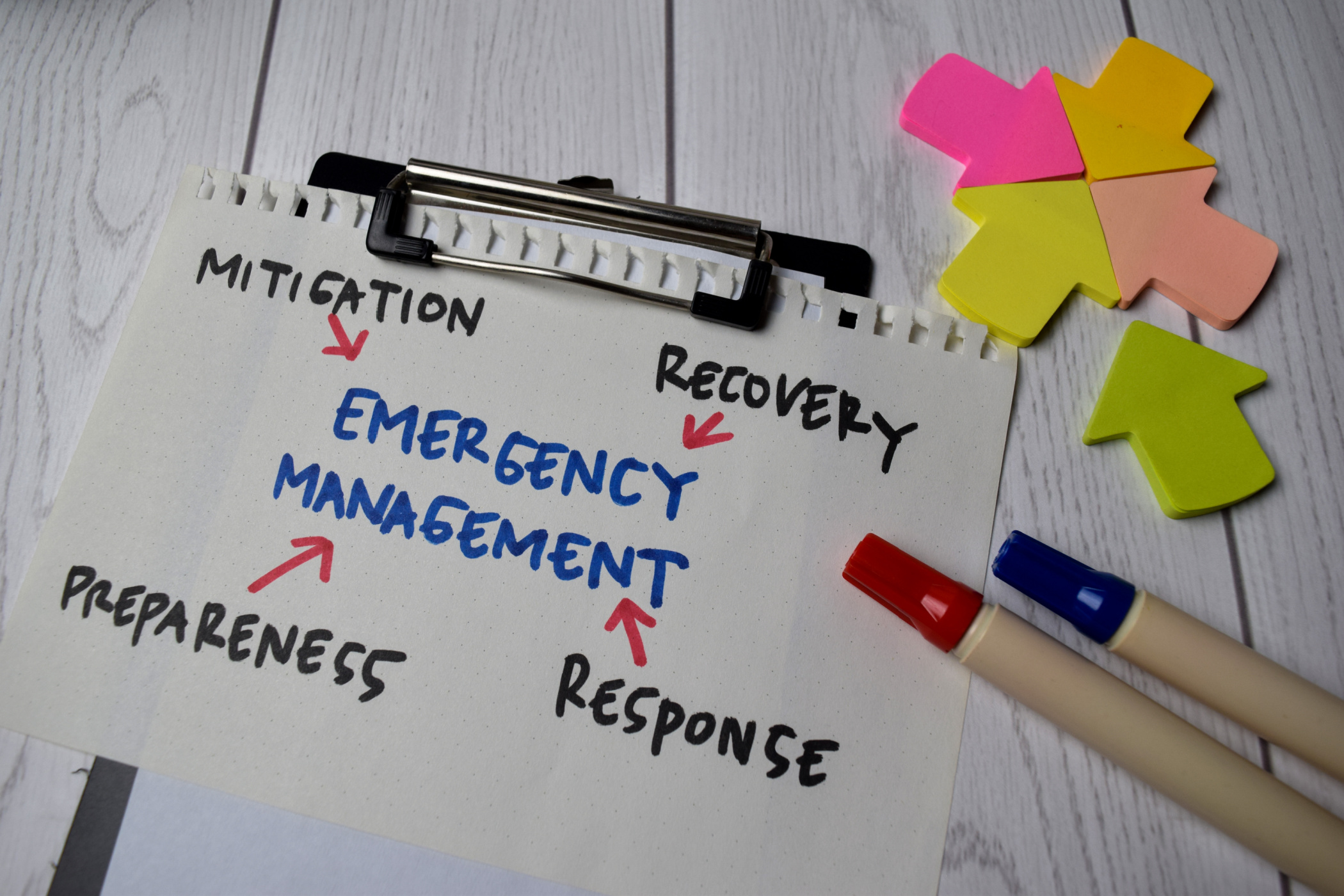
Michigan Storm Recovery Gets Bipartisan Federal Boost
In The States

Canada Says Goodbye To Country Gentleman Tommy Hunter
Entertainment
BE THE FIRST TO KNOW
Want to stay in the loop? Be the first to know! Sign up for our newsletter and get the latest stories, updates, and insider news delivered straight to your inbox.

More Content By
Jessica Curtis
Fast Lane, Short Fuse
Living Civics

Honey, I Shrunk the Frogs
Animals

A Small-Town Rescue With Four Paws and a Lesson
Mans Best Friend

When Little Ears Learn Big Words
Living Civics

The Endless Loyalty and Love of a Dog
Mans Best Friend

When the Calendar Changes, Character Counts
Opinion

Appreciating the Little Moments That Make Life Beautiful
Living Civics
Remember This: The Day America’s Original 13 Became One
Opinion

Memorial Day Is Not Just a Long Weekend
America
Trinh Ha on Freedom and Opportunity
In The States
View All Content By Jessica Curtis