Jan 07
Common Sense Corner
When We Stop Laughing, We Lose More Than the Joke
Adobe Stock/Matt Fowler KC
A Common Sense reflection on comedy, anger, and a country that desperately needs to exhale
There was a moment in recent years when comedy stopped feeling like comedy and started sounding like a group therapy session where everyone was yelling at once.
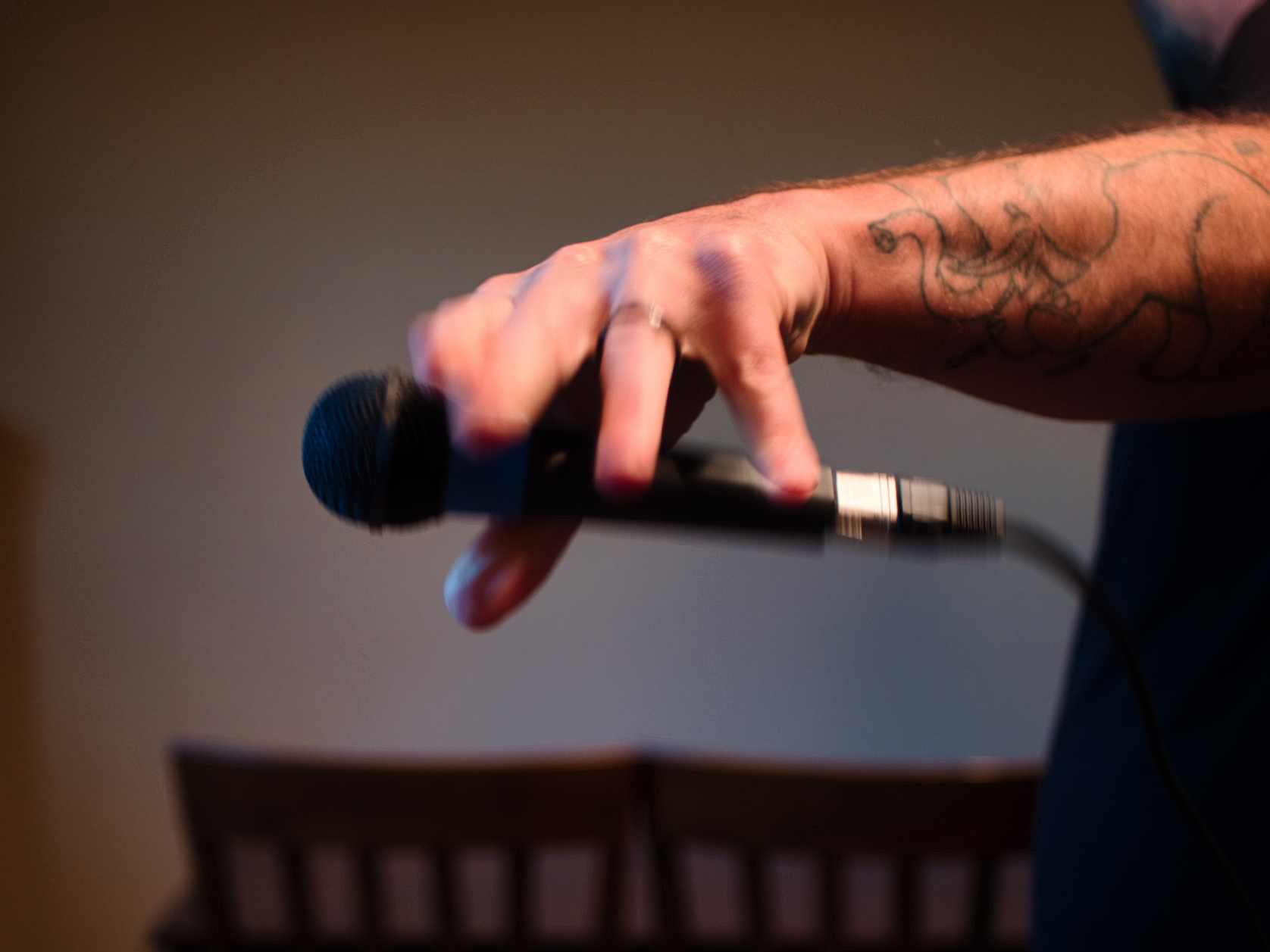
That moment is what comedian Conan O’Brien put his finger on this week when he criticized fellow comics who have reduced their entire act to shouting “F Trump” instead of, well, being funny. His point wasn’t political. It was cultural. And more importantly, it was human.
Because when laughter disappears, something far bigger fills the space — anger. And anger, unchecked and unchanneled, has a way of dividing us faster than any policy debate ever could.
Comedy Was Never Meant to Be a Weapon of Rage
Comedy has always played a role in challenging power. Court jesters survived precisely because they could say what others couldn’t — wrapped in wit, timing, and intelligence. Humor disarms. It sneaks truth into rooms that would otherwise slam the door.
But comedy that abandons humor in favor of rage loses its superpower.
As O’Brien pointed out, once comedians stop trying to be funny and start trying to be loud, they’ve already lost. Not because the subject isn’t serious — but because seriousness without levity turns into lecturing. And lecturing, no matter how righteous, rarely changes minds.
If you’re screaming, you’re not persuading. You’re performing for people who already agree with you.
Anger Is Easy. Humor Takes Work.
There’s a reason angry comedy has become so prevalent: it’s easy.
It doesn’t require nuance. It doesn’t require creativity. It doesn’t require the vulnerability that comes with risking a joke that might fall flat. Anger gives instant validation. Applause comes automatically when you insult the “right” person in the “right” room.
But humor? Real humor? That takes effort. It requires stepping back, seeing absurdity on all sides, and finding something universally human in a situation — even one that’s deeply political.
And that’s the part we’re losing.
When Politics Becomes Our Entire Personality
Somewhere along the way, we allowed politics to replace hobbies, humor, and even basic curiosity about people who think differently than we do. Every interaction became a test. Every joke became a loyalty check.
Are you laughing with me — or at me?
Are you on my side — or the enemy’s?
That mindset is exhausting. And worse, it’s corrosive.
If we can’t laugh at ourselves, we shouldn’t be trusted with power — cultural or political. Laughter is a pressure valve. It keeps disagreement from turning into dehumanization.
When we remove humor from public life, everything becomes heavier, sharper, and more brittle. And brittle things break.
Why This Matters Beyond Comedy Clubs
This isn’t just about comedians or late-night monologues. It’s about how we interact with one another at dinner tables, on social media, and in everyday life.
When politics invades every space — including the places meant for joy — people retreat. They stop talking. They stop listening. They stop seeing one another as neighbors and start seeing caricatures instead.
That’s when division becomes permanent.
Comedy, at its best, reminds us that no matter how powerful someone is, they’re still human — flawed, ridiculous, and sometimes laughably absurd. It reminds us not to take ourselves quite so seriously. And in doing so, it keeps us connected.
We Don’t Have to Agree to Laugh Together
Here’s the quiet truth no algorithm wants to promote: laughter doesn’t require agreement.
You can laugh with someone you disagree with. You can enjoy a joke without endorsing a worldview. You can separate a punchline from a platform.
But that requires maturity — something our culture is in short supply of lately.
Common sense tells us that if everything is treated like a five-alarm fire, people eventually tune out the alarm. Humor resets the system. It allows people to breathe, to stay engaged, and to remain open.
Choosing Joy Is an Act of Civic Responsibility
In a divided country, choosing laughter isn’t escapism — it’s stewardship.
It says: I refuse to let anger define my identity.
It says: I believe we can disagree without despising one another.
It says: I value connection more than outrage.
We don’t need comedians to stop talking about politics. We need them — and all of us — to remember that humor is meant to illuminate, not incinerate.
Because if we lose our ability to laugh together, politics won’t be what divides us.
It will simply finish the job.
RECENT

From Bonnaroo to Route 66: America’s Weekend Lineup
Dating

Heather Jenkins: Backyard BBQ Favorites Get a Healthier Twist
Health & Wellness

Passing the Torch to New Dog Owners
Mans Best Friend

Transformation Isn’t Hard—Staying Comfortable Is
Friday Fuel

Arizona Law Puts Nicotine Sellers on Notice
In The States

Did You Know? Why We Love the Smell of Rain
Did You Know?
Winston: Independents Are Reshaping the Electorate
Elections

LIVE WIRE Goes Classic
Uncategorized

Coal, Jobs and Grid Reliability Return to Center Stage in Kentucky
Energy
America’s Weekend: Music, Parades and Summer Fun
Dating
BE THE FIRST TO KNOW
Want to stay in the loop? Be the first to know! Sign up for our newsletter and get the latest stories, updates, and insider news delivered straight to your inbox.

More Content By
Jessica Curtis
When the Calendar Changes, Character Counts
Opinion

Appreciating the Little Moments That Make Life Beautiful
Living Civics
Remember This: The Day America’s Original 13 Became One
Opinion

Memorial Day Is Not Just a Long Weekend
America
Trinh Ha on Freedom and Opportunity
In The States

It All Goes By in a Blink
Living Civics

Sometimes the Blessing Is What Didn’t Happen
Living Civics
The Disappearing Art of Accountability
Common Sense Corner

Why the Strongest Foundations Start at Home
Family

What Our Dogs Teach Us About Loyalty in a Disposable World
Animals
View All Content By Jessica Curtis