Adobe Stock/weyo
New York State Senator Joseph Griffo is urging Governor Kathy Hochul to veto legislation that would eliminate the state’s long-standing “100-foot rule” for natural gas service, warning that the change could significantly increase housing costs, strain energy reliability, and accelerate a transition the state may not be prepared to sustain.
In a formal letter sent to the governor, Griffo called on Hochul to reject Senate Bill S.8417 and Assembly Bill A.8888, which would shift the cost of new natural gas service connections from utilities to homeowners, renters, and businesses. The senator framed the issue as one rooted in affordability, public safety, and infrastructure readiness—particularly as New Yorkers continue to face rising living costs and winter energy demands.
What the 100-Foot Rule Does
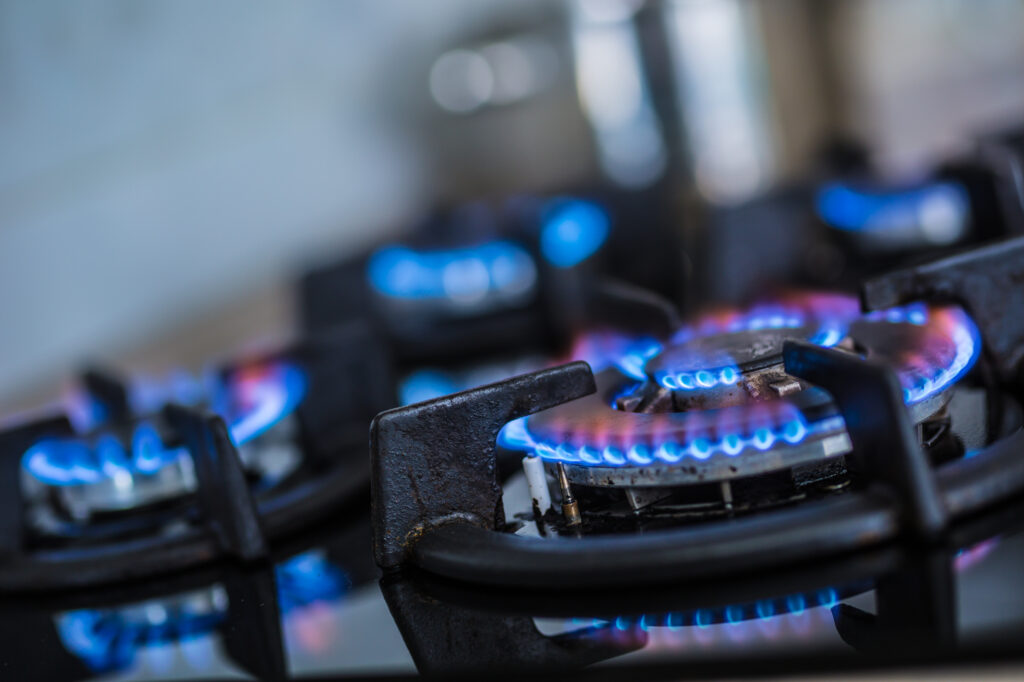
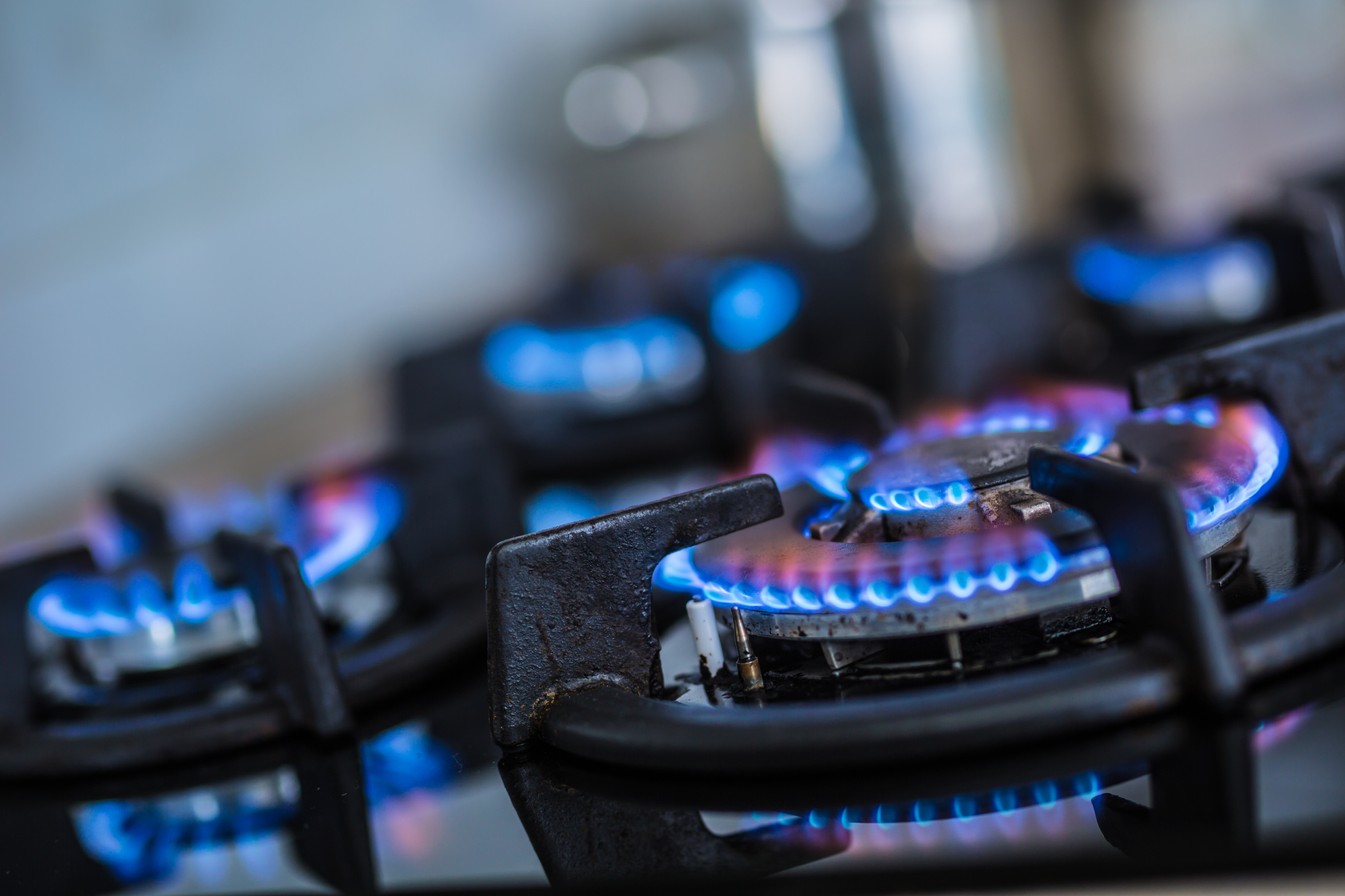
Under current New York policy, the “100-foot rule” requires utility companies to cover the cost of extending natural gas service lines up to 100 feet from an existing main to new residential or commercial buildings. This approach has historically helped control upfront construction costs and expand access to natural gas service in developing areas.
If the legislation is signed into law, those costs would instead be passed directly to consumers. According to Griffo’s letter, new connection expenses could range from $2,500 to $10,000 per building, placing additional financial pressure on homeowners, builders, and renters already grappling with high housing and energy costs.
Affordability and Housing Cost Concerns
Griffo emphasized that nearly 60 percent of households statewide rely on natural gas as their primary energy source and that, in many new housing developments, gas remains the most cost-effective option—particularly as electricity rates continue to rise.
He argued that eliminating one of the few remaining mechanisms that helps keep construction and energy costs in check would be counterproductive during an ongoing affordability crisis. Shifting these infrastructure costs to consumers, he wrote, risks making new housing more expensive at a time when policymakers across the political spectrum are focused on expanding access to affordable housing.
The issue has drawn broader attention within the New York State Senate, where Republican lawmakers have similarly urged the governor to veto the measure, citing compounding cost pressures already facing developers and homebuyers.
Energy Reliability and Public Safety
Beyond cost concerns, Griffo pointed to public safety considerations tied to energy reliability, particularly during extreme winter weather. In his letter, he referenced the deadly 2022 Buffalo blizzard, noting that many homes were able to retain heat through natural gas service even when electric systems were compromised.
He also highlighted the harsh winter conditions frequently experienced in Central New York and the Mohawk Valley, warning that cutting access to natural gas during peak winter months could put households at risk. With winter arriving early and intensely once again this year, Griffo argued that limiting access to a dependable energy source would be especially damaging.
Grid Capacity and Electrification Warnings
The senator also cited concerns raised by the New York Independent System Operator, which has warned about tight electric capacity margins and the risks associated with rapid electrification without sufficient generation or storage infrastructure in place.
According to Griffo, eliminating the 100-foot rule could accelerate reliance on an already overburdened electric grid, increasing the risk of blackouts, higher energy costs, and grid instability. He cautioned that pushing more customers toward electric heating before the system is ready could undermine reliability rather than advance sustainability goals.
Balancing Clean Energy Goals With Practicality
While expressing support for New York’s broader clean energy objectives, Griffo argued that the path forward must be practical, affordable, and reliable. He called for a diverse energy portfolio that protects consumers and preserves energy choice, rather than policies that restrict options or disproportionately impact working families.
Griffo acknowledged recent steps by the governor to pause certain energy initiatives, describing them as welcome. However, he maintained that a full reversal of what he views as harmful policies is ultimately necessary to protect affordability and energy security across the state.
Awaiting the Governor’s Decision
As Governor Hochul weighs whether to sign or veto S.8417/A.8888, the debate underscores broader national questions surrounding energy transitions, infrastructure readiness, and cost burdens on consumers. For Griffo and other critics of the bill, preserving the 100-foot rule represents a safeguard against rising costs and reliability risks at a time when many households are already stretched thin.
RECENT

Creating a Cozy Home That Supports Your Well-Being
Health & Wellness

5 Easy Ways to Prepare for the Next Season Before It Takes Over
Health & Wellness

Your 40s Aren’t Just About Hormones — They’re About Your Heart
Uncategorized

Wellness Benefits of Pumpkin Season
Health & Wellness

Fall Into Wellness: Creating a Healthier Autumn Routine
Health & Wellness

How to Prepare for Holiday Stress Before It Takes Over
Fitness
🇺🇸 Why the Liberty Bell Doesn’t Actually Ring Anymore
Did You Know?

A Rock Star’s Road to Redemption
Entertainment
New York Community Replaces Defaced Declaration Replica
America

How Four Seconds Can Help Calm the Mind
Friday Fuel
BE THE FIRST TO KNOW
Want to stay in the loop? Be the first to know! Sign up for our newsletter and get the latest stories, updates, and insider news delivered straight to your inbox.

More Content By
Think American News Staff🇺🇸 Why the Liberty Bell Doesn’t Actually Ring Anymore
Did You Know?
A Rock Star’s Road to Redemption
Entertainment
New York Community Replaces Defaced Declaration Replica
America

Kentucky Bridge Project Gets $24M Boost
American Infra
Arizona Extends Farm Water Fee Relief
In The States
Michigan Storm Recovery Gets Bipartisan Federal Boost
In The States

Canada Says Goodbye To Country Gentleman Tommy Hunter
Entertainment
PA Lawmakers Focus on Energy
Energy

John Adams Saw America’s Future Before Anyone Else
America
The Revolutionary Ideas Behind July 4
Did You Know?
View All Content By Think American News Staff