
Dec 08
Health & Wellness
Smullen Pushes Plan to Cure Rural Care Gaps
Adobe Stock/MQ-Illustrations/stock.adobe.com
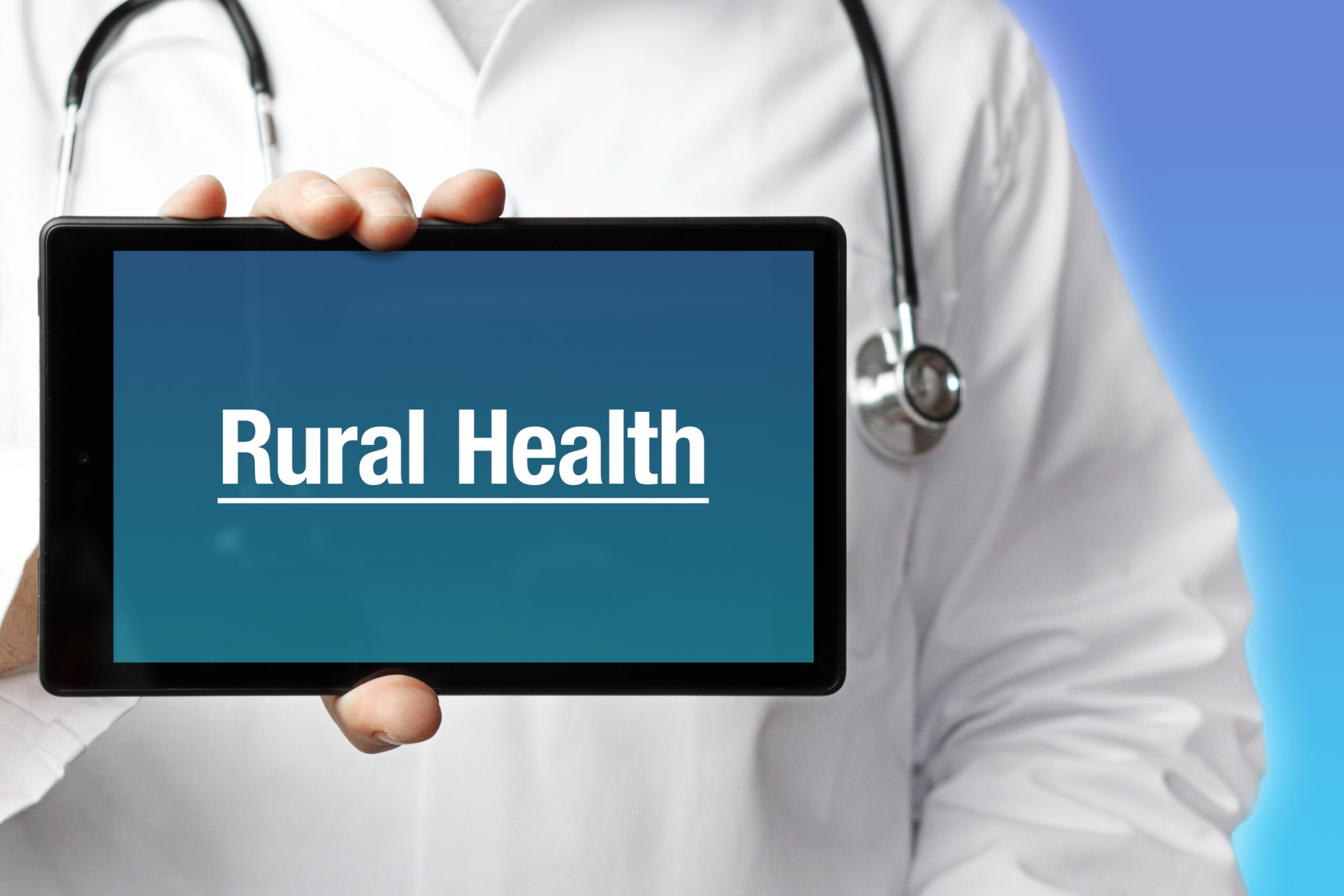
Assemblyman Robert Smullen is putting a spotlight on a crisis that many rural New Yorkers already know too well: finding a doctor, dentist, or therapist can mean driving hours, waiting months—or going without care entirely. His new proposal aims to change that by expanding access and improving affordability across some of the most underserved communities in the state.
A Growing Health Care Gap in Rural New York
In August 2025, the Office of the New York State Comptroller released a detailed report on health professional shortages in 16 rural counties. Those counties are home to just 3.8% of New York’s population, but cover more than one-third of the state’s land area. That geographic reality alone makes health care access difficult. The workforce numbers make it worse.
On average, these 16 rural counties have only four primary care physicians for every 10,000 residents—a ratio that is less than half of both the statewide and national averages. In some specialties, the gaps are even more alarming:
- Pediatricians: 0.5 per 10,000 people—less than one-fifth of the statewide ratio, and three counties have no pediatricians at all.
- OB-GYNs: Just 0.4 per 10,000 people—roughly one OB-GYN for every 23,000 residents, with four counties having none.
- Dentists: Rural dentist-to-population ratios are less than half of the statewide figure, and Hamilton County has no dentists at all.
- Mental health practitioners: Rural ratios are less than half of the statewide level, and all 16 counties are designated mental health shortage areas.
These are not edge-case statistics—they describe everyday reality for families who may need to cross multiple counties for prenatal care, basic dental work, or a counseling appointment.
A Rural Reality With National Parallels
Smullen’s district in the Mohawk Valley and Adirondacks sits right in the middle of this challenge, but the forces at work are familiar across rural America: aging populations, shrinking labor pools, limited public transportation, and a medical workforce pulled toward larger urban systems that can offer higher pay and more support.
The Comptroller’s report underscores that many of the affected areas are officially designated Health Professional Shortage Areas by federal authorities. That means shortages aren’t just inconvenient—they’re severe enough to trigger national concern and targeted federal programs.
“The statistics showcase a staggering lack of health care access for New Yorkers living in rural areas of the state, which is unacceptable,” Smullen said. “There is a clear and present need for us to address this urgent and growing problem on a statewide scale.”
Smullen’s Proposal: Three Pillars of Reform
In response, Smullen is introducing a proposal built around three core strategies designed to rebuild the rural health workforce while making care more affordable for patients and sustainable for providers:
- Improving telehealth reimbursement rates.
- Providing loan relief for health care professionals who practice in rural shortage areas.
- Creating tax credits to encourage providers to open or sustain practices in those communities.
Taken together, the plan seeks to make rural practice more attractive for doctors, dentists, mental health practitioners and other clinicians, while giving patients more options to get care close to home.
Telehealth as a Practical Lifeline
Telehealth surged during and after the pandemic, especially in areas where broadband infrastructure is strong enough to support video visits. For rural patients, virtual care can mean avoiding long drives on winter roads, missing fewer work hours, and getting quicker follow-ups for chronic conditions or mental health needs.
But as Smullen points out, telehealth’s promise is limited if providers are not paid fairly for those services. His proposal calls for higher reimbursement rates and parity between in-person and virtual visits, so remote care isn’t treated as a second-class option.
Loan Relief to Counter Big-City Pull
Medical, dental, and mental health training routinely leaves graduates with six-figure debt. Urban and suburban systems often have the advantage in recruiting those new professionals, offering higher salaries, robust peer support, and advanced facilities.
Smullen’s proposal would use targeted loan relief to pull some of that talent toward rural communities. Under his plan, physicians, dentists, mental health practitioners and other clinicians who commit to practice in shortage areas would be eligible for loan assistance. That approach mirrors successful strategies used in federal and state programs elsewhere, but is tailored to the severity of New York’s rural shortages.
The goal is straightforward: make it financially realistic—and attractive—for young professionals to build their careers in places that desperately need them.
Tax Credits to Keep Rural Practices Open
Even when a rural community has a willing provider, keeping a small practice afloat can be difficult. Lower patient volumes, higher overhead per visit, and limited support staff all squeeze margins.
To help offset those pressures, Smullen is proposing tax credits for providers who open or maintain practices in underserved rural areas. Those credits are designed to help independent offices and clinics survive and grow, rather than consolidating care even further into distant population centers.
By easing the financial burden on small practices, the proposal aims to stabilize local access points and prevent communities from losing the last doctor, dentist, or counselor they have.
“A Matter of Rural Equity”
Smullen frames his proposal in terms of fairness.
“Addressing these affordability and access issues is essential and is a matter of rural equity,” he said.
For rural New Yorkers, equity means more than statistics—it means whether a pregnant mother can find prenatal care nearby, whether a child can see a pediatrician without missing an entire day of school and work, and whether a neighbor in crisis can access mental health support before it’s too late.
While Smullen’s proposal is specific to New York, the problems he is tackling are widely shared across rural America. If enacted, his plan could offer a roadmap for other states confronting the same stark reality: without new incentives and smarter policy, the doctor, dentist, or therapist many rural families need will remain out of reach—both geographically and financially.
RECENT

Creating a Cozy Home That Supports Your Well-Being
Health & Wellness

Creating a Cozy Home That Supports Your Well-Being
Health & Wellness

5 Easy Ways to Prepare for the Next Season Before It Takes Over
Health & Wellness

Your 40s Aren’t Just About Hormones — They’re About Your Heart
Uncategorized

Wellness Benefits of Pumpkin Season
Health & Wellness

Fall Into Wellness: Creating a Healthier Autumn Routine
Health & Wellness

How to Prepare for Holiday Stress Before It Takes Over
Fitness
🇺🇸 Why the Liberty Bell Doesn’t Actually Ring Anymore
Did You Know?

A Rock Star’s Road to Redemption
Entertainment
New York Community Replaces Defaced Declaration Replica
America
BE THE FIRST TO KNOW
Want to stay in the loop? Be the first to know! Sign up for our newsletter and get the latest stories, updates, and insider news delivered straight to your inbox.

More Content By
Think American News Staff🇺🇸 Why the Liberty Bell Doesn’t Actually Ring Anymore
Did You Know?
A Rock Star’s Road to Redemption
Entertainment
New York Community Replaces Defaced Declaration Replica
America

Kentucky Bridge Project Gets $24M Boost
American Infra

Arizona Extends Farm Water Fee Relief
In The States
Michigan Storm Recovery Gets Bipartisan Federal Boost
In The States

Canada Says Goodbye To Country Gentleman Tommy Hunter
Entertainment
PA Lawmakers Focus on Energy
Energy

John Adams Saw America’s Future Before Anyone Else
America
The Revolutionary Ideas Behind July 4
Did You Know?
View All Content By Think American News Staff