Adobe Stock/auseklis/stock.adobe.com
Extreme Weather No Longer “Once in a While”
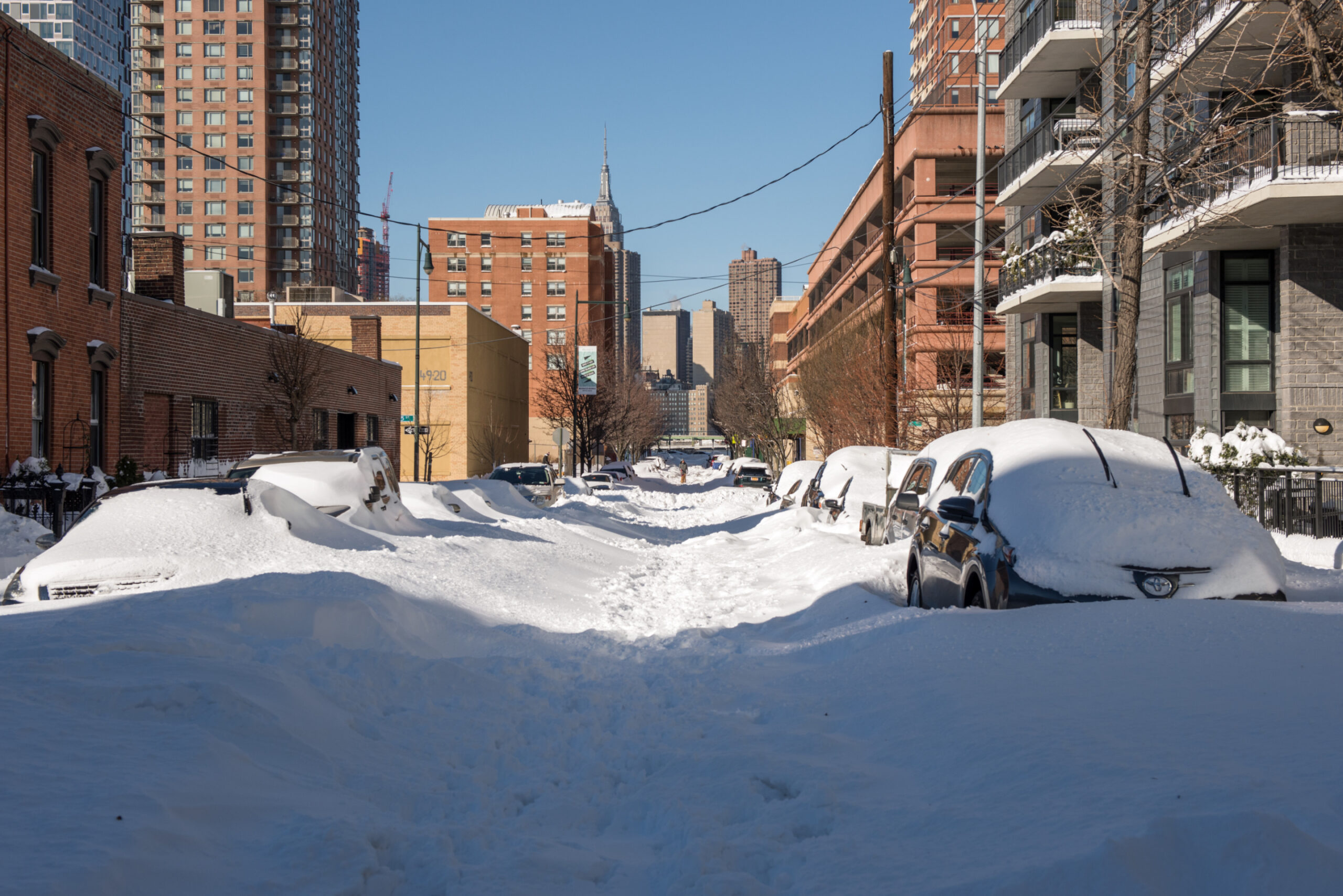
New Yorkers have always endured tough weather, but what once felt like a rare, once-in-a-generation storm now arrives with troubling regularity. A recent report from State Comptroller Thomas P. DiNapoli details how often severe weather is striking, how deeply it affects communities, and why stronger resilience efforts — backed by both federal and state support — are no longer optional, but essential.
Drawing on state and federal climate and disaster-response data, the report finds that major weather disasters are coming faster and causing increasingly severe damage. Nationwide, billion-dollar weather events used to be spaced months apart; now, they come several times each season. New York has felt that shift. Since 1998, the state has averaged roughly 2.5 federally declared disasters or emergencies per year, with annual aid approaching $1 billion — an amount that still covers only a fraction of the true financial and emotional costs borne by families, businesses and municipalities.
The Human Cost Behind the Damage
Behind the dollar figures are people whose lives have been disrupted or devastated. From 1996 through 2024, New York recorded nearly 600 weather-related deaths. Extreme heat was the deadliest culprit, followed by rip currents and flash flooding. These tragedies reflect everything from commuters trapped in flooded roadways to residents forced from their homes during winter storms.
At the same time, the number of severe weather events documented in New York continues to rise. Thunderstorm winds, hail, flash floods, winter storms and lake-effect snow have produced thousands of recorded events across the state in recent decades, with several of the highest-activity years occurring since 2019.
Certain regions have borne the brunt. Suffolk County led the state in the number of severe weather incidents, followed by counties across the Hudson Valley, Mohawk Valley and North Country. Flash flooding alone has driven billions of dollars in property damage, and long-term insurance trends show a steady increase in payouts related to severe storms, especially along Long Island.
What the Bond Act Can — and Can’t — Do
New Yorkers have already approved major climate investments. The Clean Water, Clean Air and Green Jobs Environmental Bond Act provided $4 billion for infrastructure upgrades, flood-mitigation projects, wetland restoration and the relocation of buildings and infrastructure out of high-risk flood zones. More than $100 million in projects has already been awarded.
These efforts help reduce future damages, but DiNapoli’s report makes clear that the cost of extreme weather is too great for the state to shoulder alone. Without a strong, consistent federal role in both recovery and resilience funding, local governments may struggle to protect their communities from escalating climate-driven threats.
A Targeted Push for Central New York
Lawmakers are also looking to address gaps they see on the ground. Senator Joseph Griffo and Assemblywoman Marianne Buttenschon are spearheading a substantial new legislative effort aimed at helping communities in Central New York and the Mohawk Valley recover from destructive storms and prepare for those still to come.
Think American News first covered this legislation several months ago, when the lawmakers introduced S.7761/A.8780 alongside local leaders in Rome and Oneida County. At that time, the focus was squarely on the real and immediate needs of residents recovering from the high-end EF2 tornado that tore through Rome in July 2024, as well as the sustained winter storms that battered the region in early 2025.
Since then, the state’s broader weather data — outlined in the new report from Comptroller DiNapoli — has underscored why this legislation is even more critical today. The bill would create the Central New York Extreme Weather Relief and Resiliency Grant Program, expand emergency home-repair assistance, strengthen long-term retrofit programs, and incentivize insurance discounts for mitigation measures.
By combining near-term relief with long-term resilience, the measure seeks to ensure families, businesses, farms and municipalities are better protected from — and better able to recover after — increasingly severe weather events.
Building Resilience Before the Next Storm
New York is simultaneously developing a statewide adaptation and resilience plan intended to coordinate efforts across every level of government. DiNapoli’s office emphasizes the importance of clear cost projections, reliable funding sources and timelines for implementation — with a particular focus on disadvantaged communities located in high-risk areas.
The economic case for resilience is strong. Studies consistently show that every dollar invested in mitigation can save multiple dollars in cleanup and rebuilding costs. As storms arrive more frequently and with greater intensity, the focus is shifting from reacting to destruction to preventing it — ensuring that New York’s families, communities and small businesses are not left to bear the burden alone.
RECENT
🇺🇸 Why the Liberty Bell Doesn’t Actually Ring Anymore
Did You Know?

A Rock Star’s Road to Redemption
Entertainment
New York Community Replaces Defaced Declaration Replica
America
How Four Seconds Can Help Calm the Mind
Friday Fuel

Heather Jenkins and The Power of Intentional Rest
Health & Wellness

Kentucky Bridge Project Gets $24M Boost
American Infra
Arizona Extends Farm Water Fee Relief
In The States

Macaroni, Dive Bars and Sundaes: July 7 Gets Weird
Offbeat Observances
Michigan Storm Recovery Gets Bipartisan Federal Boost
In The States

Canada Says Goodbye To Country Gentleman Tommy Hunter
Entertainment
BE THE FIRST TO KNOW
Want to stay in the loop? Be the first to know! Sign up for our newsletter and get the latest stories, updates, and insider news delivered straight to your inbox.

More Content By
Think American News Staff🇺🇸 Why the Liberty Bell Doesn’t Actually Ring Anymore
Did You Know?
A Rock Star’s Road to Redemption
Entertainment
New York Community Replaces Defaced Declaration Replica
America
Kentucky Bridge Project Gets $24M Boost
American Infra
Arizona Extends Farm Water Fee Relief
In The States
Michigan Storm Recovery Gets Bipartisan Federal Boost
In The States
Canada Says Goodbye To Country Gentleman Tommy Hunter
Entertainment
PA Lawmakers Focus on Energy
Energy

John Adams Saw America’s Future Before Anyone Else
America
The Revolutionary Ideas Behind July 4
Did You Know?
View All Content By Think American News Staff