Adobe Stock/Andy Dean/stock.adobe.com
When Excited Greetings Aren’t What They Seem
At some point or another, all dog owners have experienced a dog who wags their tail furiously and jumps on them when they come home after a long day. Oftentimes, this behavior is labeled as ‘happiness’. Dog owners relish the fact that their dog is all over them and can’t get enough of them. These actions, in their mind, is their dog’s way of saying ‘I love you and I missed you.’ But is a jumping, furiously tail wagging pup happy? Or does this behavior mean something deeper?
While there is no doubt that our dogs miss us when we are gone, if you’re coming home to excessive jumping and super fast tail wagging, it doesn’t necessarily mean love and happiness. What it actually means is that, while you were gone, your pup had a hard time coping. As these behaviors are linked to stress, we can safely conclude that when your dog exhibits them, that they aren’t as happy as we are tempted to believe. They are in fact, stressed.
Separation Stress: Why It Happens
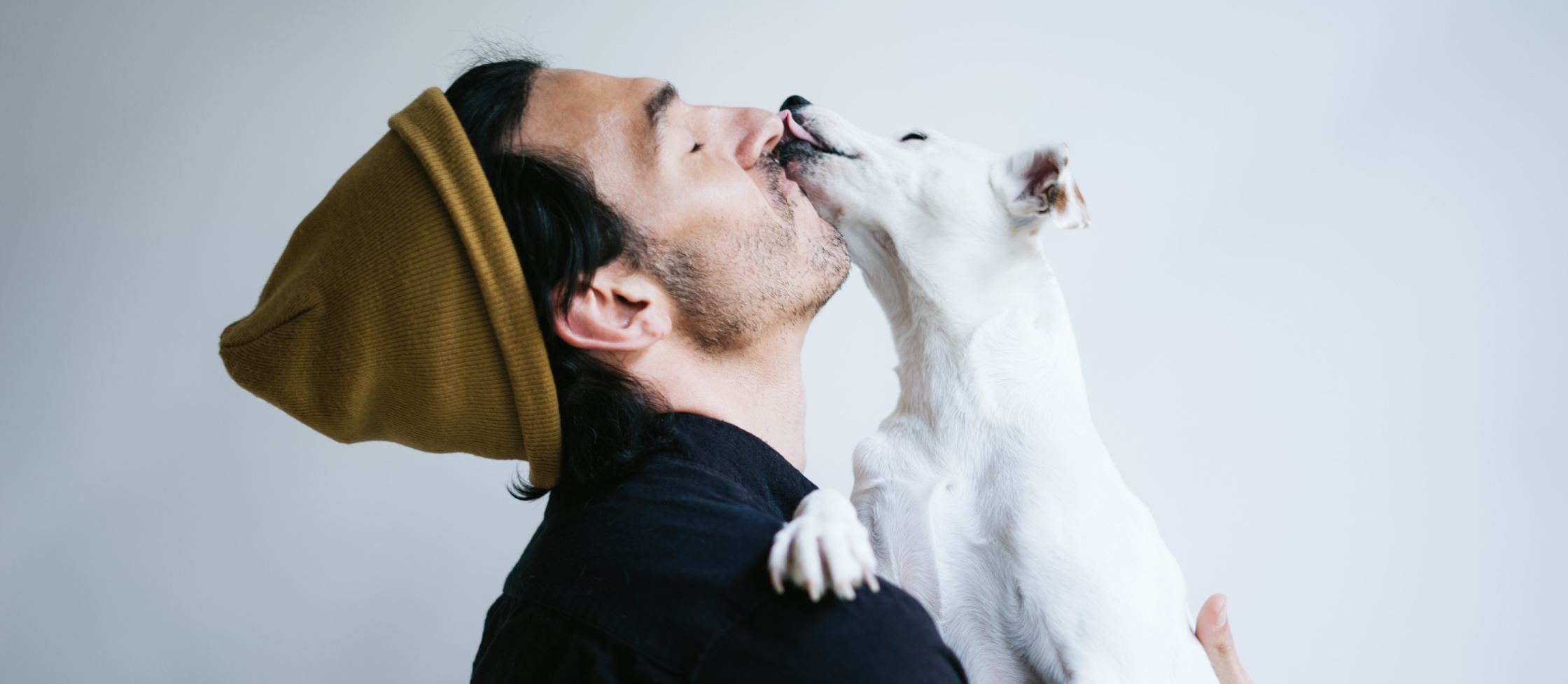
So what’s so stressful about separating and then reuniting with your pup? We are our dogs family. And family’s stick together! In an ideal world, we could be with our dog all the time. But, we have to leave the house for work, school, or to run basic errands. If we don’t set our dog up to understand this dynamic, then they get stressed. This stress bottles up, and then when we return, it explodes! And what do we do? We hug them and kiss them. But what did we indirectly do? We rewarded our dog for being stressed. We validated their stress and therefore, they think that this is how they should feel and act with us. Dogs will always continue to practice the habit that gets the reward. So if stress gets rewarded then your dog will constantly live in stress mode.
Teaching Your Dog to Handle Your Absence
So how can you ensure that you come home to a dog that is truly happy? Train them to be ok with you leaving. This could be as simple as sending them to their dog bed with a treat every time they leave or leaving them in a comfy crate. You can put classical music on or a white noise machine and make the environment as zen as possible. Whatever your system is, make sure you implement it every time you leave the house. Dogs love routine and predictability. This foundation allows for a calm state of mind to form. By not leaving your dog in an anticipatory state, you are preventing stress from building up.
Reuniting Calmly and Rewarding the Right Behavior
When you come home, be calm. Your dog will be happy to see you, but if they start to even get the least bit hyper, redirect them to a different activity. You could ask them to go to Place or to sit. Bottom line, you are not petting or talking to them while they’re excited. Because you left them in a calm state, the likelihood of them getting super overexcited is very low. So the excitement you will be presented with will be extremely manageable and your dog will enter back into calm quicker. And as soon as they do, you can invite them in for love. Now when you reconnect, you will be rewarding calm. You will be telling your dog that they did a good job staying calm while you were gone. And you will represent someone who brings calm and serenity with them, instead of symbolizing stress and hyperactivity.
What Real Love Looks Like
Your dog loves you. But when they greet you furiously with hyper body language, they are not saying they love you. They are practicing a well rehearsed dance where they are the lead, and you are following. When you reverse those roles, and provide more direction, your dog will really be saying ‘I love you’ through soft body language, a wiggly body, and a gentle nudge of the hand that says ‘I was ok, but I missed you and I’m so glad you’re home.’ Now that, my friends, is love.
RECENT
🇺🇸 Why the Liberty Bell Doesn’t Actually Ring Anymore
Did You Know?

A Rock Star’s Road to Redemption
Entertainment

New York Community Replaces Defaced Declaration Replica
America
How Four Seconds Can Help Calm the Mind
Friday Fuel

Heather Jenkins and The Power of Intentional Rest
Health & Wellness

Kentucky Bridge Project Gets $24M Boost
American Infra
Arizona Extends Farm Water Fee Relief
In The States
Macaroni, Dive Bars and Sundaes: July 7 Gets Weird
Offbeat Observances
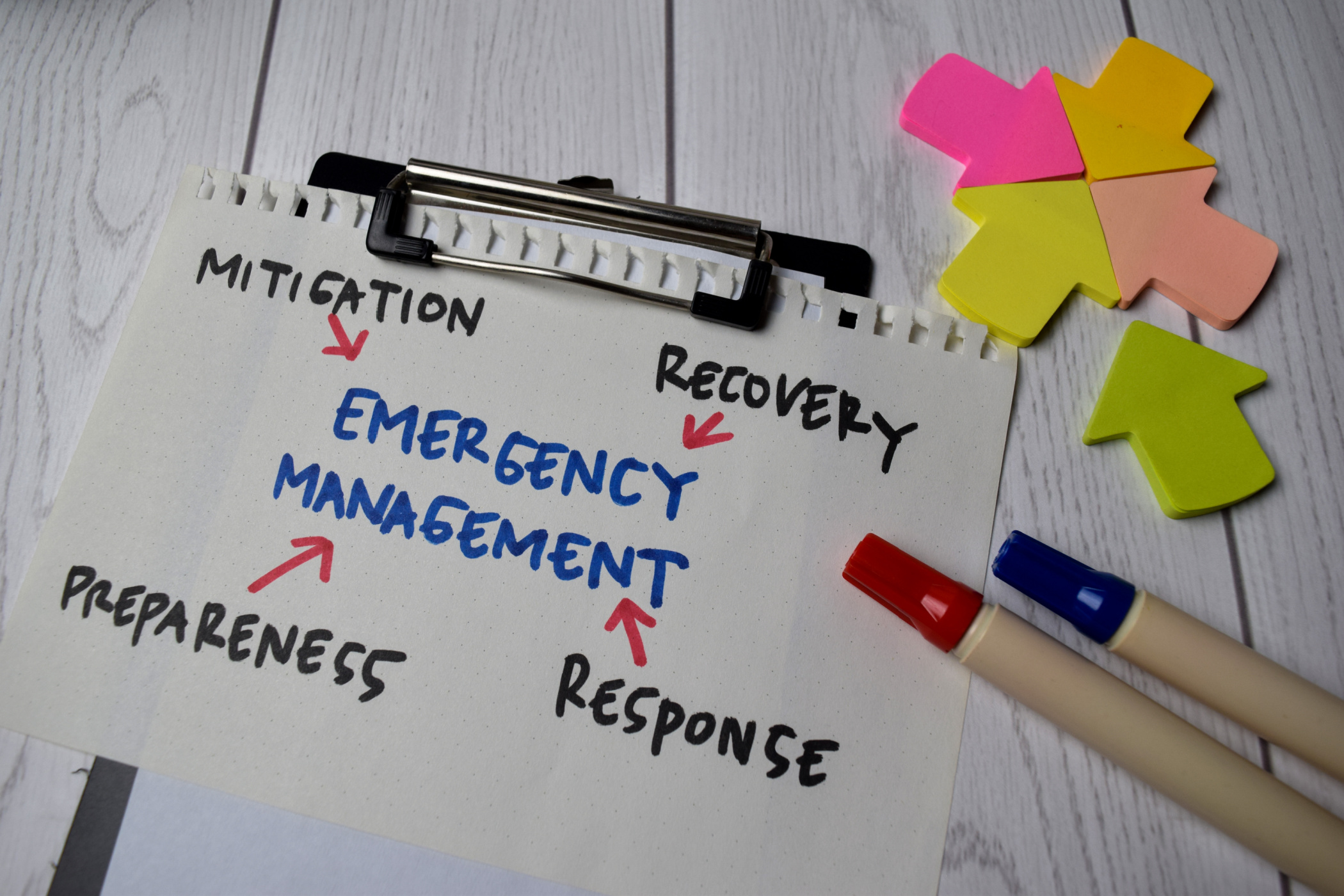
Michigan Storm Recovery Gets Bipartisan Federal Boost
In The States
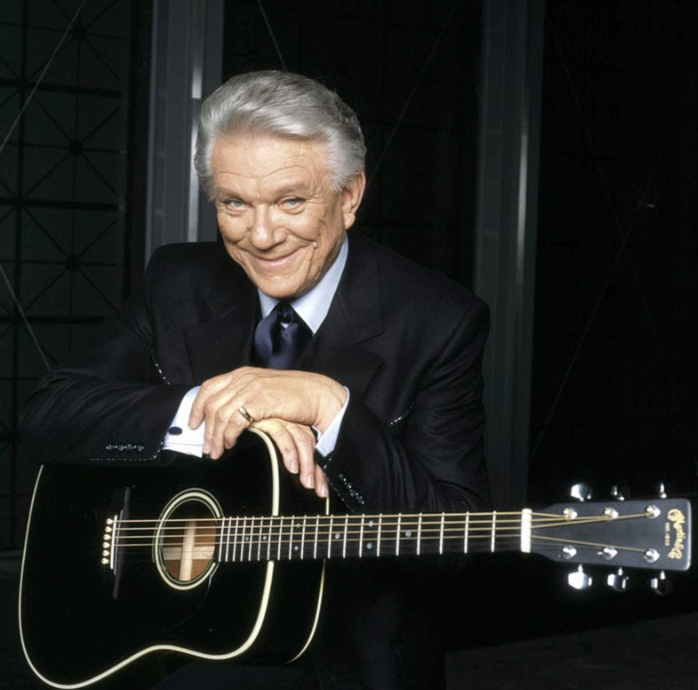
Canada Says Goodbye To Country Gentleman Tommy Hunter
Entertainment
BE THE FIRST TO KNOW
Want to stay in the loop? Be the first to know! Sign up for our newsletter and get the latest stories, updates, and insider news delivered straight to your inbox.

More Content By
Kate McCue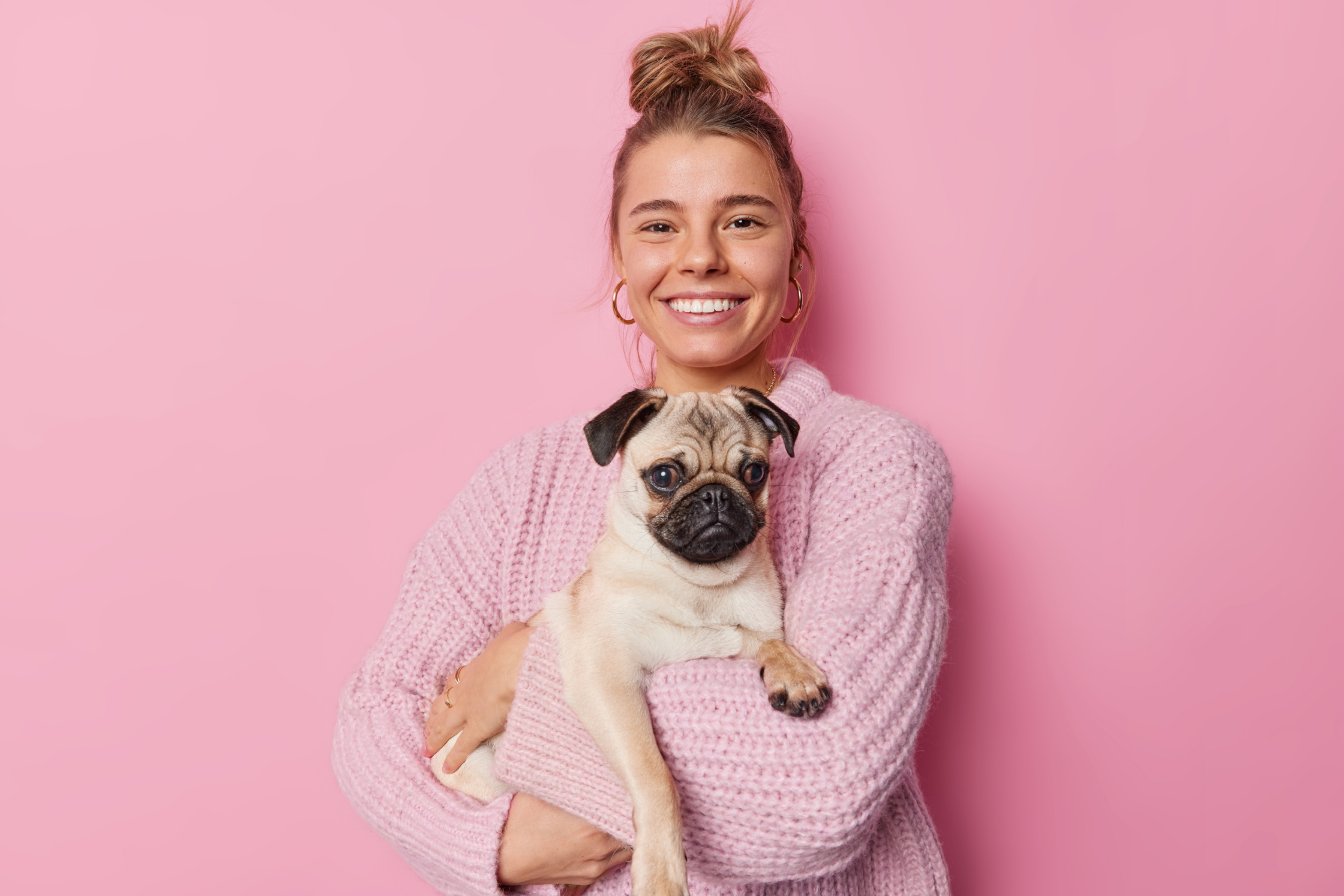
Passing the Torch to New Dog Owners
Mans Best Friend
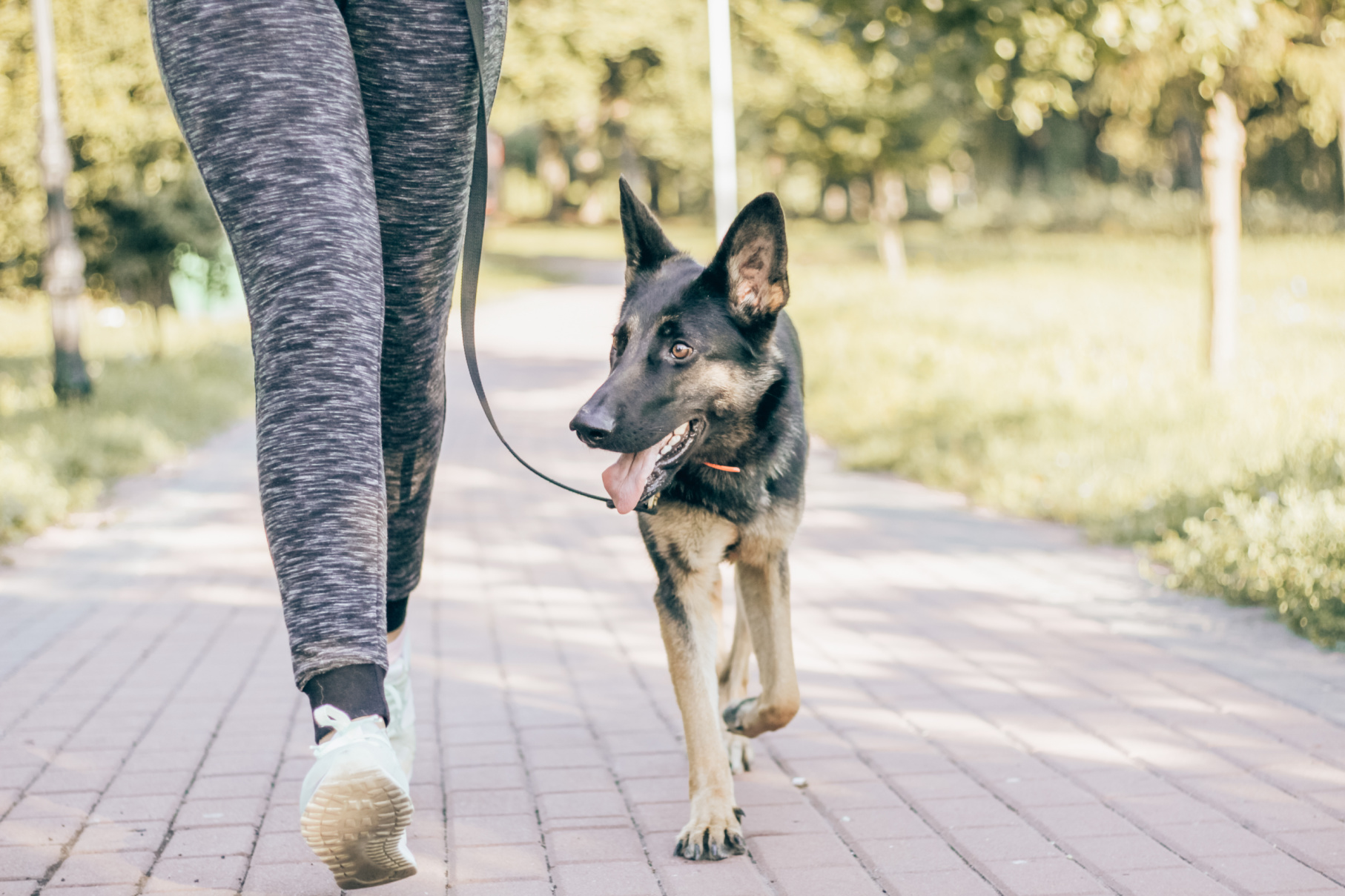
The Dog-Walking Mistake Owners Often Miss
Animals
Being a Dog Person Doesn’t Mean You Understand Dogs
Mans Best Friend
Recall Problems Start at Home—Not in the Yard
Animals
Before You Buy a Dog, Read This First
Mans Best Friend
A Dog’s Last Lesson
Animals
Why Boundaries ARE Love
Mans Best Friend
When Love Means Letting Go
Animals
Healing Trauma in Rescue Dogs Starts with Rebuilding Trust
Animals
Why Your Dog’s Diet Matters More Than You Think
Uncategorized
View All Content By Kate McCue