Nov 02
Energy
From Moratorium to Momentum: Kentucky Advances Nuclear Visions
Adobe Stock/Erik_AJV/stock.adobe.com
A Growing Vision for the Commonwealth’s Energy Future
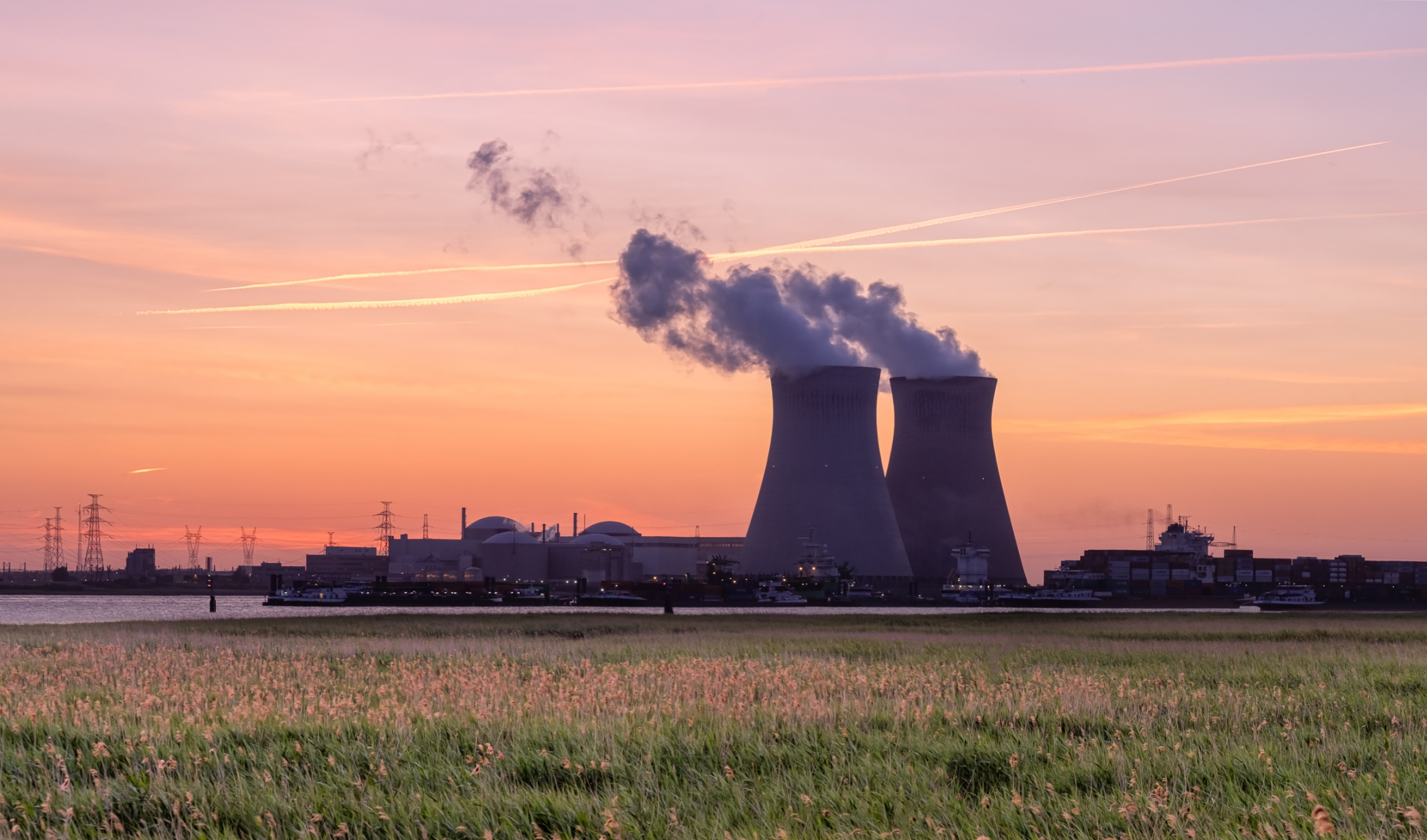
Kentucky’s momentum in advanced nuclear energy took center stage at the 2025 Kentucky Industry Conference in Lexington, where state leaders and industry executives highlighted the Commonwealth’s rapid progress toward becoming a national powerhouse in nuclear deployment.
During a panel titled “Going Nuclear,” Sen. Shelley Funke Frommeyer underscored how a coordinated legislative strategy, university-industry partnerships, and rising private-sector investment have positioned Kentucky at the forefront of America’s next-generation energy transition. The discussion was part of the conference’s Energy & Sustainability Track and moderated by Duke Energy’s Jennifer Loraine.
Panelists from Fluor, BWXT Advanced Technologies, and Global Laser Enrichment joined Frommeyer to examine the state’s infrastructure readiness, workforce pipeline, and regulatory groundwork. Their shared message: Kentucky is not merely exploring advanced nuclear — it is preparing to lead.
From Moratorium to Modern Nuclear Policy
Kentucky’s nuclear story has unfolded over nearly a decade, beginning with a pivotal milestone in 2017. That year, Senate Bill 11 — championed by Sen. Danny Carroll of Paducah and initially introduced by former Sen. Bob Leeper — lifted the state’s decades-long moratorium on nuclear development. That breakthrough cleared the way for more comprehensive work, including the creation of the Nuclear Energy Working Group through Senate Joint Resolution 79 in 2023. The group’s findings showed no significant barriers to nuclear energy production in the state, setting the stage for more aggressive action.
Legislative Backbone Meets Industry Activity
In 2024, momentum accelerated. Frommeyer co-sponsored Senate Bill 198, which established the Kentucky Nuclear Energy Development Authority (KNEDA) at the University of Kentucky’s Center for Applied Energy Research. Senate Joint Resolution 140 followed, directing the Public Service Commission to prepare for nuclear siting and construction. Substantial budget support backed both initiatives.
House Bill 1 that same year allocated $20 million annually to KNEDA and statewide energy planning through a quasi-endowment at the University of Kentucky. The 2025 session continued the build-out with Senate Bill 179, creating a Nuclear Energy Development Grant Program offering awards up to $2 million. The legislation also dedicated research support for photonics work in Paducah — a region emerging as a critical hub for nuclear innovation.
House Concurrent Resolution 22 further cemented policy direction by formally recognizing nuclear power as a clean, dispatchable energy source.
Workforce, Sites, and Investment Converging
As policy matures, the industry is responding. KNEDA has now adopted bylaws, hired an executive director, and successfully launched a grant program that drew strong interest across the nuclear sector. Meanwhile, companies such as Global Laser Enrichment and General Matter are expanding fuel-processing operations in Paducah, demonstrating market confidence in Kentucky’s nuclear roadmap.
Panelists emphasized that workforce development will be a defining factor in success. Partnerships with the University of Kentucky, the Kentucky Community and Technical College System, and other institutions are already taking shape to build talent pipelines tailored to advanced nuclear technology.
Looking ahead, a new proposal under consideration would support early-site permitting for nuclear facilities through public-private partnerships — a move that could accelerate project timelines and further strengthen Kentucky’s national profile.
A State Ready to Lead
The session’s tone was clear: Kentucky has moved from exploratory conversation to real-world action. With layered legislation, operational programs, and private-sector engagement already underway, the Commonwealth aims to secure a leadership position in the evolving U.S. nuclear landscape.
“This is not theoretical anymore,” Frommeyer said during the discussion. “The opportunities are real, and Kentucky is prepared to lead.”
RECENT
🇺🇸 Why the Liberty Bell Doesn’t Actually Ring Anymore
Did You Know?

A Rock Star’s Road to Redemption
Entertainment

New York Community Replaces Defaced Declaration Replica
America

How Four Seconds Can Help Calm the Mind
Friday Fuel

Heather Jenkins and The Power of Intentional Rest
Health & Wellness

Kentucky Bridge Project Gets $24M Boost
American Infra

Arizona Extends Farm Water Fee Relief
In The States

Macaroni, Dive Bars and Sundaes: July 7 Gets Weird
Offbeat Observances
Michigan Storm Recovery Gets Bipartisan Federal Boost
In The States

Canada Says Goodbye To Country Gentleman Tommy Hunter
Entertainment
BE THE FIRST TO KNOW
Want to stay in the loop? Be the first to know! Sign up for our newsletter and get the latest stories, updates, and insider news delivered straight to your inbox.

More Content By
Think American News Staff🇺🇸 Why the Liberty Bell Doesn’t Actually Ring Anymore
Did You Know?
A Rock Star’s Road to Redemption
Entertainment
New York Community Replaces Defaced Declaration Replica
America
Kentucky Bridge Project Gets $24M Boost
American Infra
Arizona Extends Farm Water Fee Relief
In The States
Michigan Storm Recovery Gets Bipartisan Federal Boost
In The States
Canada Says Goodbye To Country Gentleman Tommy Hunter
Entertainment
PA Lawmakers Focus on Energy
Energy

John Adams Saw America’s Future Before Anyone Else
America

The Revolutionary Ideas Behind July 4
Did You Know?
View All Content By Think American News Staff