
Oct 29
In The States
Arizona Lawmakers Revisit Bill to Curb Dangerous Speeding Through Technology
Adobe Stock/Evgen/stock.adobe.com
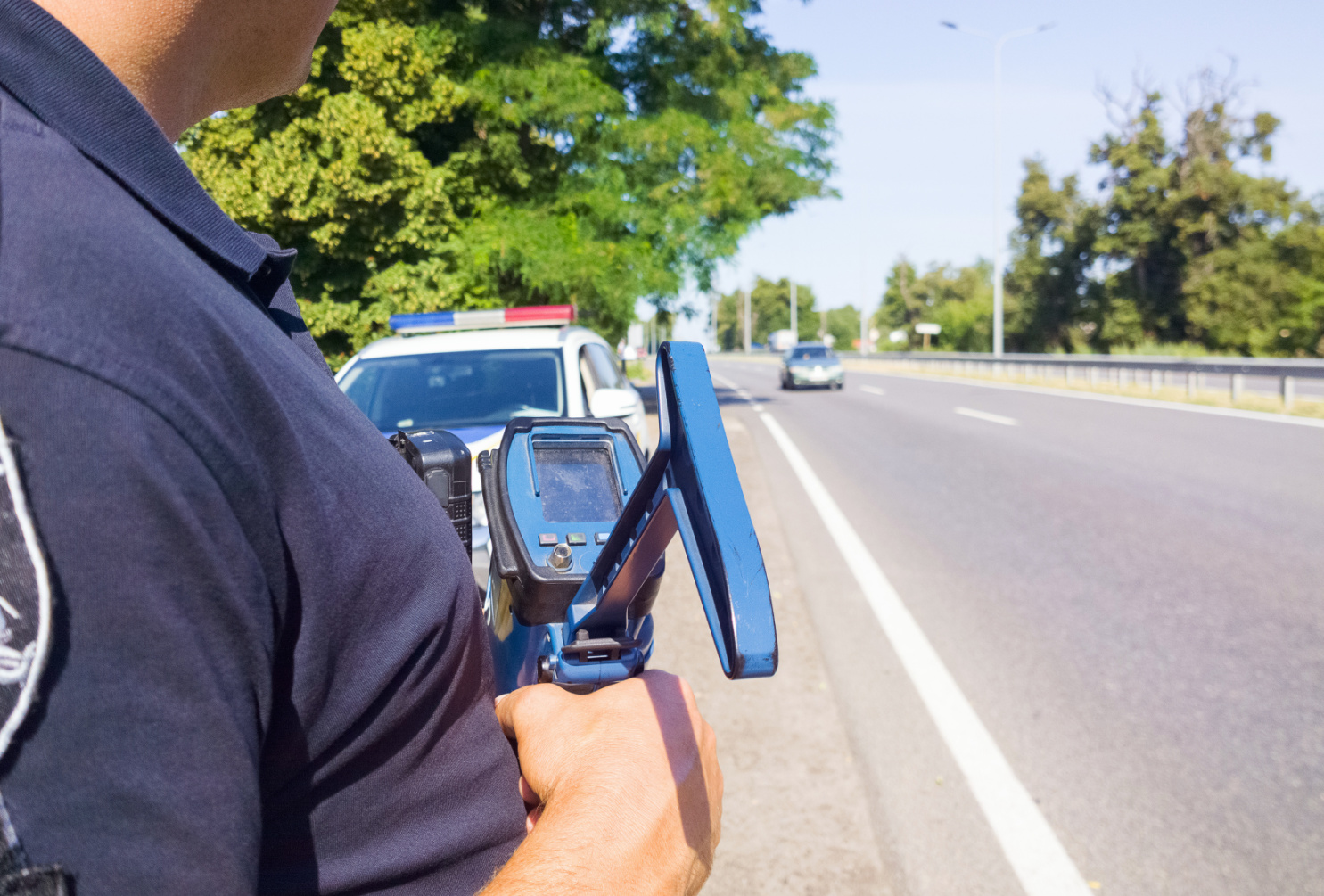
A proposal returning to the Arizona Legislature next session could change the way courts handle serious speeding violations. Representative Quang Nguyen is reviving House Bill 2786, a measure that would allow judges to require the installation of speed-inhibiting devices on offenders’ vehicles instead of suspending their driver’s licenses.
A Smarter Penalty for Reckless Driving
Under HB 2786, courts would be able to order the Arizona Department of Transportation (ADOT) to install a device that physically limits how fast a vehicle can travel. The bill outlines detailed timeframes—ranging from 90 days for a first racing offense to one year for repeated high-speed violations—and places the financial responsibility for installation and maintenance squarely on the offender.
The idea is simple: rather than removing driving privileges entirely, the device ensures offenders stay behind the wheel responsibly. Nguyen says this approach offers “a safer, more constructive path” to reducing dangerous driving behavior while still allowing people to commute to work, school, and essential obligations.
How the Technology Works
Speed-inhibiting systems are similar in concept to ignition interlocks used for DUI offenders, but instead of blocking a vehicle from starting, they prevent the engine from exceeding a set speed. Devices already exist in several forms, from open systems that warn drivers when they exceed the limit to “closed” systems that automatically restrict acceleration.
These tools rely on GPS data and speed-limit mapping, or in-vehicle sign-recognition cameras, to gauge when a driver is going too fast. When activated, the car either resists acceleration or caps the engine’s power output, keeping it within the posted limit.
Internationally, the technology—known as Intelligent Speed Assistance (ISA)—is becoming mainstream. The European Union now requires all new vehicles sold after 2024 to include ISA systems, and studies abroad show reductions in speeding and crash rates of up to 20 percent. While still relatively rare in the United States, pilot programs have found similar benefits among repeat speeding offenders and younger drivers.
Accountability and Enforcement
The bill’s provisions include robust oversight measures. Manufacturers must submit electronic proof of installation, calibration, and any tampering to ADOT. If a required report is missing, the department must suspend the offender’s license until compliance is verified.
Driving without an installed inhibitor when one is mandated would become a Class 1 misdemeanor, carrying potential jail time and automatic license suspension. Offenders would have the right to request a hearing before ADOT to challenge suspensions tied to manufacturer reporting issues or compliance errors.
Additionally, anyone renting or lending a vehicle to a restricted driver would be prohibited from doing so unless the vehicle is equipped with an inhibitor—mirroring the state’s long-standing rules for ignition interlock devices.
Balancing Public Safety and Rehabilitation
Nguyen argues that HB 2786 strikes the right balance between punishment and prevention. “License suspensions often lead to job loss and further instability,” he told reporters. “This bill promotes accountability while keeping people on the road safely.”
Advocates point out that excessive speeding remains one of Arizona’s leading causes of traffic fatalities. According to state crash data, thousands of collisions each year involve drivers traveling more than 20 mph over the limit. The proposed legislation aims to make roads safer without clogging courts or burdening law enforcement with monitoring suspended drivers.
Critics, however, have raised questions about cost, privacy, and whether the technology could malfunction or misread speed limits. The bill addresses some of these concerns by requiring device reliability standards, insurance coverage from manufacturers, and civil penalties for companies that fail to report compliance data accurately.
Looking Ahead
With bipartisan conversations already underway, Nguyen is optimistic about the bill’s future. “I’m confident we’ll have the votes to get this across the finish line and onto the governor’s desk,” he said.
If passed, Arizona would become one of the first states in the nation to use speed-limiting technology as a judicial tool—a move that could position the state at the forefront of traffic-safety innovation.
RECENT
🇺🇸 Why the Liberty Bell Doesn’t Actually Ring Anymore
Did You Know?

A Rock Star’s Road to Redemption
Entertainment

New York Community Replaces Defaced Declaration Replica
America

How Four Seconds Can Help Calm the Mind
Friday Fuel

Heather Jenkins and The Power of Intentional Rest
Health & Wellness

Kentucky Bridge Project Gets $24M Boost
American Infra

Arizona Extends Farm Water Fee Relief
In The States

Macaroni, Dive Bars and Sundaes: July 7 Gets Weird
Offbeat Observances
Michigan Storm Recovery Gets Bipartisan Federal Boost
In The States

Canada Says Goodbye To Country Gentleman Tommy Hunter
Entertainment
BE THE FIRST TO KNOW
Want to stay in the loop? Be the first to know! Sign up for our newsletter and get the latest stories, updates, and insider news delivered straight to your inbox.

More Content By
Think American News Staff🇺🇸 Why the Liberty Bell Doesn’t Actually Ring Anymore
Did You Know?
A Rock Star’s Road to Redemption
Entertainment
New York Community Replaces Defaced Declaration Replica
America
Kentucky Bridge Project Gets $24M Boost
American Infra
Arizona Extends Farm Water Fee Relief
In The States
Michigan Storm Recovery Gets Bipartisan Federal Boost
In The States
Canada Says Goodbye To Country Gentleman Tommy Hunter
Entertainment
PA Lawmakers Focus on Energy
Energy

John Adams Saw America’s Future Before Anyone Else
America

The Revolutionary Ideas Behind July 4
Did You Know?
View All Content By Think American News Staff