Sep 29
In The States
New Hayward Facility Will Turn Wisconsin Wood Into Clean Aviation Fuel
Adobe Stock/Kletr/stock.adobe.com
A Bold Plan for Wisconsin’s Timber Industry
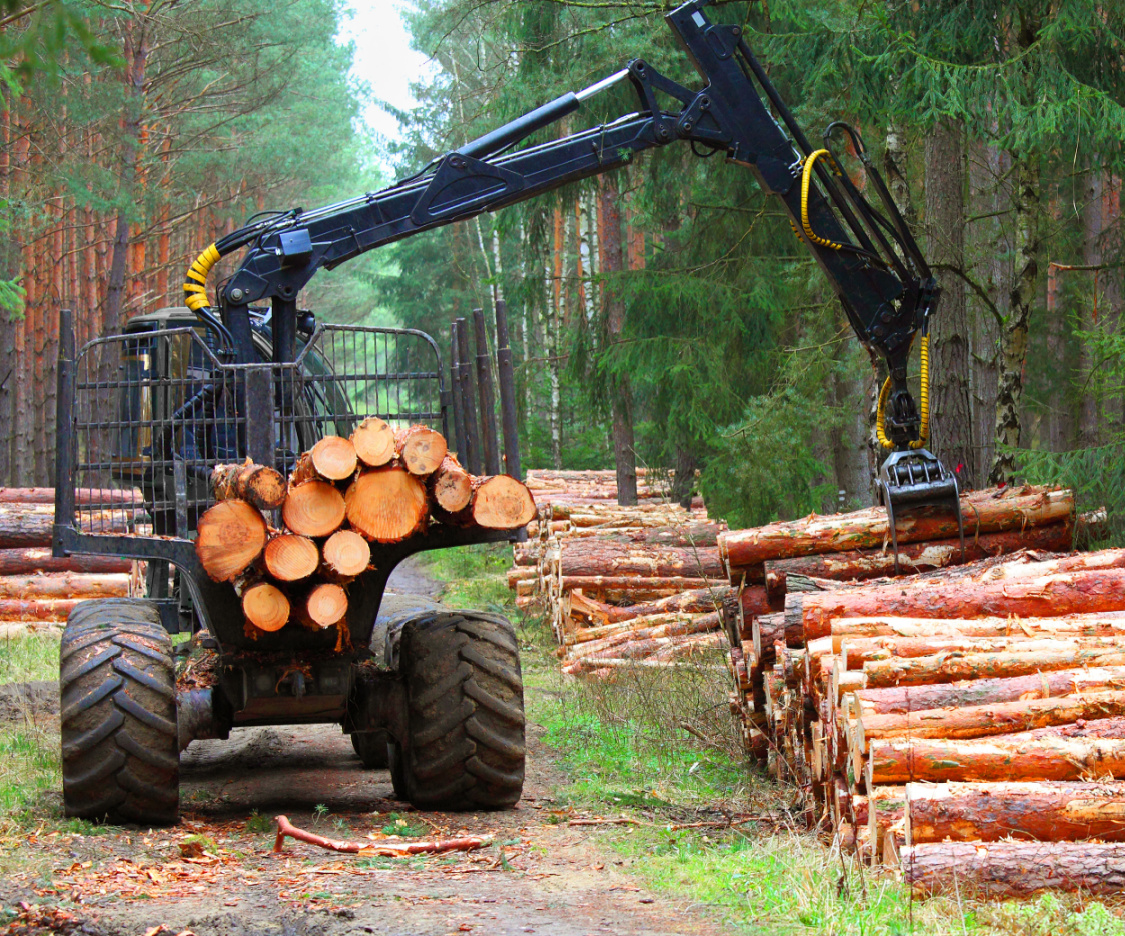
Wisconsin lawmakers are advancing a plan that could transform the state’s forestry sector and position it as a leader in sustainable aviation fuel. Last week, Senate President Mary Felzkowski, joined by Representative Chanz Green, introduced the Forestry Revitalization Act, an ambitious proposal centered on a new facility in Hayward. This plant would convert woody biomass—bark, branches, tree tops, and other byproducts—into clean-burning sustainable aviation fuel (SAF).
Economic and Environmental Impact
The stakes are high. The Hayward facility is projected to deliver more than $1 billion in annual economic impact and create over 350 high-paying local jobs. For rural communities in northern Wisconsin, which have long relied on forestry and paper mills, the project offers not just employment but stability and growth. Beyond economics, it represents a shift toward reducing waste and contributing to global sustainability.
Funding the Future
To bring the facility to life, the legislation calls for $210 million in state support. This includes $60 million in Wisconsin Economic Development Corporation tax credits and $150 million in state bonding. These funds would complement an estimated $1.5 billion in private investment, showing that both government and industry see the project as transformative.
Meeting Global Fuel Demands
The Hayward plant is designed to produce CORSIA-qualified SAF and naphtha, with most of the output destined for export. The timing is critical, as the European Union requires increasing blends of SAF in aviation fuel, with a mandate of 70% by 2050. Wisconsin’s new facility could make the state a major supplier in the international clean-fuel market.
Supporting Local Forestry
One defining feature of the Act is its commitment to Wisconsin’s own timber. The bill mandates that 80% of the wood used by the plant come from in-state sources. This provision will help reverse recent declines in timber harvests following the closure of the Wisconsin Rapids Paper Mill. With the new facility processing about 880,000 tons of biomass annually, demand for logging and transport will strengthen, supporting workers across the forestry supply chain.
Safeguards and Accountability
The Act also includes guardrails. The Hayward facility must remain dedicated to SAF production until state bonds are repaid, ensuring accountability and protecting taxpayer dollars. Full production is expected by 2029, giving Wisconsin time to build the necessary infrastructure, supply chains, and workforce training programs.
A Turning Point for Northern Wisconsin
Supporters argue that the Act is more than an economic plan—it is a symbol of renewal. For decades, northern Wisconsin’s paper mills and timber industry shaped the region’s economy. Declines in demand and global competition have since left many communities struggling. The Forestry Revitalization Act signals a new era where Wisconsin’s forests fuel innovation, sustainability, and global trade.
Looking Ahead
If passed, the Act could make Wisconsin a national model for leveraging natural resources to create sustainable fuel. Senator Felzkowski called the proposal a mission of “growing jobs, strengthening forestry, and powering the future of aviation.” With bipartisan support and major private investment, the initiative has momentum. For Hayward and the wider region, it offers a chance to blend tradition with innovation and ensure the forests remain a driver of prosperity for generations.
RECENT
🇺🇸 Why the Liberty Bell Doesn’t Actually Ring Anymore
Did You Know?

A Rock Star’s Road to Redemption
Entertainment

New York Community Replaces Defaced Declaration Replica
America

How Four Seconds Can Help Calm the Mind
Friday Fuel

Heather Jenkins and The Power of Intentional Rest
Health & Wellness

Kentucky Bridge Project Gets $24M Boost
American Infra
Arizona Extends Farm Water Fee Relief
In The States

Macaroni, Dive Bars and Sundaes: July 7 Gets Weird
Offbeat Observances

Michigan Storm Recovery Gets Bipartisan Federal Boost
In The States

Canada Says Goodbye To Country Gentleman Tommy Hunter
Entertainment
BE THE FIRST TO KNOW
Want to stay in the loop? Be the first to know! Sign up for our newsletter and get the latest stories, updates, and insider news delivered straight to your inbox.

More Content By
Think American News Staff🇺🇸 Why the Liberty Bell Doesn’t Actually Ring Anymore
Did You Know?
A Rock Star’s Road to Redemption
Entertainment
New York Community Replaces Defaced Declaration Replica
America
Kentucky Bridge Project Gets $24M Boost
American Infra
Arizona Extends Farm Water Fee Relief
In The States
Michigan Storm Recovery Gets Bipartisan Federal Boost
In The States
Canada Says Goodbye To Country Gentleman Tommy Hunter
Entertainment
PA Lawmakers Focus on Energy
Energy

John Adams Saw America’s Future Before Anyone Else
America

The Revolutionary Ideas Behind July 4
Did You Know?
View All Content By Think American News Staff