Aug 04
Kindness
Be Patient With Slow Movers: The Grace That Changes Everything
Adobe Stock/leungchopan/stock.adobe.com
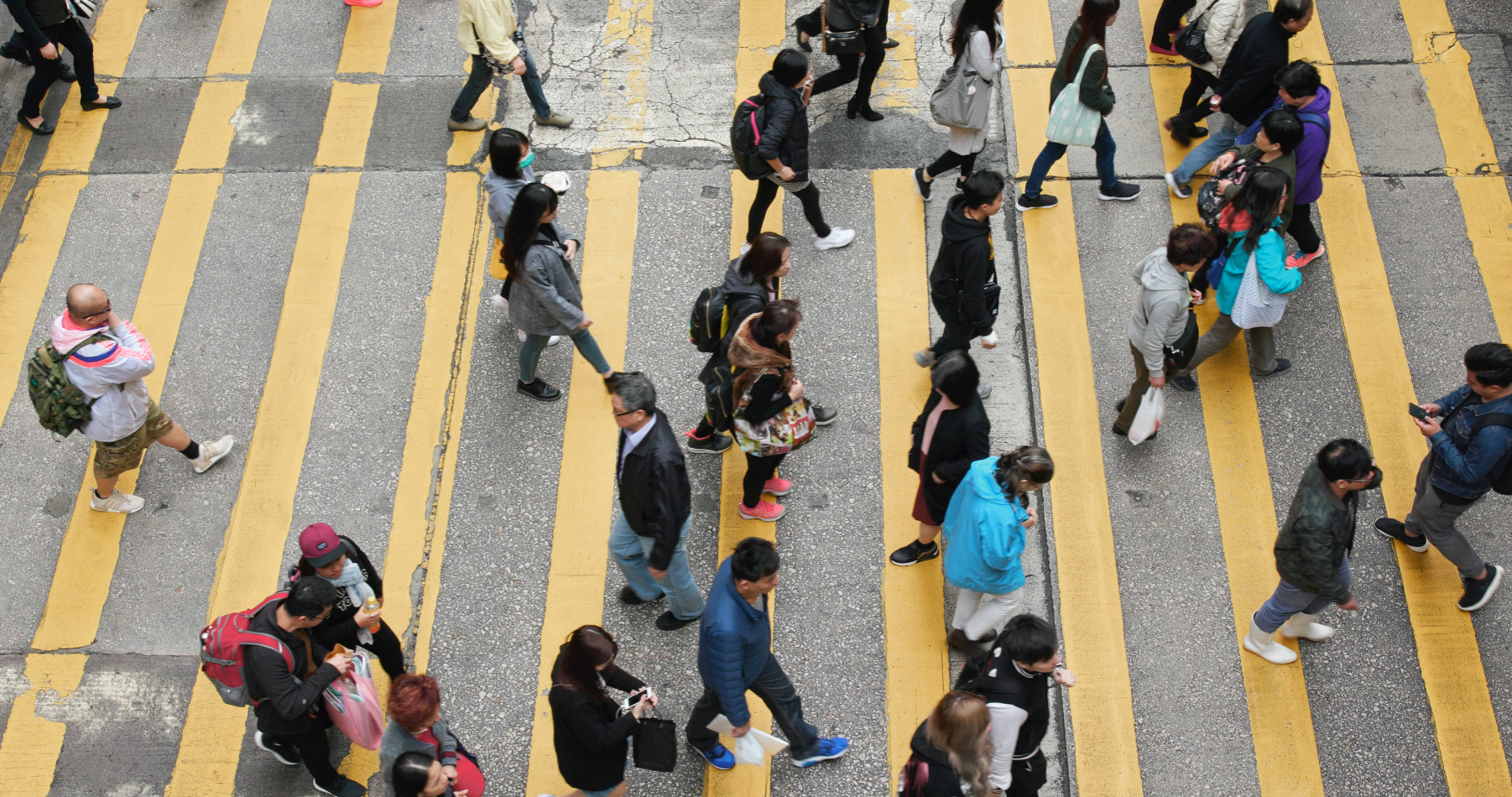
We live in a culture that moves fast. Fast food. Fast lanes. Fast internet. Our expectations have shifted to match the pace—we want things now, we want people to keep up, and we don’t like waiting. But in all this speed, we’ve lost sight of something essential: the power of patience. Especially when it comes to those who move through life a little slower.
Whether it’s toddlers dawdling through a grocery store aisle, an elderly person navigating the sidewalk with care, or a customer service rep working through a script—we often forget that rushing isn’t always an option for everyone. And in those moments, our reaction matters. That’s where grace enters the picture.
Patience, at its core, is grace in action. It’s the decision to slow ourselves down for the sake of someone else. It’s a form of kindness that requires restraint. It’s a civic virtue, even if we don’t always see it that way. Because when we choose patience over frustration, we make our communities more livable, our families more loving, and our culture more human.
I’ll never forget a moment years ago, when I was working in Manhattan and commuting via the Long Island Rail Road. One morning, I was rushing up to the escalator at Penn Station, already thinking about the walk ahead, the next deadline, the next train. I found myself stuck behind an older gentleman who was slowly—painfully slowly—shuffling up each escalator step. I could feel the impatience rising in my chest. I remember thinking, “For heaven’s sake, hurry up.”
And then it hit me—he was probably around my dad’s age. Maybe even older. That realization stopped me in my tracks, both physically and emotionally. My perspective shifted in an instant. Instead of frustration, I felt compassion. Instead of huffing, I stayed behind him and matched his pace. Because suddenly, he wasn’t an obstacle. He was someone’s father. He reminded me of someone I love.
That moment has stuck with me for years. It was such a simple change—one small flick of perspective—but it taught me something lasting. Patience isn’t just a nicety. It’s a discipline. And sometimes, it’s the most generous thing you can give someone.
Think about the last time you were behind someone slow—at the checkout counter, in traffic, on the phone, or even just walking. What was your instinct? To sigh? To glance at the time? To find a way around them? We all do it. We’re conditioned for efficiency, and anything that disrupts that pace feels like an inconvenience.
But here’s the truth: that person moving slowly isn’t doing it to spite us. The child is learning. The elderly person is being careful. The customer service agent may be new, or exhausted, or doing their best under pressure. When we rush past, we miss the opportunity to respond with empathy. When we show patience, we give them dignity.
And let’s be honest: we’ve all been the slow mover, too.
We’ve all had days when our minds were scattered, our bodies were worn out, or we just needed a little extra grace. We’ve fumbled through conversations, taken too long to decide, or held up the line. And in those moments, someone else’s patience probably made all the difference.
That’s what patience really is—it’s an act of generosity. It doesn’t draw attention to itself, but it changes the tone of the moment. It turns what could be annoyance into acceptance. It says, “I see you. I’m not in such a rush that I can’t make space for your pace.”
And when we model that kind of grace—especially in front of our kids or our peers—it spreads. It becomes cultural. We start treating people not as obstacles to navigate around, but as fellow human beings doing their best.
This shows up in big places, like healthcare and education, but it starts in small places—parking lots, checkout lines, sidewalks, and subway escalators. It starts with us.
Living civics means respecting the people around us, even when their pace doesn’t match ours. It means building a culture where grace isn’t something you have to earn—it’s something you’re given, freely and without judgment.
So the next time you’re tempted to rush, to sigh, to push past—pause. Consider who’s in front of you. Consider what it might mean to walk a little slower, wait a little longer, breathe a little deeper.
Because patience isn’t weakness—it’s strength, discipline, and character rolled into one. And more often than not, it’s exactly what someone needs—whether they know how to ask for it or not.
In a world racing to get ahead, let’s not forget the power of slowing down. Not for ourselves—but for someone else.
That’s not just good manners. That’s good civics. That’s grace in motion.
RECENT
🇺🇸 Why the Liberty Bell Doesn’t Actually Ring Anymore
Did You Know?

A Rock Star’s Road to Redemption
Entertainment
New York Community Replaces Defaced Declaration Replica
America
How Four Seconds Can Help Calm the Mind
Friday Fuel

Heather Jenkins and The Power of Intentional Rest
Health & Wellness
Kentucky Bridge Project Gets $24M Boost
American Infra
Arizona Extends Farm Water Fee Relief
In The States
Macaroni, Dive Bars and Sundaes: July 7 Gets Weird
Offbeat Observances
Michigan Storm Recovery Gets Bipartisan Federal Boost
In The States

Canada Says Goodbye To Country Gentleman Tommy Hunter
Entertainment
BE THE FIRST TO KNOW
Want to stay in the loop? Be the first to know! Sign up for our newsletter and get the latest stories, updates, and insider news delivered straight to your inbox.

More Content By
Jessica Curtis
Fast Lane, Short Fuse
Living Civics
Honey, I Shrunk the Frogs
Animals
A Small-Town Rescue With Four Paws and a Lesson
Mans Best Friend

When Little Ears Learn Big Words
Living Civics

The Endless Loyalty and Love of a Dog
Mans Best Friend

When the Calendar Changes, Character Counts
Opinion

Appreciating the Little Moments That Make Life Beautiful
Living Civics
Remember This: The Day America’s Original 13 Became One
Opinion

Memorial Day Is Not Just a Long Weekend
America

Trinh Ha on Freedom and Opportunity
In The States
View All Content By Jessica Curtis