Apr 05
Did You Know?
Saturday Brain Boost: Fun Facts to Make You Think! April 5, 2025
Adobe Stock/william87/stock.adobe.com
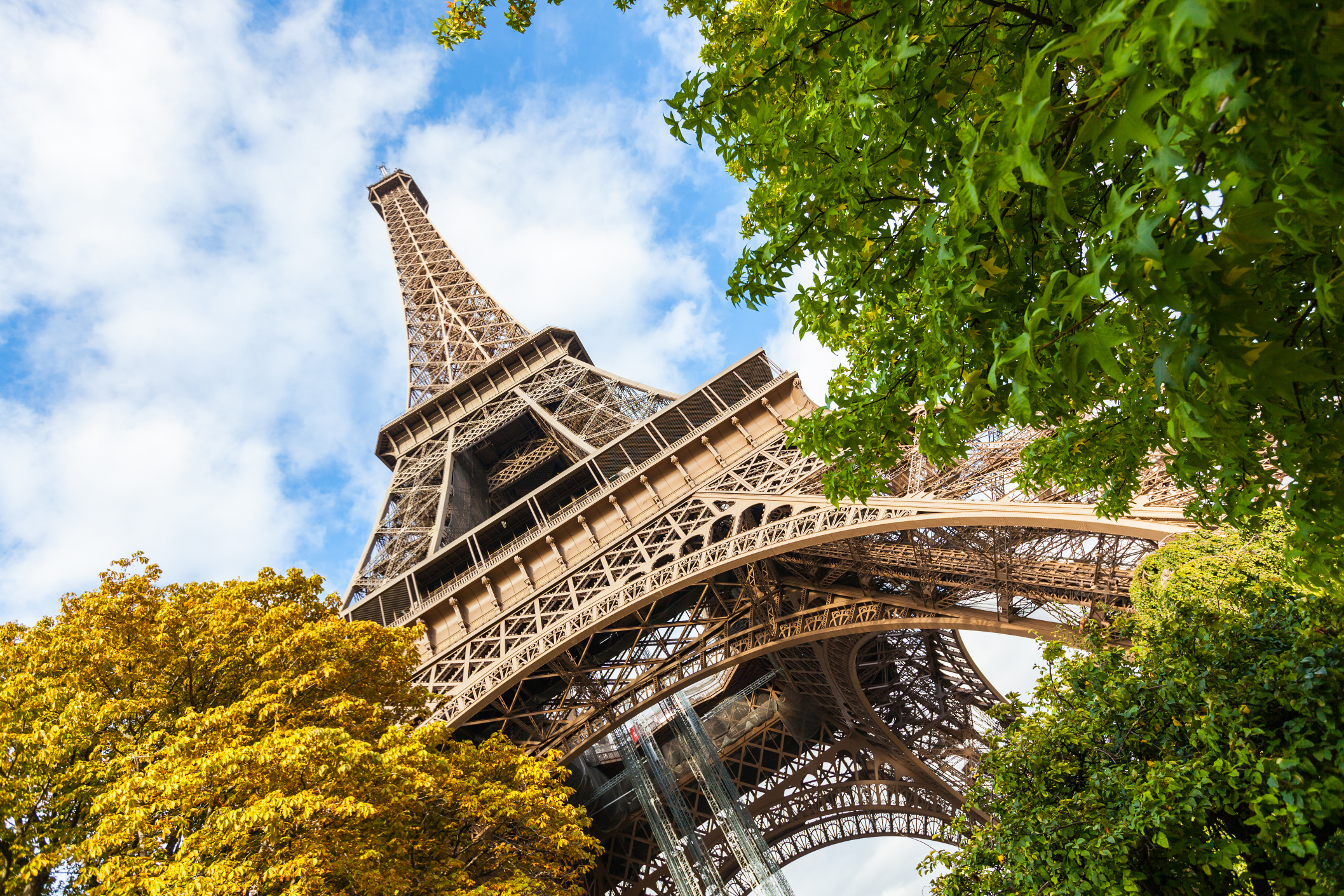
Did You Know: The Eiffel Tower Can Grow Taller in the Summer!
Here’s a fun fact to get your brain buzzing: The Eiffel Tower, that iconic symbol of France, actually grows taller in the summer! This is all thanks to thermal expansion, a natural phenomenon where materials expand when exposed to heat. During hot summer days, the metal structure of the Eiffel Tower—primarily made of iron—grows by up to six inches taller.
It may seem surprising, but iron responds to heat by expanding, causing the tower to stretch slightly. As temperatures drop in the winter, the metal contracts, and the tower shrinks back to its original height. It’s like nature’s way of giving the Eiffel Tower a seasonal growth spurt!
But let’s take a deeper dive into the Eiffel Tower’s fascinating history to understand just how amazing this structure truly is.
The Eiffel Tower was designed by the French engineer Gustave Eiffel, who was a visionary in the field of structural engineering. It was originally built for the 1889 Exposition Universelle (World’s Fair) held in Paris to celebrate the 100th anniversary of the French Revolution. Standing at an impressive height of 300 meters (984 feet), the tower was the tallest man-made structure in the world at the time.
The tower’s construction was a marvel of engineering, with more than 18,000 individual iron parts assembled with over 2.5 million rivets. It was initially met with criticism from some of France’s leading artists and intellectuals, who found its design to be too industrial and out of place in the beautiful Parisian skyline. Despite the controversy, Eiffel’s tower stood firm—and over time, it became one of the most beloved structures in the world.
While it was originally intended as a temporary structure for the World’s Fair, the Eiffel Tower found a permanent place in Paris’s skyline. Beyond its aesthetic value, the tower proved essential for scientific and technological advancements. It became a critical site for radio transmission experiments, especially during World War I when it was used to intercept enemy communications. The Eiffel Tower’s height allowed for excellent radio transmission, making it an ideal spot for scientists to test long-range communication technology.
Over the years, the tower’s role in communication expanded further, with antennae being added to facilitate television broadcasts, cell phone signals, and other modern-day communication technologies. Today, it continues to serve as a functional radio and TV broadcasting tower.
In addition to being a feat of engineering and a critical scientific tool, the Eiffel Tower has become a cultural symbol of Paris and France as a whole. It’s one of the most visited paid monuments in the world, attracting millions of tourists each year. Its shimmering lights at night, its graceful curves, and its elegant stature make it one of the most photographed landmarks on Earth.
Fun Fact Recap:
- The Eiffel Tower grows taller by up to six inches in the summer due to thermal expansion—thanks to the heat causing the iron to expand.
- Gustave Eiffel designed the tower for the 1889 World’s Fair and originally faced criticism for its industrial appearance.
- Initially planned to be a temporary structure, the Eiffel Tower became an enduring symbol of French innovation and culture.
- It was instrumental in radio transmission experiments, especially during World War I, and is still used for communication purposes today.
So, next time you’re strolling along the streets of Paris, take a moment to marvel not only at the tower’s towering beauty but also at the incredible science and history behind this magnificent piece of architecture!
RECENT

Michigan Students Invited to Compete for “Representative for a Day”
Education

A Statewide Celebration of Stories, Learning, and Lifelong Literacy in Michigan
Education
Marcell Highlights Sextortion Prevention
In The States
How Frederick Douglass Helped Move America Forward
History

William Lee Golden Releases Golden Memories
Entertainment

One Constitutional Amendment Took 203 Years to Pass
Did You Know?

2026 Nurses Day at the Capitol Draws Hundreds to Madison, WI
Health & Wellness

Your Weekend Game Plan Starts Here
America

Kentucky Jury Delivers 285 Years in Child Exploitation Case
Law and Order

Healing Trauma in Rescue Dogs Starts with Rebuilding Trust
Animals
BE THE FIRST TO KNOW
Want to stay in the loop? Be the first to know! Sign up for our newsletter and get the latest stories, updates, and insider news delivered straight to your inbox.

More Content By
Think American News StaffMichigan Students Invited to Compete for “Representative for a Day”
Education
A Statewide Celebration of Stories, Learning, and Lifelong Literacy in Michigan
Education
Marcell Highlights Sextortion Prevention
In The States
How Frederick Douglass Helped Move America Forward
History
William Lee Golden Releases Golden Memories
Entertainment
One Constitutional Amendment Took 203 Years to Pass
Did You Know?
2026 Nurses Day at the Capitol Draws Hundreds to Madison, WI
Health & Wellness
Your Weekend Game Plan Starts Here
America
Kentucky Jury Delivers 285 Years in Child Exploitation Case
Law and Order
Garten Welfare Reform Bill Heads to Governor
In The States
View All Content By Think American News Staff