Office of PA State Representative Kristin Marcell
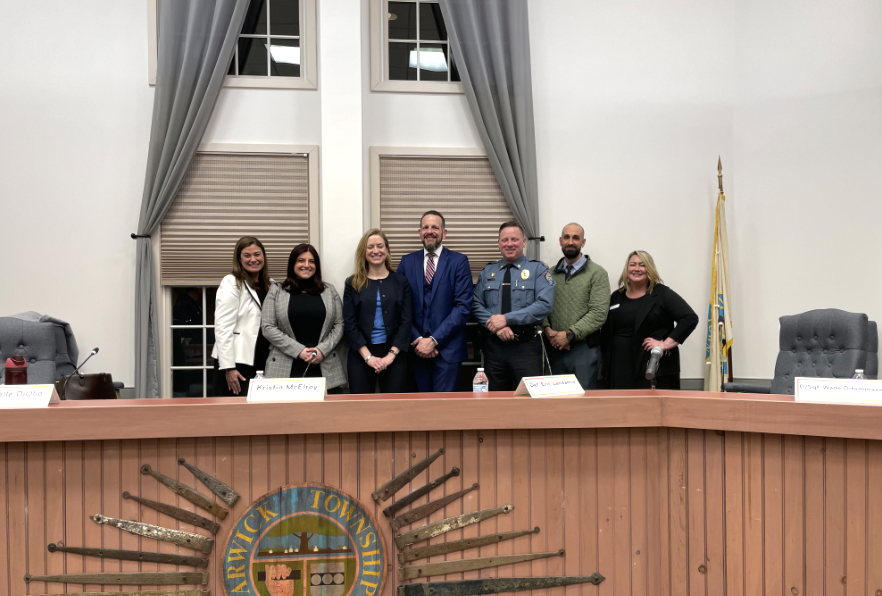
In an era when smartphones are constant companions and social media is woven into daily life, protecting young people online has become one of the most urgent challenges facing families. That was the focus of a recent sextortion awareness event hosted by Pennsylvania State Rep. Kristin Marcell, who brought together law enforcement, victim advocates and community members to address a crime that is growing in both frequency and severity.
Marcell thanked attendees and partners who helped make the event possible, including Warwick Township Police, the Bucks County District Attorney’s Office and NOVA. The goal was simple but critical: equip parents and teens with the knowledge they need to recognize sextortion and know what to do if it happens.
Understanding Sextortion
Sextortion is a crime in which someone threatens to share explicit images in order to demand money, additional images or other forms of compliance. Often, the victim is a teenager who believes they are communicating with someone their own age. In reality, the person behind the screen may be a stranger operating under a false identity.
One of the clearest messages from the event was this: if a young person becomes a target of sextortion, it is not their fault. Shame and fear frequently prevent victims from speaking up, which only deepens the harm. Marcell emphasized that help is available and that early intervention can prevent further exploitation.
What Parents and Teens Should Do
Experts at the event urged parents to begin conversations about online safety early — and to keep those conversations open and nonjudgmental. Creating an environment where a child feels safe admitting a mistake or asking for help can make all the difference.
If a teen is targeted, the recommended steps are straightforward but important: stop the conversation immediately, block the user, take screenshots of all messages and threats, and report the incident. Reports can be made to the National Center for Missing and Exploited Children’s CyberTipline at CyberTipline.org or through local law enforcement. The website TakeItDown.ncmec.org also offers assistance in removing explicit images shared online.
NOVA’s Role in Supporting Victims
A key partner in the event was NOVA, a comprehensive victim services organization serving Bucks County. Founded in 1974 as Women Organized Against Rape (WOAR), it was the first — and remains the only — rape crisis center in Bucks County. In the 1980s, as the federal government expanded support for crime victims, WOAR grew into NOVA, broadening its services to assist all victims of crime while continuing prevention education efforts.
Today, NOVA provides a wide range of services, including a 24-hour victim helpline, forensic exams in area hospitals, forensic interviews for children who have experienced sexual or physical abuse, trauma-focused cognitive behavioral therapy in offices, homes or schools, and legal advocacy through the criminal justice system. The organization also offers prevention education and professional training throughout the community.
NOVA operates several special initiatives as well, including the Keystone Crisis Intervention Team, the Bucks Coalition Against Human Trafficking and Safe and Healthy Communities. For immediate support, victims in Bucks County can call NOVA’s 24/7 helpline at 1-800-675-6900 or visit www.novabucks.org.
A Community Response
Marcell’s sextortion awareness event underscored a broader truth: online exploitation is not just a family issue or a law enforcement issue. It is a community issue. By bringing together police, prosecutors, victim advocates and parents, the event highlighted the importance of collaboration and clear communication.
As technology evolves, so do the tactics of those who seek to exploit it. But so too can the tools of prevention and support. Through awareness, early conversations and strong community partnerships, families can be better prepared — and young people can be reminded that if something goes wrong online, they are not alone.
RECENT

Crayons, Carbs, and Catastrophic Data Loss (Avoided)
Uncategorized

Bluegrass Duo Celebrates Milestone
Entertainment
Indiana Prosecutor Sends Clear Message on Child Neglect
Child Abuse

Oklahoma School Safety Bill Moves Forward
Education

Grace Kelly: Irish Roots Behind an American Icon
Legends of the American Spirit

Strength Beyond Sight in Texas
In The States

You Might Be Speaking Irish Without Knowing It
Did You Know?

Country Legends Hit 40-Year Mark
Entertainment

Kentucky Targets Classroom Violence
Education

Spring Into the Weekend
Dating
BE THE FIRST TO KNOW
Want to stay in the loop? Be the first to know! Sign up for our newsletter and get the latest stories, updates, and insider news delivered straight to your inbox.

More Content By
Think American News StaffBluegrass Duo Celebrates Milestone
Entertainment
Indiana Prosecutor Sends Clear Message on Child Neglect
Child Abuse
Oklahoma School Safety Bill Moves Forward
Education
Grace Kelly: Irish Roots Behind an American Icon
Legends of the American Spirit
Strength Beyond Sight in Texas
In The States
You Might Be Speaking Irish Without Knowing It
Did You Know?
Country Legends Hit 40-Year Mark
Entertainment
Kentucky Targets Classroom Violence
Education
Spring Into the Weekend
Dating

The Truth About Fitness: It’s No Longer a Choice
Friday Fuel
View All Content By Think American News Staff