Adobe Stock/Africa Studio
How Do You Heal Trauma?
The Disruption of Connection
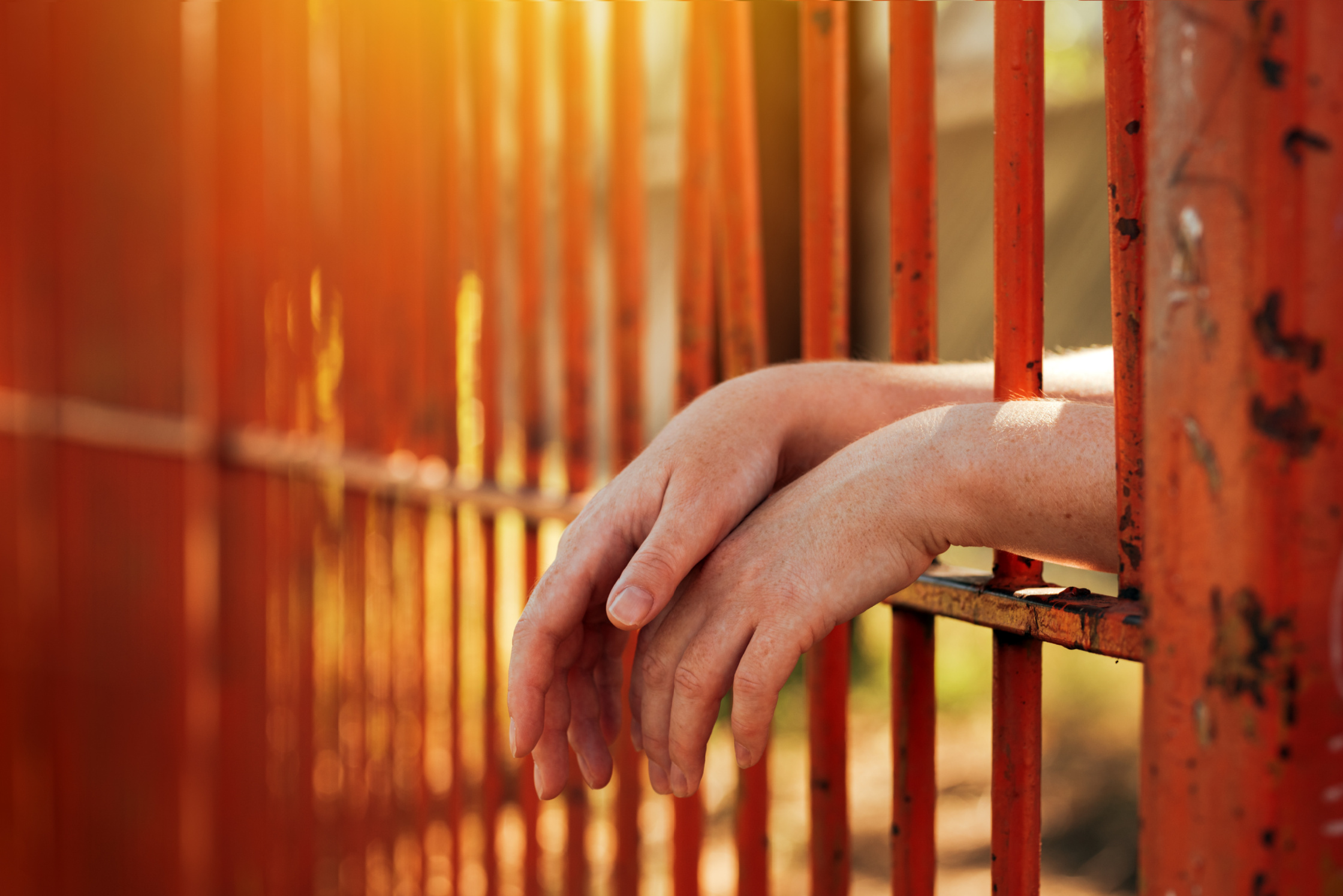
The other evening I was at an early childhood education lecture that spoke about childhood trauma. While I do train dogs, I am also a preschool teacher and am currently enrolled in an Early Childhood Development class to advance my career. Working with kids has always come easy to me, as I find that there is a great crossover between how dogs and children learn. During the lecture, the speaker defined trauma as the disruption of connection. To heal trauma, the connection must be reestablished. Children thrive when they feel secure, safe, seen, and are soothed when they are entering an emotional state (Credit: Prof.Daniel J. Siegel). Now, replace the word ‘children’ with ‘dogs’. If a dog does not feel safe, secure, or understood, especially a dog that has been through trauma, are we helping it heal? Are we reestablishing the connection to break the cycle of trauma?
Adoption Is Not Automatic Healing
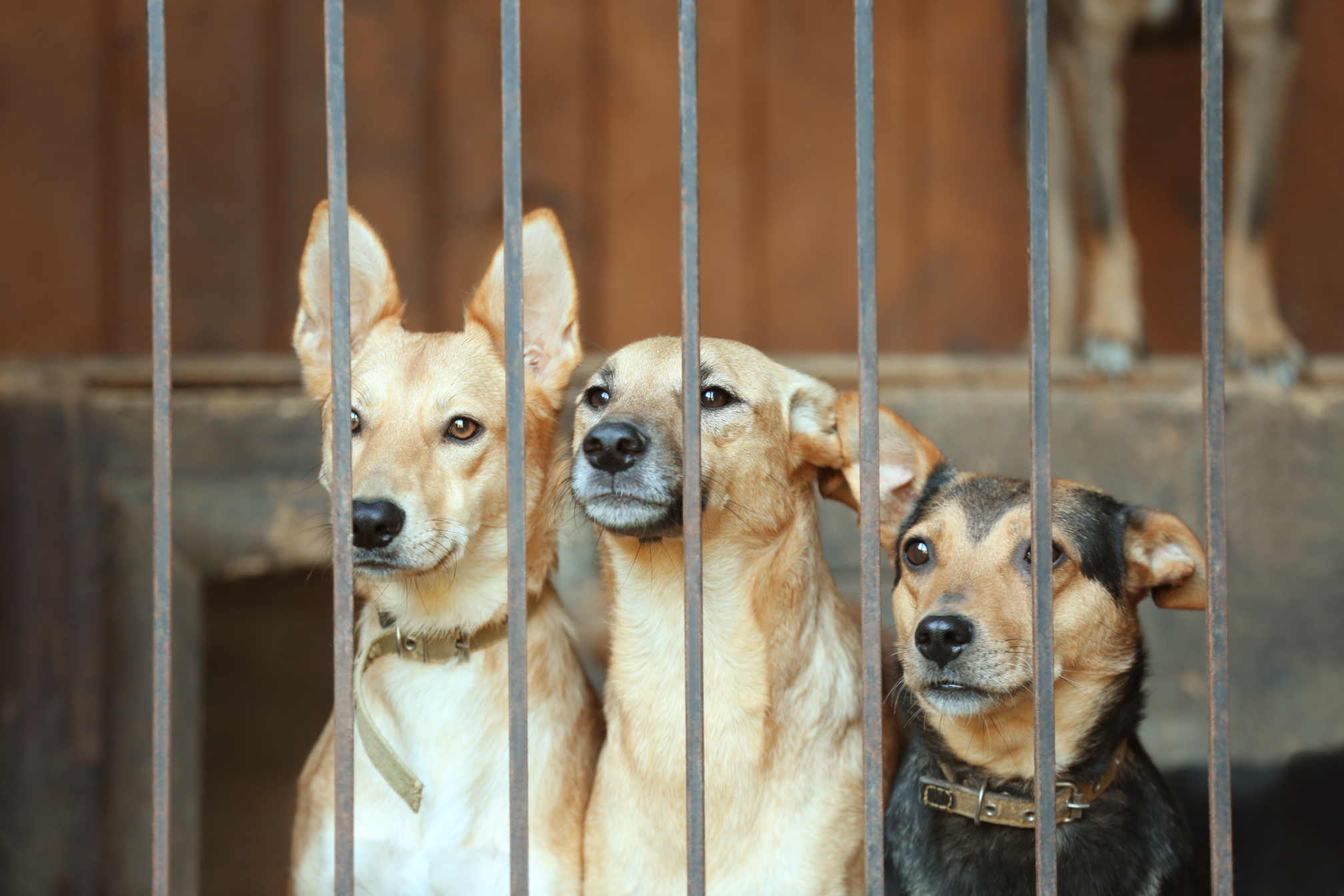
Many dogs come to their forever home through the rescue or shelter system. However, it is imperative to understand that adopting a dog does not automatically heal their trauma. And not ‘talking about it’, not addressing whatever issues they may have because they’ve ‘been through so much’ definitely does nothing in reestablishing a connection that will break the cycle. So after you adopt a dog that has a few quirks, what’s next?
Emmie’s Story: From Survival to Security
Allow me to tell you the story of Emmie. Emmie was rescued from the dog meat market in Korea. She spent the first 6months-year of her life on a farm with other dogs with minimal human contact. And I think it suffices to say that the human contact she did have wasn’t that positive. Fast forward to being pulled by a rescue and transported to Brooklyn. She was adopted by lovely people who gave her a warm home where she was fed and kept safe. However, all of these concepts were completely foreign to Emmie. While the dog farm was an awful place, it was all she knew. According to Emmie, that was life. Now these new people are here telling her that there is actually a better way to live, but she really wasn’t having it. Over several months, Emmie slowly became accustomed to her owners. A sense of security within her immediate space began to form. But that all fell apart when they tried to walk her. And when it came to try having other people come over to the house…forget it.
Building Trust, One Choice at a Time
I met Emmie when I was working at a board and train facility. Within 24hrs, she growled at anyone who came near her crate and would not let anyone touch her. When a dog is uncomfortable being touched, the best thing you can do is get a very long leash attached to them, which we managed to do, and from there, start building a relationship. After about 72hrs., Emmie was able to be led out of her crate by myself and a couple co-workers without fuss and started eating regular meals. We could get her outside, but she was not interested in sniffing anything and was in constant flight mode. I noticed that Emmie liked to climb and jump, so one day we went to the playground across the street and did urban agility. We climbed up and down steps, balanced on wall edges, and weaved around trees and bike stands. All the while, she was on a very long leash which gave her the choice to work away from me or close to me if she was feeling confident. I’ll also point out that at no point did I try to pet her. One day when we were done with our agility session, we went into the enclosed handball court. I decided to sit down, and put my back to her, holding the end of the leash. The leash was stretched out all the way, her back was to me, and she had no interest in engaging. But then, a few garbage trucks rolled by. Emmie hated garbage trucks. Since she couldn’t run away, but didn’t want to be standing alone at the end of a 20ft leash, she slowly walked backwards towards me. She needed soothing and old Emmie soothed herself by running away. But new Emmie was beginning to realize that humans could offer her an even greater sense of feeling safe and at ease. From that day on for the remainder of Emmie’s stay, our relationship got better. She became comfortable going on more formal walks on a shorter leash and even opened up to playing with some of us. One day towards the end of Emmie’s boarding experience we were out on a walk when a homeless man took us by surprise, yelling at us, and eventually approaching close enough for him to throw his drink in my face. The only reason I believe the situation did not escalate further was because of Emmie. Through all of her fears and insecurities, she didn’t try to pull, she didn’t panic, she stayed by my side. Emmie came to us in a state of trauma. But through training, we helped her feel safe, secure, and understood. The connection was reestablished and the trauma became just a chapter in her life, and not the full story.
Connection Changes Everything
One of the most beautiful traits about a dog is that they live in the moment. If that moment presents itself as beneficial to the dog and allows them to feel safe, secure, and understood, they will immediately begin to change. We build connections not just out of love, but by putting in the work to build a solid foundation…a relationship they can rely on!
RECENT

Hello Spring, Hello Plans
Dating
Indiana Case Sends Message
In The States
Why Boundaries ARE Love
Mans Best Friend

Disco Legends Set Sail in 2027
Entertainment
Why Your Environment Matters for Your Health and Mindset
Friday Fuel
A Simple Way to Reduce Stress This Week
Health & Wellness
Veterans Front and Center at Houston Rodeo
In Service
Leaders Survey Indiana Damage
In The States

Arizona Targets Youth Nicotine Sales
Health & Wellness
Corned Beef and Submarines? The Other March 17 Holidays
Holidays
BE THE FIRST TO KNOW
Want to stay in the loop? Be the first to know! Sign up for our newsletter and get the latest stories, updates, and insider news delivered straight to your inbox.
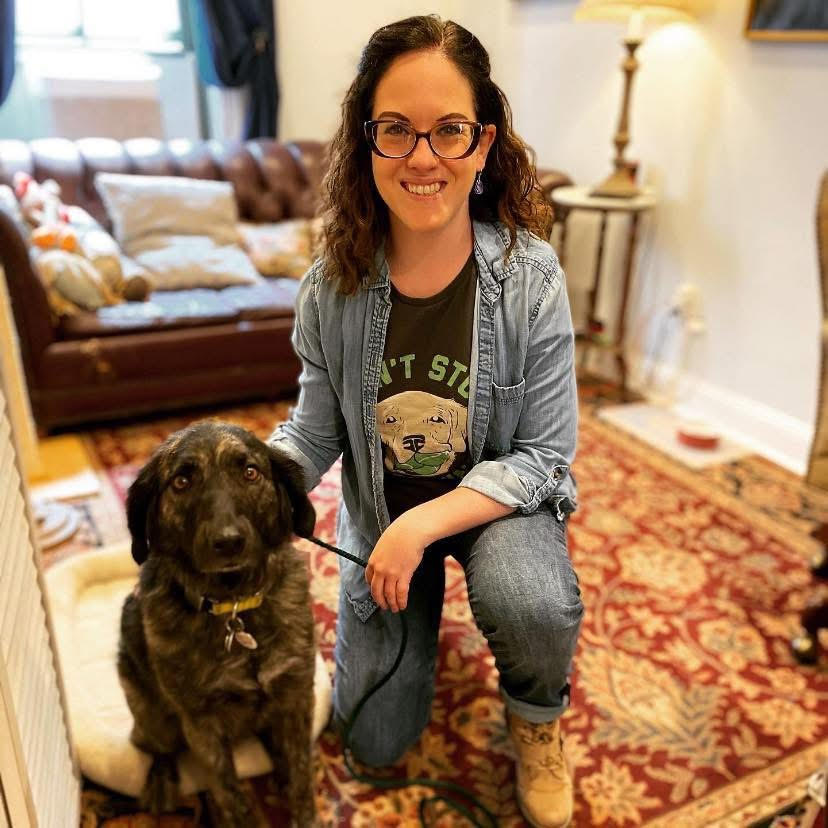
More Content By
Kate McCueWhy Boundaries ARE Love
Mans Best Friend
When Love Means Letting Go
Animals
Healing Trauma in Rescue Dogs Starts with Rebuilding Trust
Animals

Why Your Dog’s Diet Matters More Than You Think
Uncategorized
Patience, Perseverance, Perspiration
Mans Best Friend
Scent Work: Mental Exercise for Happier Dogs
Animals
It’s Just a Puppy! Or Is It?
Mans Best Friend
When Dogs Act Like Dogs, Everyone Wins
Mans Best Friend
Training Dogs Without a Treat Bag
Mans Best Friend
Why Breed Doesn’t Predict Therapy Dog Success
Mans Best Friend
View All Content By Kate McCue