Adobe Stock/WinWin
Before Romance Went to the Post Office
For most of American history, romance wasn’t something you bought in a store. Expressions of love were handwritten, personal, and private. Courtship letters were carefully composed, often saved for years, and sometimes shared only within families. Valentine’s Day existed, but it wasn’t yet the commercial event we recognize today.
The Woman Who Changed Valentine’s Day in America
In the 1840s, a young woman named Esther Howland from Worcester, Massachusetts, received an ornate Valentine from England. She was fascinated by the layered paper lace, colorful illustrations, and romantic verses. Seeing an opportunity, Howland began importing decorative materials and assembling Valentine cards by hand.
Her business took off. With help from friends and family, Howland produced and sold thousands of Valentine’s Day cards, helping to establish the tradition of exchanging printed Valentines in the United States. She is often credited with popularizing Valentine cards on a national scale, turning what had been a private expression into a shared cultural ritual.
The Rise of the American Postal Valentine
The growth of the U.S. Postal Service played a critical role in Valentine’s Day becoming a mass-participation holiday. As mail delivery became more reliable and affordable, sending a Valentine across town—or across the country—became easier.
By the late 1800s, Valentine’s Day had become one of the busiest mailing days of the year. People sent cards anonymously, playfully, or sincerely. Some Valentines were sentimental. Others were humorous or even satirical. The holiday became a way to express feelings that might have been difficult to say aloud.
How Commercialization Changed the Meaning of Romance
The rise of printed Valentines changed how Americans thought about romantic expression. Love became something you could purchase, package, and send. While some critics worried that commercial cards cheapened genuine feeling, others appreciated how accessible romance became.
Not everyone felt comfortable writing poetry or love letters. Pre-written messages gave people language when they struggled to find their own. Over time, this shifted expectations. Valentine’s Day became less about private correspondence and more about participating in a shared tradition.
Why Cards Still Matter in a Digital Age
Even in an era dominated by text messages and social media, Valentine’s Day cards endure. The act of choosing a card, writing a note, and physically sending or giving it carries a sense of intentionality that digital communication often lacks.
The tradition persists because it meets a timeless human need: expressing affection in a tangible way. What began as a printing innovation in 19th-century America became a lasting ritual of connection.
RECENT
Classic Country Duo Earns Top Honor
Entertainment

Speaker Matt Hall Promotes Student Literacy
Education
Chávez Day Under Review in Arizona
History
Crayons, Carbs, and Catastrophic Data Loss (Avoided)
Uncategorized
Bluegrass Duo Celebrates Milestone
Entertainment

Indiana Prosecutor Sends Clear Message on Child Neglect
Child Abuse
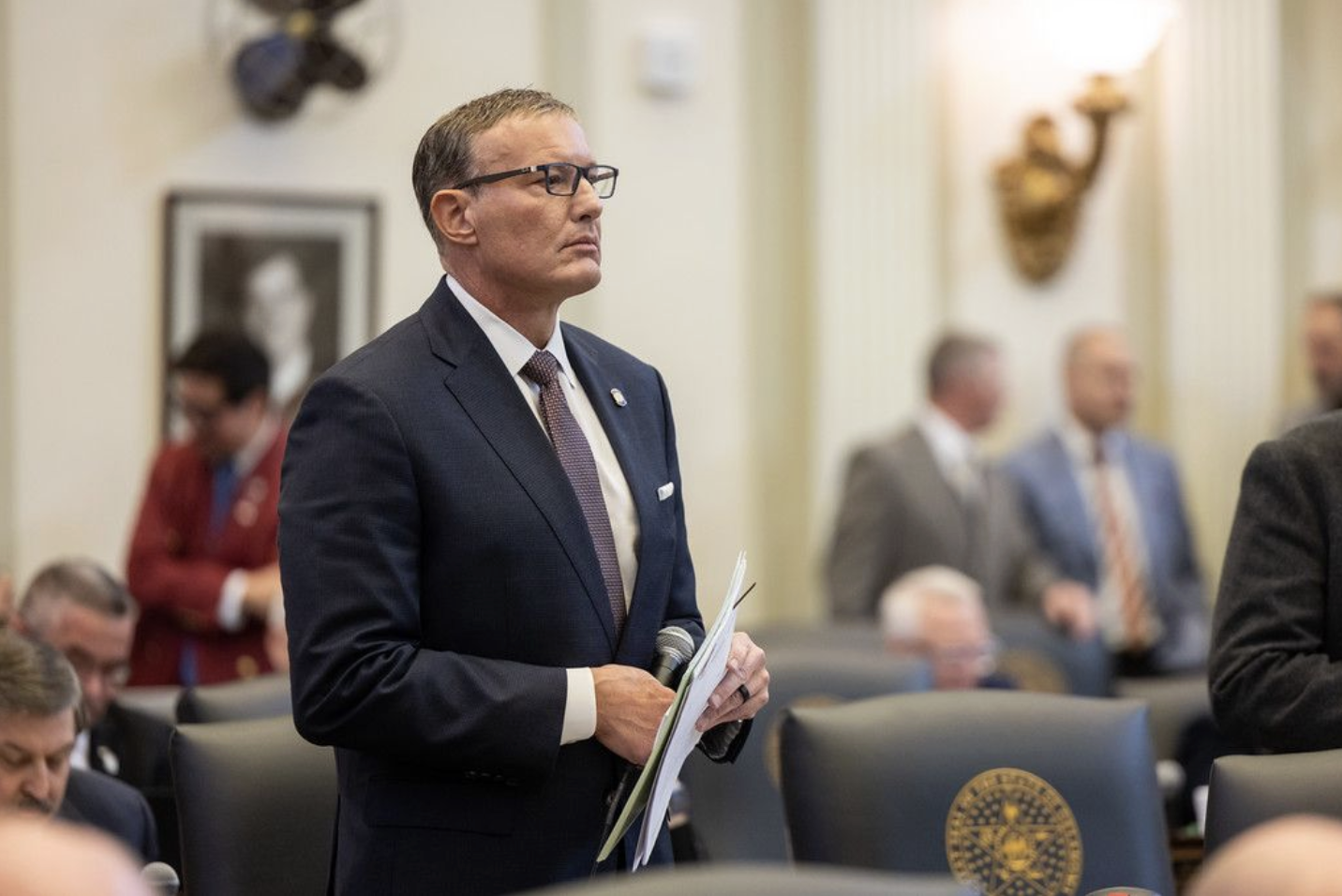
Oklahoma School Safety Bill Moves Forward
Education
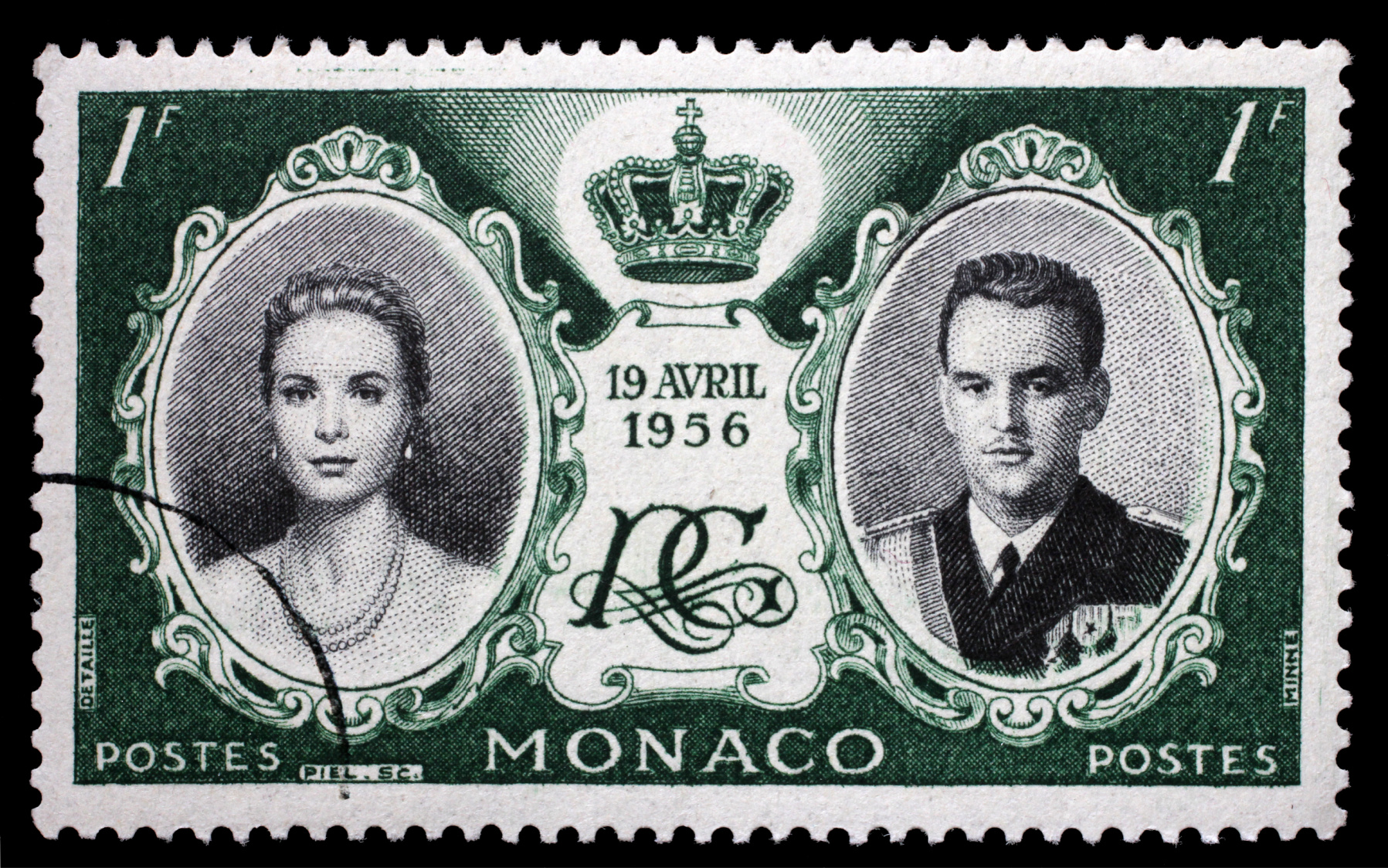
Grace Kelly: Irish Roots Behind an American Icon
Legends of the American Spirit
Strength Beyond Sight in Texas
In The States

You Might Be Speaking Irish Without Knowing It
Did You Know?
BE THE FIRST TO KNOW
Want to stay in the loop? Be the first to know! Sign up for our newsletter and get the latest stories, updates, and insider news delivered straight to your inbox.
More Content By
Think American News StaffClassic Country Duo Earns Top Honor
Entertainment
Speaker Matt Hall Promotes Student Literacy
Education
Chávez Day Under Review in Arizona
History
Bluegrass Duo Celebrates Milestone
Entertainment
Indiana Prosecutor Sends Clear Message on Child Neglect
Child Abuse
Oklahoma School Safety Bill Moves Forward
Education
Grace Kelly: Irish Roots Behind an American Icon
Legends of the American Spirit
Strength Beyond Sight in Texas
In The States
You Might Be Speaking Irish Without Knowing It
Did You Know?
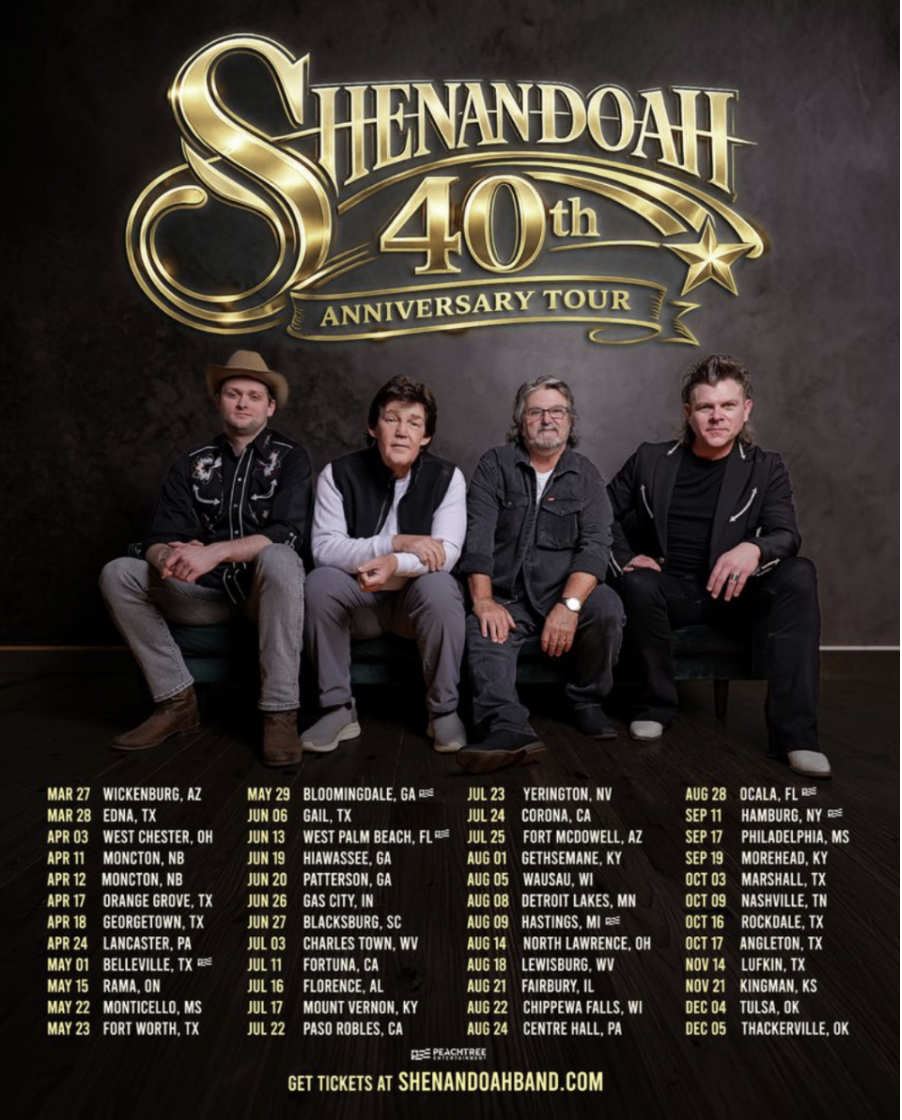
Country Legends Hit 40-Year Mark
Entertainment
View All Content By Think American News Staff