Adobe Stock/thebeststocker

The Love Story Behind the Holiday Isn’t as Sweet as the Cards
Valentine’s Day is now synonymous with flowers, cards, and candlelit dinners. But the origins of the holiday trace back to a time when love and marriage were acts of quiet defiance. Long before candy hearts and commercial romance, Valentine’s Day was tied to a story of resistance—one rooted in ancient Rome and a figure known as St. Valentine.
While many details of Valentine’s life have been shaped by legend over centuries, the enduring narrative centers on love practiced in secret, at a time when the state attempted to regulate it.
Marriage Was Once a Political Issue
In the third century, the Roman Empire was under immense military pressure. According to historical tradition, Emperor Claudius II believed unmarried men made better soldiers because they were less tied to home and family. As a result, marriage for young men was discouraged and, in some accounts, restricted.
Whether formal bans were widespread or localized, the larger reality remains: personal relationships were deeply affected by the demands of empire. Loyalty to Rome often came before loyalty to family.
Within that context, love became more than personal—it became political.
The Priest Who Defied the Edict
St. Valentine is traditionally described as a Christian priest who chose to perform marriages for couples in secret. These unions were small, quiet, and conducted under the cover of night. The intent wasn’t rebellion for rebellion’s sake—it was belief. Valentine believed in the sanctity of marriage and the right of couples to commit to one another.
These secret weddings carried real risk. The Roman state took unauthorized religious practices seriously, particularly as Christianity was still persecuted. Valentine’s actions, though grounded in compassion, were considered defiant.
He was eventually imprisoned.
From Prison Cell to Symbol of Love
According to tradition, Valentine continued to show kindness while imprisoned. One enduring legend claims he formed a bond with his jailer’s daughter and left her a farewell note signed “from your Valentine.” While historians debate the literal truth of this detail, the phrase itself endured.
Valentine was executed around February 14, becoming a martyr. Over time, the Church honored his sacrifice, and his name became associated not just with faith—but with devotion, love, and personal conviction.
How Romance Became Attached to February 14
Valentine’s story alone did not create Valentine’s Day as we know it. The romantic association grew later, during the Middle Ages, when poets and writers linked February with courtship and pairing. English literature, in particular, helped cement February 14 as a day connected to love.
Centuries later, the holiday evolved again in America, where printed cards and commercial gifts transformed a story of quiet resistance into a public celebration of romance.
Why the Origin Still Matters
Valentine’s Day didn’t begin as a marketing holiday. It began with a story about choosing love even when it came at a cost. While modern celebrations are lighthearted, the origin offers a deeper reminder: love has always been powerful enough to challenge authority, endure hardship, and outlast restrictions.
The next time Valentine’s Day arrives, it’s worth remembering that its roots are not just sentimental—they’re courageous.
RECENT

A Very American Tuesday: Puppies, Philly & Pours
Offbeat Observances

Cash or Card? New York Says Both
In The States

Country Newcomer Delivers Raw Finale
Entertainment

The Irish-American Legacy Behind Henry Ford’s Success
Legends of the American Spirit

Two Wins for Wisconsin Women
Health & Wellness
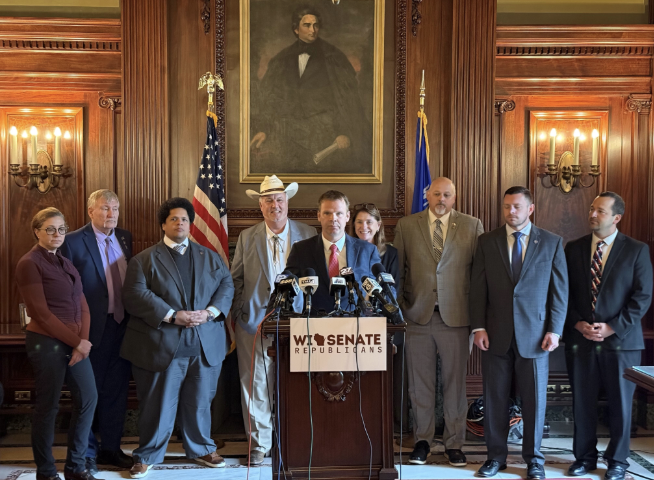
End of an Era: Devin LeMahieu Declines Reelection Bid
In The States

Kelly Lang Teases New Album with Latest Single
Entertainment

Pinch Me! The Story Behind Wearing Green
Did You Know?

Hello Spring, Hello Plans
Dating

Indiana Case Sends Message
In The States
BE THE FIRST TO KNOW
Want to stay in the loop? Be the first to know! Sign up for our newsletter and get the latest stories, updates, and insider news delivered straight to your inbox.

More Content By
Think American News StaffA Very American Tuesday: Puppies, Philly & Pours
Offbeat Observances
Cash or Card? New York Says Both
In The States
Country Newcomer Delivers Raw Finale
Entertainment
The Irish-American Legacy Behind Henry Ford’s Success
Legends of the American Spirit
Two Wins for Wisconsin Women
Health & Wellness
End of an Era: Devin LeMahieu Declines Reelection Bid
In The States
Kelly Lang Teases New Album with Latest Single
Entertainment
Pinch Me! The Story Behind Wearing Green
Did You Know?
Hello Spring, Hello Plans
Dating
Indiana Case Sends Message
In The States
View All Content By Think American News Staff