
Feb 05
Housing Market
Turning Abandoned Homes into Affordable Housing in Kentucky
Adobe Stock/egiadone
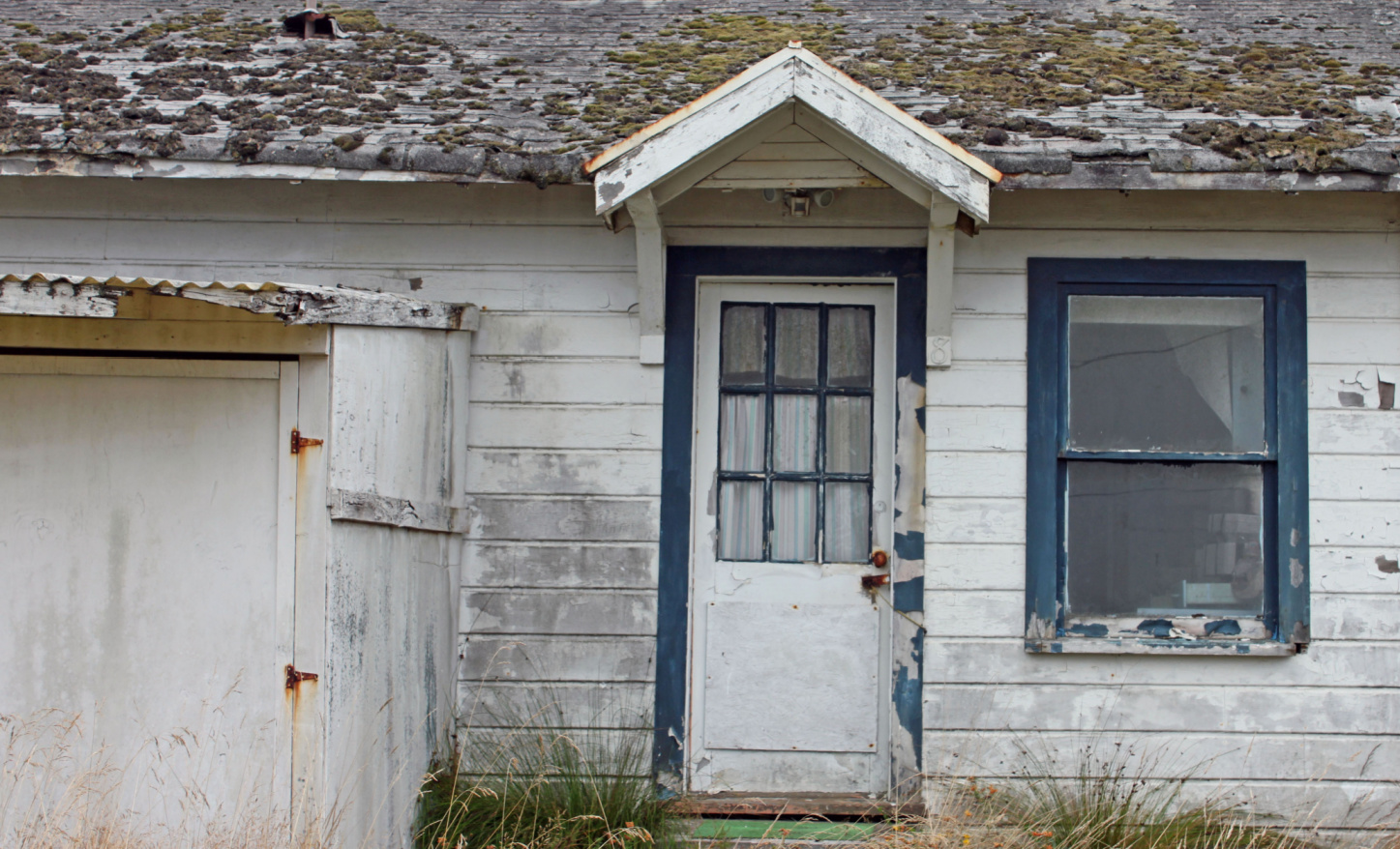
Turning Vacant Houses into Living Homes
Across Kentucky, long-vacant homes sit as quiet reminders of neighborhoods that once thrived. Senate Bill 142 aims to give those properties a second life — and give families a new place to call home. Filed by Sen. Brandon Smith, R-Hazard, the proposal is designed to tackle the commonwealth’s affordable housing shortage by transforming abandoned residential properties into safe, quality rental homes through a new initiative known as the Abandoned Home Pool Fund.
Rather than building from scratch, the program focuses on putting existing houses back into productive use. Homes that have sat vacant for at least a year and fallen into disrepair or code violations would become eligible for rehabilitation. The goal is twofold: expand the supply of affordable housing while also addressing blight and neighborhood decline that often accompanies long-abandoned properties.
A Long-Term Commitment to Affordability
Under the proposal, properties restored with Abandoned Home Pool Fund dollars would be required to remain affordable for at least 20 years. Rent would be calculated based on the actual cost of acquiring and rehabilitating the home, rather than fluctuating market rates. This structure is designed to keep housing within reach for working families and prevent speculation from driving prices beyond affordability.
Renters would need to earn no more than 120 percent of the area’s median income and complete a homeownership counseling course before signing a lease. That counseling requirement reflects the program’s broader emphasis on stability and long-term success, preparing tenants not just to rent responsibly, but to eventually step into ownership.
A Path from Renting to Owning
One of the most distinctive features of Senate Bill 142 is its built-in pathway to homeownership. Tenants who make consistent, on-time rent payments over time could ultimately earn the opportunity to purchase their home. After 240 monthly payments, title to the rehabilitated property would transfer to the renter, turning a long-term lease into a stepping stone toward ownership and wealth-building.
Even in difficult circumstances, the program includes a measure of protection for renters. If a tenant is evicted or voluntarily leaves after making at least 48 months of payments, they would receive 20 percent of what they paid back as a refund toward future housing. The intent is to ensure that renters who demonstrate commitment are not left with nothing to show for years of investment.
Partnering with Proven Nonprofits
Funding would be directed through Kentucky-based nonprofit organizations with at least five years of experience in housing development, home repair, or related work. These groups would acquire eligible properties, carry out rehabilitation, and manage rentals. The Kentucky Housing Corporation would administer the fund, issue public notices for applications, and approve funding based on competitive criteria.
The bill proposes appropriating $25 million to launch the Abandoned Home Pool Fund, with additional dollars flowing in through modest recording fees collected by county clerks. Funds would be used for acquiring properties, rehabilitation, major repairs, technical assistance, and limited administrative costs tied directly to expanding housing access.
Revitalizing Communities Alongside Housing
Affordable housing advocates have emphasized the need for solutions that expand housing supply while also strengthening neighborhoods. By targeting vacant and abandoned properties, Senate Bill 142 aligns housing access with community revitalization. Restored homes mean fewer boarded-up structures, fewer safety concerns, and more stability on blocks that have felt the weight of decline.
Smith framed the bill as a practical approach to both housing and stewardship of public resources, noting that it is intended to lift up neighborhoods while making efficient use of tax dollars. As the 2026 Legislative Session moves forward, the proposal positions abandoned houses not as liabilities, but as opportunities — opportunities for families to find stability and for communities to reclaim spaces that once stood empty.
RECENT

Indiana Targets Social Media Addiction Among Kids
Education

Grab Your Wife, Ralph Kramden — It’s Race Time
Bless Your Headlines

Three Silly Holidays Americans Are Celebrating on March 10
Bless Your Headlines

Wisconsin Targets Financial Exploitation
Finance

Wyze & The Tellers Release “This Ain’t That”
Entertainment

Trey Calloway Rolls Out “Truck Around”
Entertainment
The Irish Girl Who Opened Ellis Island
Culture

AJ’s Legacy Drives Road Safety in NY
Life & Death

Irish Americans Who Helped Build the United States
Did You Know?
Wisconsin Lawmaker Steps “On the Job” with Local Workers
Economy
BE THE FIRST TO KNOW
Want to stay in the loop? Be the first to know! Sign up for our newsletter and get the latest stories, updates, and insider news delivered straight to your inbox.

More Content By
Think American News StaffIndiana Targets Social Media Addiction Among Kids
Education
Wisconsin Targets Financial Exploitation
Finance
Wyze & The Tellers Release “This Ain’t That”
Entertainment
Trey Calloway Rolls Out “Truck Around”
Entertainment
The Irish Girl Who Opened Ellis Island
Culture
AJ’s Legacy Drives Road Safety in NY
Life & Death
Irish Americans Who Helped Build the United States
Did You Know?
Wisconsin Lawmaker Steps “On the Job” with Local Workers
Economy

Weekend Adventures Await
Dating
Four Centuries of Texas History Preserved in Major Map Donation
History
View All Content By Think American News Staff