Jan 20
Agriculture
Arizona Lawmaker Proposes Tax Relief for Water-Saving Canals
Adobe Stock/zaie

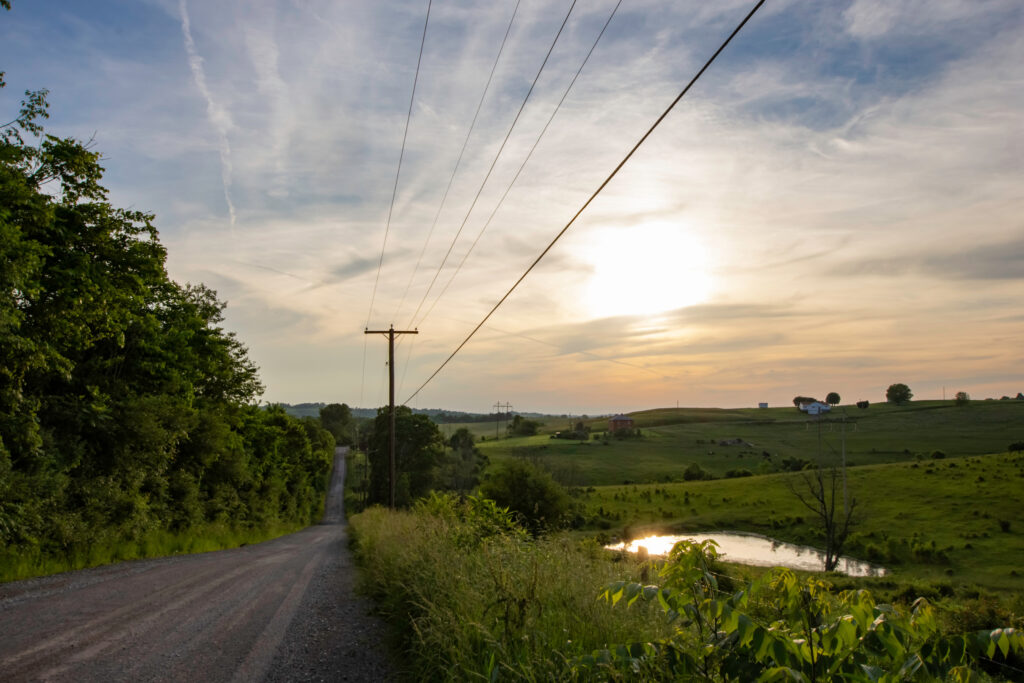
Arizona farmers could soon see meaningful relief on two fronts that hit families every day: food prices and water security.
State Representative Chris Lopez has introduced a new proposal aimed at eliminating the state transaction privilege tax on concrete and related materials used to improve and maintain irrigation canals. The goal is simple but impactful — make it more affordable for farmers to modernize irrigation systems, conserve water, and reduce the costs that ultimately show up at the grocery store.
By removing the tax burden on materials used to line canals and irrigation ditches, the proposal targets a practical challenge facing agriculture across Arizona, especially as water conservation becomes increasingly critical.
Why Irrigation Infrastructure Matters
Much of Arizona’s agricultural irrigation system relies on earthen canals that lose significant amounts of water through seepage. In some cases, water loss can account for 30 to 50 percent — or more — of the total volume being conveyed before it ever reaches crops.
Concrete-lined canals dramatically reduce those losses. By preventing water from soaking into permeable soils, lined systems improve efficiency, conserve water, and ensure more reliable delivery to farms. Beyond water savings, lining canals also reduces erosion, limits weed growth, and improves overall flow performance.
Over time, these improvements can result in thousands of acre-feet of water saved annually, while lowering maintenance costs for irrigation districts and farmers alike.
Cutting Costs From the Ground Up
The proposal applies broadly to materials and supplies used to improve or maintain irrigation ditches, lines, and canals on agricultural land. By eliminating the tax on prime contracting for these materials, farmers and irrigation districts can stretch limited infrastructure dollars further.
According to project estimates, canal lining initiatives funded through the Water Infrastructure Finance Authority of Arizona are projected to save between 135,000 and nearly 370,000 acre-feet of water over the life of various projects. At an estimated cost of just $2 to $3 per acre-foot saved, canal lining is widely considered one of the most cost-effective water conservation tools available to the state.
Removing taxes from these projects increases that return on investment — allowing more improvements to be completed with the same funding.
Water Conservation That Benefits Everyone
Representative Lopez emphasized that the proposal is rooted in everyday affordability concerns, not abstract policy debates.
“Converting dirt canals to concrete-lined canals saves thousands of gallons of water,” Lopez said. “That reduces pumping costs, energy use, and other expenses that go into producing food. Eliminating the tax on these improvements helps lower those costs even further while conserving water when it matters most.”
Lower production costs for farmers can translate into more stable food prices for consumers, particularly at a time when families are still feeling the effects of inflation.
A Practical Approach to Long-Term Water Security
Rather than creating new programs or mandates, the proposal builds on existing infrastructure efforts already underway across the state. By adjusting the tax code to support proven conservation strategies, it encourages proactive investment without adding bureaucracy.
Irrigation districts such as Buckeye Water Conservation & Drainage District, San Carlos Irrigation and Drainage District, and Roosevelt Irrigation District have already demonstrated the long-term benefits of canal lining projects. Expanding those efforts could help strengthen Arizona’s water resilience while supporting the agricultural economy.
As Arizona continues to navigate water scarcity and rising costs, the proposal highlights a straightforward idea: make it easier — and more affordable — to invest in solutions that work.
RECENT

National Cheese Lovers Day Isn’t Alone—and That’s the Point
Offbeat Observances
Prosecutor Diana Moers Pushes Stronger Animal Protection Laws
Animals

Wisconsin EMS Honors Adam Meshak for Service and Leadership
First Responders
George Washington Carver and the American Spirit
History

Country Stars Unite for ‘Keepin’ It Country Jam’
Entertainment
The Deadliest Winter Month
Uncategorized

Seasonal Gas Tax Suspension Proposed in AZ
Economy

Aaron Lewis Kicks Off Nationwide 2026 American Tour
Entertainment

‘Grow Your Own’ Plan Moves Forward in Kentucky
Education

It’s Just a Puppy! Or Is It?
Mans Best Friend
BE THE FIRST TO KNOW
Want to stay in the loop? Be the first to know! Sign up for our newsletter and get the latest stories, updates, and insider news delivered straight to your inbox.

More Content By
Think American News StaffArizona Lawmaker Proposes Tax Relief for Water-Saving Canals
Agriculture
Prosecutor Diana Moers Pushes Stronger Animal Protection Laws
Animals
Wisconsin EMS Honors Adam Meshak for Service and Leadership
First Responders
George Washington Carver and the American Spirit
History
The Deadliest Winter Month
Uncategorized
Seasonal Gas Tax Suspension Proposed in AZ
Economy
Aaron Lewis Kicks Off Nationwide 2026 American Tour
Entertainment
‘Grow Your Own’ Plan Moves Forward in Kentucky
Education

Chris Cagle Kicks Off Play It Loud 25th Anniversary Tour
Entertainment

Phone Down Kentucky Act Moves Forward
In The States
View All Content By Think American News Staff