
Adobe Stock/Seventyfour
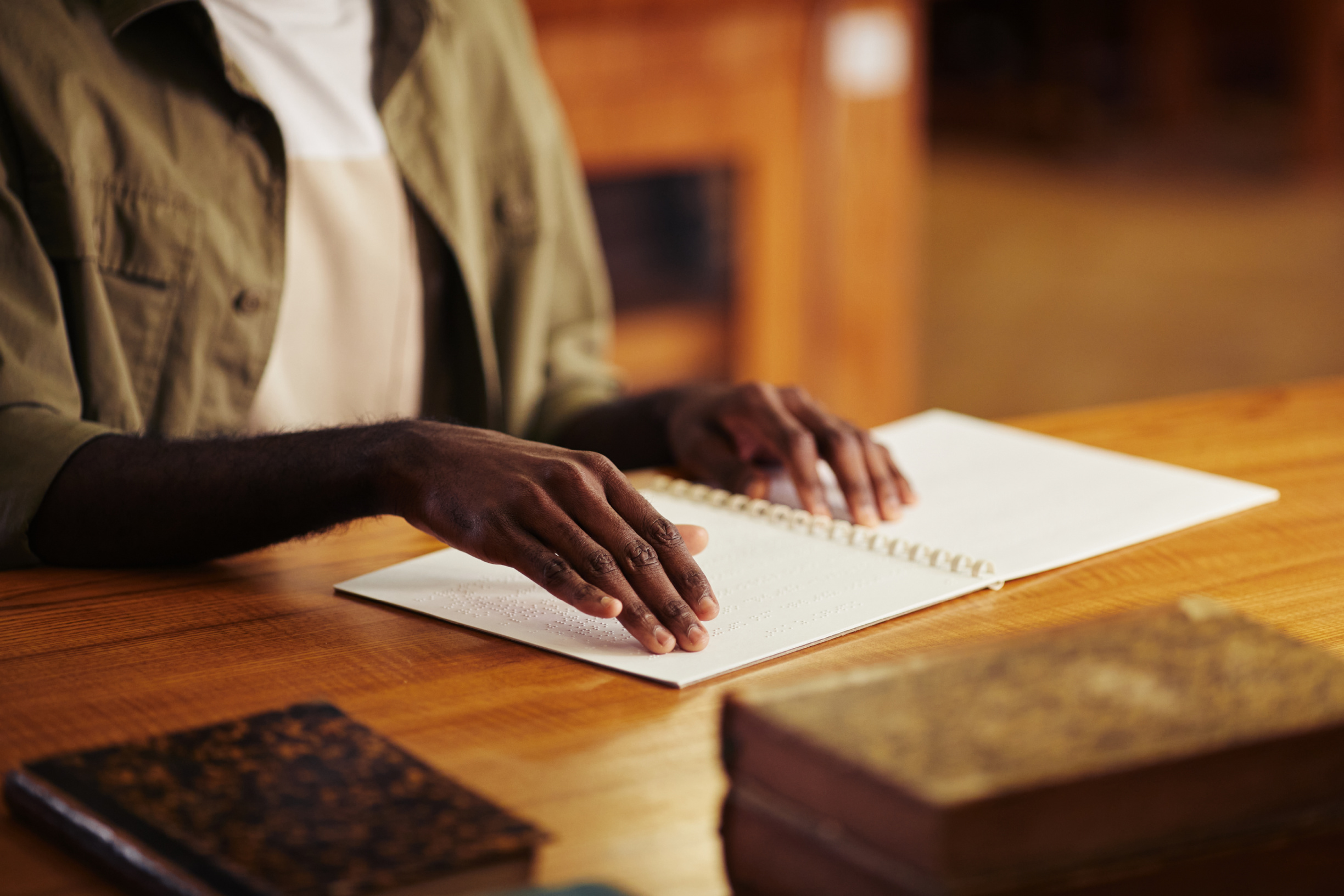
On January 4, Texans joined communities around the world in recognizing World Braille Day, a global observance that honors the enduring importance of braille in literacy, education, employment, and independence for people who are blind or have low vision. More than a symbolic acknowledgment, the day served as a reminder that access to information is foundational to full participation in society.
In recognition of the occasion, Governor Greg Abbott issued a formal World Braille Day Proclamation, reaffirming Texas’ long-standing commitment to accessibility, opportunity, and inclusion. The proclamation highlights braille as the cornerstone of literacy for blind and visually impaired students and underscores the state’s leadership in ensuring educational materials are accessible to all learners.
Why Braille Still Matters in a Digital World
While modern technology has expanded access in countless ways, braille remains irreplaceable. Unlike audio tools, braille enables direct engagement with written language—spelling, grammar, punctuation, and structure—skills that are essential for education, employment, and independence.
The proclamation emphasizes that braille is a tactile representation of language, using a standardized configuration of raised dots that offers the same expressive capacity as the printed alphabet. This tactile literacy allows individuals who are blind or visually impaired to fully participate in education, healthcare, and the workforce, helping them lead productive and fulfilling lives.
Studies conducted over the past three decades consistently show that early and proficient braille literacy is strongly correlated with higher education attainment, improved employment outcomes, and greater independence among people who are blind. In that context, braille is not simply an accommodation—it is a pathway to opportunity.
Texas’ Leadership in Accessible Education
Texas has long positioned itself as a national leader in braille accessibility. The proclamation notes that Texas was the first state in the nation to require textbook publishers to provide instructional materials in formats that are readily translatable into braille. That policy decision has had a lasting impact on students across the state, ensuring access is built into the system rather than added as an afterthought.
Educators who utilize braille in Texas classrooms were specifically commended for their dedication and expertise, recognizing their role in empowering students to reach their full potential. The proclamation describes braille as the foundation of literacy for the state’s blind and visually impaired students—a foundation that supports lifelong learning and independence.
Honoring the Legacy of Louis Braille
World Braille Day, officially celebrated since 2019, commemorates the birth of Louis Braille, whose innovation transformed access to written language for millions around the globe. His system has stood the test of time, remaining as relevant today as it was nearly two centuries ago.
The proclamation acknowledges braille’s profound global impact, noting that it continues to serve as an uplifting force in nations around the world. From classrooms to workplaces, braille remains a powerful equalizer—one that unlocks opportunity through literacy.
Addressing Low Braille Literacy Rates
Despite its importance, braille literacy rates remain low nationwide. Organizations across Texas and beyond are working to change that reality by raising awareness and expanding access to instruction.
The Governor’s Committee on People with Disabilities, along with partners such as the ACB Braille Revival League, continues to advocate for comprehensive braille education for students who are blind or have low vision. Their efforts are aimed at ensuring that every student has the tools needed to succeed academically and professionally.
To further highlight the issue, the Texas School for the Blind and Visually Impaired recently released a braille awareness podcast featuring longtime advocates Larry Johnson and Neva Fairchild. The episode explores the history of braille, its continued relevance, and why access to braille instruction remains critical for student success.
Voices Advocating for Literacy and Independence
Johnson and Fairchild are widely recognized for their expertise and unwavering advocacy for braille literacy. Their message is clear: students who are blind or have low vision deserve the same access to literacy as their sighted peers. Braille is not optional—it is essential.
The podcast encourages listeners to reflect on how braille empowers individuals to navigate education, careers, and daily life with confidence and independence. It also reinforces the importance of continued investment in braille instruction and educator training.
A Call to Observe and Engage
In closing the proclamation, Governor Abbott, joined by First Lady Cecilia Abbott, encouraged all Texans to observe World Braille Day through appropriate programs and activities. The call serves as an invitation—not only to recognize braille’s history, but to actively support efforts that expand access and literacy.
World Braille Day stands as a reminder that accessibility is not a niche issue. It is a reflection of shared values and a commitment to ensuring every individual, regardless of ability, has the opportunity to contribute, succeed, and thrive.
RECENT

Cash or Card? New York Says Both
In The States

Country Newcomer Delivers Raw Finale
Entertainment

The Irish-American Legacy Behind Henry Ford’s Success
Legends of the American Spirit

Two Wins for Wisconsin Women
Health & Wellness
End of an Era: Devin LeMahieu Declines Reelection Bid
In The States

Kelly Lang Teases New Album with Latest Single
Entertainment
Pinch Me! The Story Behind Wearing Green
Did You Know?

Hello Spring, Hello Plans
Dating

Indiana Case Sends Message
In The States

Why Boundaries ARE Love
Mans Best Friend
BE THE FIRST TO KNOW
Want to stay in the loop? Be the first to know! Sign up for our newsletter and get the latest stories, updates, and insider news delivered straight to your inbox.
More Content By
Think American News StaffCash or Card? New York Says Both
In The States
Country Newcomer Delivers Raw Finale
Entertainment
The Irish-American Legacy Behind Henry Ford’s Success
Legends of the American Spirit
Two Wins for Wisconsin Women
Health & Wellness
End of an Era: Devin LeMahieu Declines Reelection Bid
In The States
Kelly Lang Teases New Album with Latest Single
Entertainment
Pinch Me! The Story Behind Wearing Green
Did You Know?
Hello Spring, Hello Plans
Dating
Indiana Case Sends Message
In The States

Disco Legends Set Sail in 2027
Entertainment
View All Content By Think American News Staff