
Booker T. Washington and the Power of Building Slowly
Adobe Stock/HTGanzo
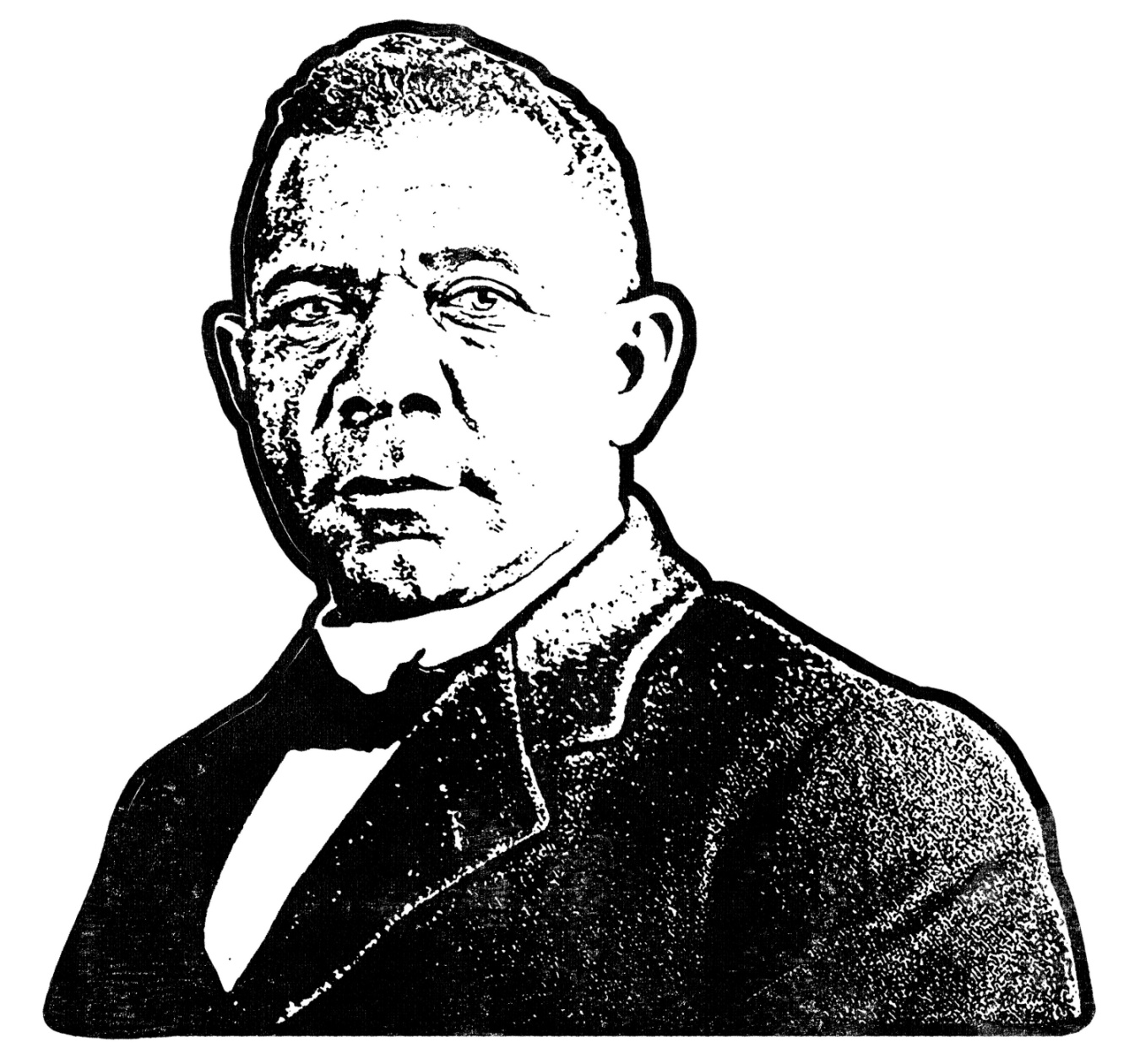
Building Character, Education, and Opportunity From the Ground Up
January is a month of foundations. It is when Americans pause after the noise of the holidays and ask harder questions about progress, responsibility, and direction. Few figures in American history embody those values more clearly than Booker T. Washington, a man who believed lasting change begins with discipline, education, and self-reliance.
Born into slavery in 1856, Washington entered the world with nothing promised to him—not freedom, not education, not opportunity. What he possessed instead was resolve. After emancipation, he worked tirelessly to gain an education, often laboring during the day and studying late into the night. For Washington, learning was not abstract. It was practical, transformative, and essential.
Education as the Foundation of Freedom
Washington believed education was the surest path to dignity and independence. But his vision extended beyond books alone. He championed vocational and technical education, arguing that skills, trades, and practical knowledge allowed individuals to build stable lives for themselves and their families.
This belief was not about limitation—it was about empowerment. Washington understood that economic independence creates leverage, confidence, and stability. Communities thrive when individuals are equipped to contribute meaningfully.
Tuskegee and the Long Game
As founder of Tuskegee Institute, Washington built an institution rooted in discipline, craftsmanship, and character. Students helped construct the campus themselves, learning responsibility alongside academics. This approach reflected Washington’s conviction that progress is not instant, but earned through sustained effort.
His philosophy was often misunderstood or oversimplified, but at its core was a deeply American belief: that advancement requires preparation, patience, and perseverance.
Why Booker T. Washington Matters in January
January is not about shortcuts. It’s about resolve. Washington’s life reminds Americans that lasting progress is built quietly, through daily effort and personal responsibility. His legacy is not one of flash or spectacle, but of endurance.
He belongs in Legends of the American Spirit because he represents the builder’s mindset—the belief that character, education, and work are the truest engines of change.
RECENT

New Arizona Committees Target AI Innovation and Rural Economies
Artificial Intelligence

If January 6 Had a Personality, It Would Be Unhinged
Holidays

Hoosier Students Get Inside Look at Lawmaking
Education

Serving Texans, Protecting Texas
In The States

Jan. 15 Is Key for Indiana Property Tax Savings
In The States

Why the New Year Didn’t Always Start in January
Did You Know?

Why “Eat Less” Is Failing Women Over 35
Friday Fuel

Winter Weekends Done Right: Events Happening Nationwide
America

A Healthier Year Begins With Awareness, Not Perfection
Health & Wellness

Medicaid Fraud Claims Spark Calls for Walz Resignation
Fraud
BE THE FIRST TO KNOW
Want to stay in the loop? Be the first to know! Sign up for our newsletter and get the latest stories, updates, and insider news delivered straight to your inbox.

More Content By
Think American News StaffNew Arizona Committees Target AI Innovation and Rural Economies
Artificial Intelligence
Hoosier Students Get Inside Look at Lawmaking
Education
Serving Texans, Protecting Texas
In The States
Booker T. Washington and the Power of Building Slowly
Legends of the American Spirit
Jan. 15 Is Key for Indiana Property Tax Savings
In The States
Why the New Year Didn’t Always Start in January
Did You Know?
Winter Weekends Done Right: Events Happening Nationwide
America
Medicaid Fraud Claims Spark Calls for Walz Resignation
Fraud
Neal McCoy Honored as the Spirit of Texas
Entertainment

Alabama Bill Targets Absentee Voting Access for Disabled Voters
Elections
View All Content By Think American News Staff