Dec 30
Elections
Alabama Bill Targets Absentee Voting Access for Disabled Voters
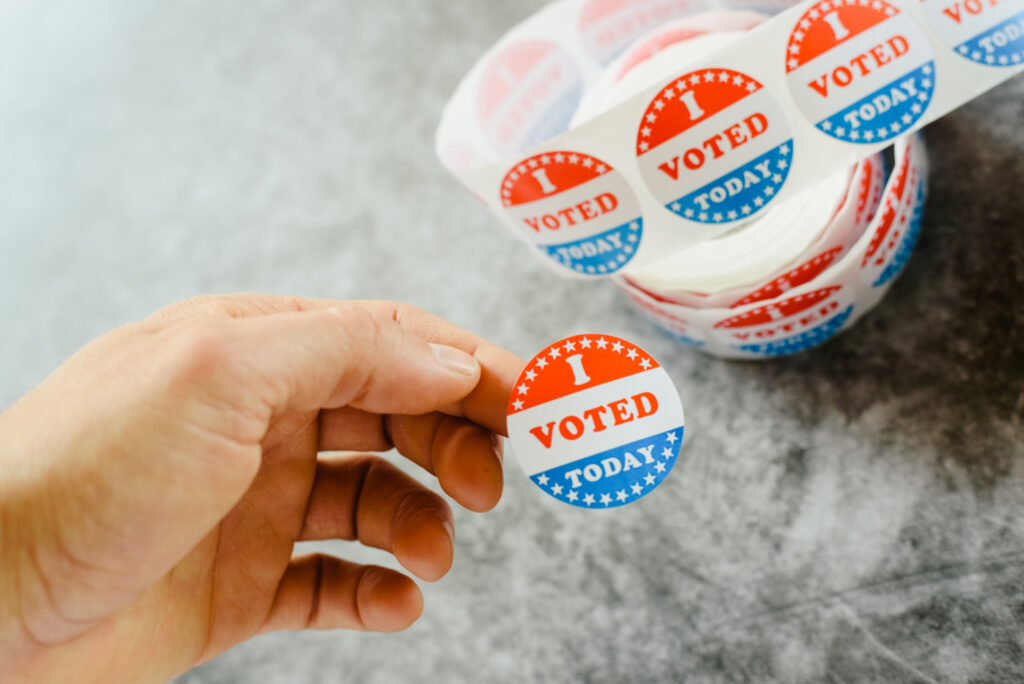
Adobe Stock/Valerii Apetroaiei

Alabama lawmakers are weighing a targeted update to the state’s absentee voting laws aimed at addressing a specific issue that has surfaced since the passage of stricter election integrity legislation in recent years. House Bill 45 (HB45), sponsored by Representative Adline Clarke, focuses on how voters with disabilities may submit absentee ballot applications and return completed absentee ballots, while leaving Alabama’s broader election safeguards firmly in place.
The proposal is not a wholesale rewrite of absentee voting law. Instead, it seeks to adjust one specific part of the process — the physical delivery of absentee voting materials — for voters who face physical or mental limitations.
How Absentee Voting Works Under Current Alabama Law
Under existing Alabama law, absentee ballot applications and completed ballots generally must be delivered by the voter themselves. Voters may hand-deliver materials in person, send them by U.S. mail, or use a commercial carrier. With limited exceptions for emergency medical treatment shortly before Election Day, third-party delivery is prohibited.
These restrictions were reinforced in 2024 as part of a broader election integrity effort. That legislation included criminal penalties for paid absentee ballot assistance and for providing prefilled absentee ballot applications, reflecting lawmakers’ concerns about ballot harvesting and election fraud.
Supporters argued those measures were necessary to protect voter confidence and ensure free and fair elections. Critics, however, warned that the rules could create challenges for voters with disabilities who rely on assistance simply to participate in the voting process.
What HB45 Proposes to Change
HB45 introduces a narrowly defined accommodation for voters with disabilities. Under the bill, a disabled voter would be allowed to designate another individual to deliver their absentee ballot application to the absentee election manager.
The bill defines “disability” as a physical or mental impairment that substantially limits one or more major life activities. Writing this definition directly into state law is intended to provide clarity for voters, election officials, and those assisting with the process.
Crucially, the bill does not allow designees to fill out or sign absentee ballot applications on a voter’s behalf. Applications must still be manually signed by the voter under penalty of perjury. Assistance is limited to completing the form if needed and handling the physical act of delivery.
Returning Completed Absentee Ballots
The same accommodation applies to the return of completed absentee ballots. Under HB45, a voter with a disability may designate an individual to hand-deliver the sealed ballot to the absentee election manager or send it by mail or commercial carrier.
All existing requirements for completing, sealing, witnessing, and notarizing absentee ballots remain unchanged. The bill does not alter how ballots are marked, verified, or processed — only how they may be physically delivered for voters who meet the disability definition.
Election Integrity Provisions Remain Intact
HB45 leaves Alabama’s strict prohibitions on third-party ballot assistance fully intact. It remains illegal for anyone to receive payment or gifts in exchange for distributing, collecting, completing, prefilling, obtaining, or delivering absentee ballot applications. Violations continue to carry serious felony penalties.
The bill also preserves the ban on distributing absentee ballot applications that are prefilled with voter information, a practice lawmakers have identified as a potential source of abuse.
In effect, HB45 expands access for a narrowly defined group of voters without reopening the door to broader third-party ballot collection or paid assistance.
Technical Updates to Election Code Language
In addition to its disability-related provisions, HB45 includes several nonsubstantive and technical updates to Alabama’s election code. These changes clarify envelope terminology, reorganize absentee voting instructions, and update language to reflect current administrative practices.
Broader Context of Recent Alabama Election Laws
HB45 follows intense debate in Alabama over absentee voting rules. In 2024, the state enacted legislation sponsored by Republican lawmakers, including Senator Garlan Gudger, that criminalized certain forms of absentee ballot assistance, particularly when money or prefilled materials were involved. According to the Alabama Reflector, supporters said the law was essential to protecting election integrity, while critics raised concerns about its impact on voters with disabilities.
HB45 appears to respond to those concerns without dismantling the framework established by earlier reforms. By limiting assistance to delivery only and clearly defining eligibility, the bill seeks to strike a balance between access and security.
A Bipartisan Effort to Fine-Tune Election Law
While election policy often divides along partisan lines, HB45 reflects a more pragmatic approach. The bill does not roll back existing protections or expand absentee voting broadly. Instead, it fine-tunes the mechanics of the process to account for real-world challenges faced by voters with disabilities.
If enacted, HB45 would take effect immediately upon approval by the governor or otherwise becoming law. Its impact would be limited and specific, applying only to voters who meet the bill’s disability definition and only to the delivery of absentee voting materials.
As states nationwide continue to revisit absentee voting rules in the aftermath of pandemic-era changes and renewed election integrity debates, Alabama’s HB45 offers a narrowly tailored example of how legislatures are attempting to balance voter access with election confidence — without rewriting the rules entirely.
RECENT

The Most Honest Day of the Year Is December 30
Offbeat Observances

Cities Feel the Squeeze as State Costs Shift Downward
Economy

Norman Rockwell and the American Christmas
Legends of the American Spirit

Before Christmas: The Origin of “Jingle Bells”
Did You Know?

One Bad Day Isn’t the Problem — Quitting Is
Friday Fuel

America’s Weekend Lineup
Dating

Why Christmas Memories Matter More Than the Gifts
Holidays

The True Meaning of the Holiday Season
Health & Wellness

DHS, ICE Arrest Convicted Fentanyl Trafficker in Arizona
Immigration

Michigan Troops Receive Holiday Call From Governor Whitmer
Holidays
BE THE FIRST TO KNOW
Want to stay in the loop? Be the first to know! Sign up for our newsletter and get the latest stories, updates, and insider news delivered straight to your inbox.

More Content By
Think American News StaffAlabama Bill Targets Absentee Voting Access for Disabled Voters
Elections
Cities Feel the Squeeze as State Costs Shift Downward
Economy
Norman Rockwell and the American Christmas
Legends of the American Spirit
Before Christmas: The Origin of “Jingle Bells”
Did You Know?
America’s Weekend Lineup
Dating
Why Christmas Memories Matter More Than the Gifts
Holidays
DHS, ICE Arrest Convicted Fentanyl Trafficker in Arizona
Immigration
Michigan Troops Receive Holiday Call From Governor Whitmer
Holidays

Arizona Lawmaker Joins Regional Leadership Program
In The States

How Wisconsin’s Challenge Academy Is Changing Lives
In Service
View All Content By Think American News Staff