Adobe Stock/Dilok

Winston Group: Why Voters Are Still Focused on Affordability
According to David Winston of the Winston Group, the current debate over affordability isn’t about a sudden political narrative shift—it reflects a concern voters have been carrying for years. While some Republicans believe Democrats’ recent emphasis on cost of living is strategic, Winston Group discussion points show the issue has been “hiding in plain sight” since early 2021.
Last fall’s election made voters’ intentions clear: they wanted a change in economic direction. President Trump and Republicans were handed a straightforward mandate—address inflation and reduce the pressure families feel from rising costs. Importantly, voters are not only measuring progress since January 2025, but comparing today’s economy to January 2021, when policies under President Biden coincided with the highest inflation in four decades.
A Clear Way to Measure What Families Feel
To illustrate this, the Winston Group uses a “Presidential Inflation Rate” methodology, comparing the current Consumer Price Index (CPI) to the CPI in the inaugural month of the Biden administration. The chart tracks three lines: cumulative price increases, growth in weekly wages, and the gap between the two.
Prices Outpaced Paychecks Under Biden
The data shows cumulative inflation under Biden reached 21.4 percent and has continued rising to roughly 23.9 percent. Over the same period, weekly wages increased just 16.7 percent. The result was a 4.8 percent loss in purchasing power—meaning households fell behind even as paychecks grew.
Progress, But Is It Enough?
Since President Trump’s return to office, that gap has narrowed from 4.8 percent to about 3.2 percent. While that signals improvement, Winston Group discussion points raise a critical question: at what point do voters actually feel relief? When families shop for groceries or pay household bills, does this progress translate into real confidence?
Trend or Anomaly?
Finally, questions remain about recent data showing a drop in prices, which even the New York Fed chair noted may reflect differences in data collection. Whether that decline signals a lasting trend or a one-month anomaly remains an open question.
RECENT

California Moves to Rename Chávez Day
In The States

A Very American Tuesday: Puppies, Philly & Pours
Offbeat Observances

Cash or Card? New York Says Both
In The States

Country Newcomer Delivers Raw Finale
Entertainment

The Irish-American Legacy Behind Henry Ford’s Success
Legends of the American Spirit

Two Wins for Wisconsin Women
Health & Wellness
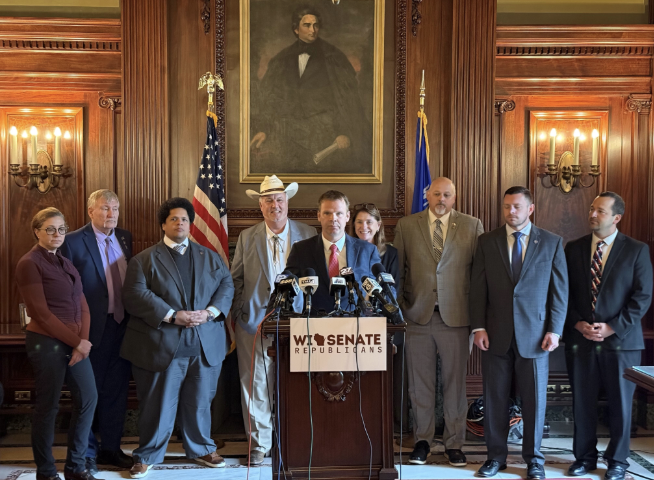
End of an Era: Devin LeMahieu Declines Reelection Bid
In The States

Kelly Lang Teases New Album with Latest Single
Entertainment
Pinch Me! The Story Behind Wearing Green
Did You Know?

Hello Spring, Hello Plans
Dating
BE THE FIRST TO KNOW
Want to stay in the loop? Be the first to know! Sign up for our newsletter and get the latest stories, updates, and insider news delivered straight to your inbox.
More Content By
Think American News StaffCalifornia Moves to Rename Chávez Day
In The States
Cash or Card? New York Says Both
In The States
Country Newcomer Delivers Raw Finale
Entertainment
The Irish-American Legacy Behind Henry Ford’s Success
Legends of the American Spirit
Two Wins for Wisconsin Women
Health & Wellness
End of an Era: Devin LeMahieu Declines Reelection Bid
In The States
Kelly Lang Teases New Album with Latest Single
Entertainment
Pinch Me! The Story Behind Wearing Green
Did You Know?
Hello Spring, Hello Plans
Dating

Indiana Case Sends Message
In The States
View All Content By Think American News Staff