
Nov 17
In The States
New Push in Wisconsin to Set Wolf Population Target and Update Dog Regulations
Adobe Stock/Miller_Eszter/stock.adobe.com
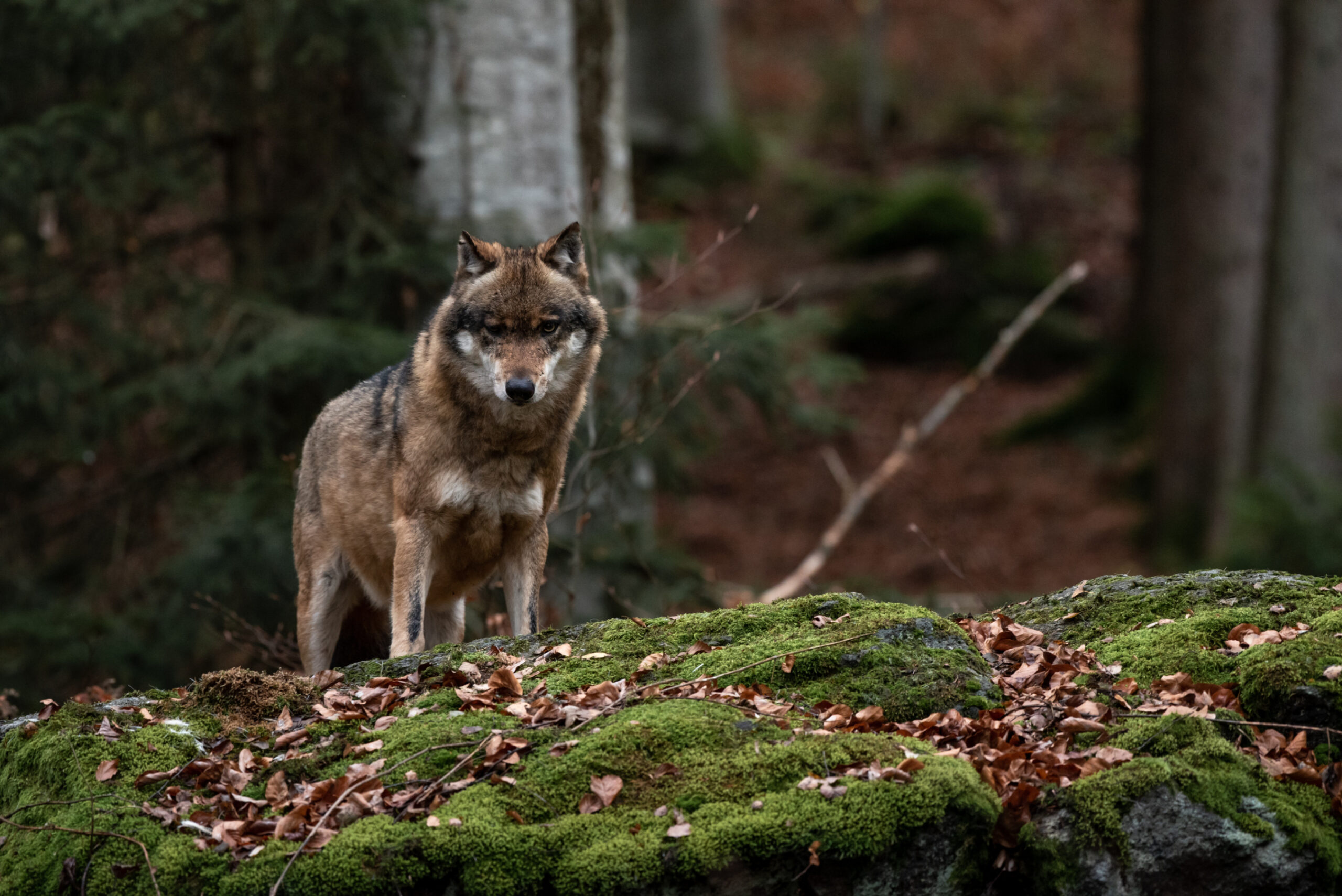
Wisconsin lawmakers have revived a measure that would require the state to adopt a numeric population goal for gray wolves—one that would guide management decisions should the species ever be delisted. The Assembly also reintroduced a separate proposal easing northern dog-handling rules, marking two key developments for outdoor policy in the Northwoods.
Renewed Push for a Statewide Wolf Population Goal
Lawmakers reintroduced the wolf-management proposal this session after a similar version passed the Legislature in 2023 but was vetoed. The latest measure, again led by Rep. Chanz Green and Sen. Rob Stafsholt, requires the Wisconsin Department of Natural Resources to include a specific numerical goal for gray wolves in its management plan whenever the species is not listed as endangered. The DNR would retain the authority to determine the actual number.
This question—whether to set a firm population target—has been one of the most debated wildlife issues in Wisconsin over the past several years. Rep. Green said in his release that “every successful management plan has a set goal,” noting that although the DNR consulted residents while crafting its current wolf plan, “it does not have a set population number.” He added that northern constituents have consistently expressed frustration with the lack of clarity. “Wolves are an issue up in my neck of the woods, and it is time the people in Madison wake up to this reality in Northern Wisconsin.”
The push comes in response to the 2023 Natural Resources Board decision to shift away from the previous benchmark of roughly 1,000 wolves. Instead, the board adopted a zone-based approach that sets desired population ranges rather than a single target. Supporters of Green’s requirement—often hunters, landowners, and agricultural groups—say a clear number provides transparency and prevents the state from allowing what they see as unchecked growth in wolf territory. Several wildlife and conservation groups, however, argue that rigid population goals ignore ecological complexities and can lead to politically driven quotas.
Because a federal court restored endangered species protections for gray wolves in 2022, Wisconsin cannot currently hold a wolf hunt. The population goal would only become actionable if federal status changes, but supporters say now is the time to ensure clear guidelines are in place.
Repealing Northern Wisconsin’s Leash and Training Restrictions
The second measure repeals multiple administrative code sections that imposed stricter dog-handling rules in the northern half of Wisconsin. These rules made it a violation if a dog off-leash barked at or pursued wildlife during certain months—regardless of whether the owner intended to hunt or train the dog.
Rep. Green called the northern-only rules unfair, saying in the release that they “discriminate against those north of the arbitrary line compared to Southern Wisconsin.” He noted the rules were originally created to limit improper off-season training of bear hounds but said today’s regulated bear dog training season already covers those concerns. “These rules have outlived their time,” he said, adding that aligning regulations statewide would make enforcement clearer and more equitable.
Supporters of the repeal—including many hound hunters—view the change as long overdue. Opponents, including some wildlife advocates, worry that eliminating the restrictions could increase disturbances to young or vulnerable wildlife during spring and early summer.
Additional Outdoor Measures Receive Support
Rep. Green also supported several other outdoor and recreation-related actions, including a resolution marking the 50th anniversary of the American Birkebeiner ski race, a bill increasing supplemental snowmobile trail aid, and a requirement that individuals under age 18 complete an in-person field day before receiving hunter education certification.
Looking Ahead
With the wolf-management requirement now awaiting the governor’s decision and the dog-handling repeal moving to the Senate, Wisconsin’s debate over wildlife and outdoor policy remains active and deeply rooted in regional experiences. For northern communities, the measures represent long-standing concerns finally gaining statewide attention.
RECENT

Arizona House to Honor Crew of PCU Arizona
In Service

Classic Country Comes Alive on LIVE WIRE
Entertainment

Arizona House Toughens Sexual Extortion Law
In The States

Deli Meats & Democracy
Uncategorized

Michigan Students Invited to Compete for “Representative for a Day”
Education

A Statewide Celebration of Stories, Learning, and Lifelong Literacy in Michigan
Education

Marcell Highlights Sextortion Prevention
In The States
How Frederick Douglass Helped Move America Forward
History

William Lee Golden Releases Golden Memories
Entertainment

One Constitutional Amendment Took 203 Years to Pass
Did You Know?
BE THE FIRST TO KNOW
Want to stay in the loop? Be the first to know! Sign up for our newsletter and get the latest stories, updates, and insider news delivered straight to your inbox.

More Content By
Think American News StaffArizona House to Honor Crew of PCU Arizona
In Service
Classic Country Comes Alive on LIVE WIRE
Entertainment
Arizona House Toughens Sexual Extortion Law
In The States
Michigan Students Invited to Compete for “Representative for a Day”
Education
A Statewide Celebration of Stories, Learning, and Lifelong Literacy in Michigan
Education
Marcell Highlights Sextortion Prevention
In The States
How Frederick Douglass Helped Move America Forward
History
William Lee Golden Releases Golden Memories
Entertainment
One Constitutional Amendment Took 203 Years to Pass
Did You Know?
2026 Nurses Day at the Capitol Draws Hundreds to Madison, WI
Health & Wellness
View All Content By Think American News Staff