Adobe Stock/Audrey/stock.adobe.com
The Common Struggles of Unsettled Dogs
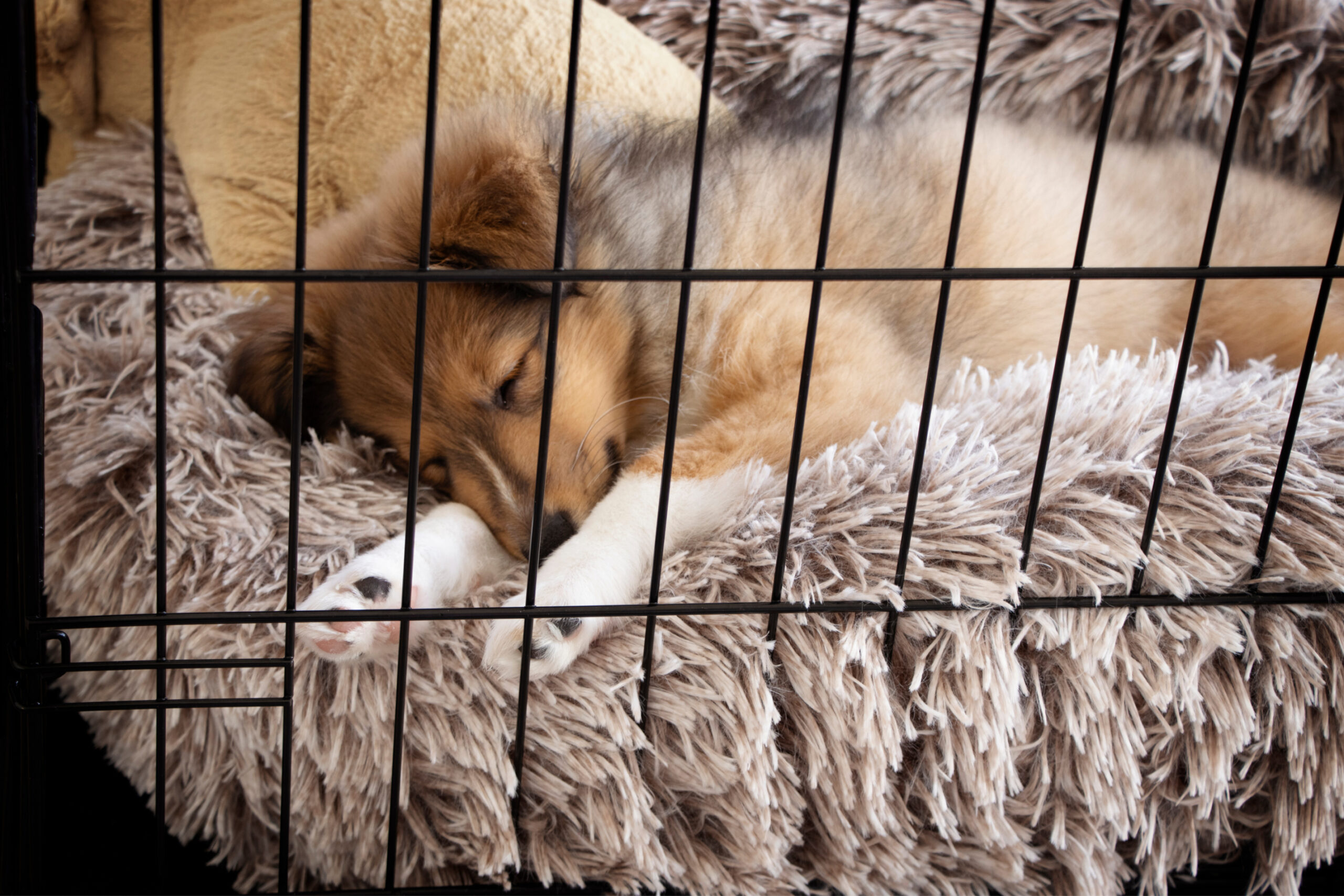
The story never gets old. My dog barks like crazy and can’t settle when I leave the house. My dog reacts negatively towards guests when they come into the house. My dog destroys the home when left unattended. And the list goes on. We all know the negative impacts of behavior like this. You become a prisoner in your own home. Your dog bites someone who comes over. Your dog ingests something they destroyed that requires surgery to remove which will cost thousands of dollars/might even cost your dog their life. People wish that there was a simple solution to these problems. And you know what? There is! The solution is so simple that some people have a really hard time fully grasping its simplicity and effectiveness. However, the solution is sold in every major dog supply store AND your dog will embrace it…if you do as well. It’s called….a crate!
Dogs and Their Dens
Dogs are naturally den-like animals. They gravitate to small, cozy places where they can relax and rest. Think about it: under the coffee table, the small space in between the ottoman and the couch, the cozy corner under the window in your living room. For some dogs, these spaces are enough to help them find their zen. However, some dogs require a more established den. One that separates them from the chaos of the house where they can tune the world out and tune in to some much needed R&R. Some dogs need support…relaxing. Supplying them with a crate supports them not only psychologically but speaks to their natural inclination to ‘den’.
Safe Space
Crates are a safe space. They are an area that belongs exclusively to your dog. For some dogs, constantly being exposed and having to share their space can stress them out. If this stress is not allowed to decompress, it builds. And when stress builds, it eventually hits a boiling point. If your dog is reactive to strangers coming into the home, the first thing we can do for them is change their perception of people coming inside. This can start by having them calmly hang out in their crate until it is time to formally introduce them to the guest. The crate is where the calm starts and the goal is that they carry this calm memory over with them when it comes time to interact.
Direction and Discipline
Crates offer solid direction. If your dog has separation anxiety or simply destroys things when you leave them unattended, it means that they literally cannot cope without some sort of game plan. In their minds, you are the one with the plan. And when you leave them alone, the lack of a plan makes some panic or makes others think it’s party time! The crate takes your place! If you are going to work, or working from home and need to disengage, placing your dog in a crate tells them that this is the job you need them to do until you come back. You need them to stay calm, relax, nap, and recharge their battery. The alternative is a dog who stays in a panicked state, or costs you thousands of dollars in damages and potentially ingests something that costs them their life.
Crate Training as Positive Restraint
I’ve met many people that say they are not a ‘crate person.’ And in the same breath, have just described training issues to me that are the direct result of being overstimulated and not understanding boundaries. Issues that a crate can give much needed perspective to and in most cases, solve the problem instantly. Saying you’re not a crate person is like saying you’re not a seat belt person. A seat belt, like a crate, is positive restraint. Seat belts aren’t needed, until they are…and we wear them every time we are in a car just in case. A crate keeps your dog settled, focused, and its use as a proactive tool in your dog’s life as opposed to punitive or simply not at all, will create more positive behaviors and less problems that you now need to resolve. Crates come in all shapes, sizes, and designs. The intensity of your dog’s issues will dictate what kind of crate is best for them. But the absence of a crate entirely from your dog’s routine is denying them a practice that not only comes naturally to them, but that they yearn for and benefit from immensely.
RECENT
Michigan Lottery Hits $1B for Schools Again
Education

The Meaning Hidden in January’s Name
Did You Know?
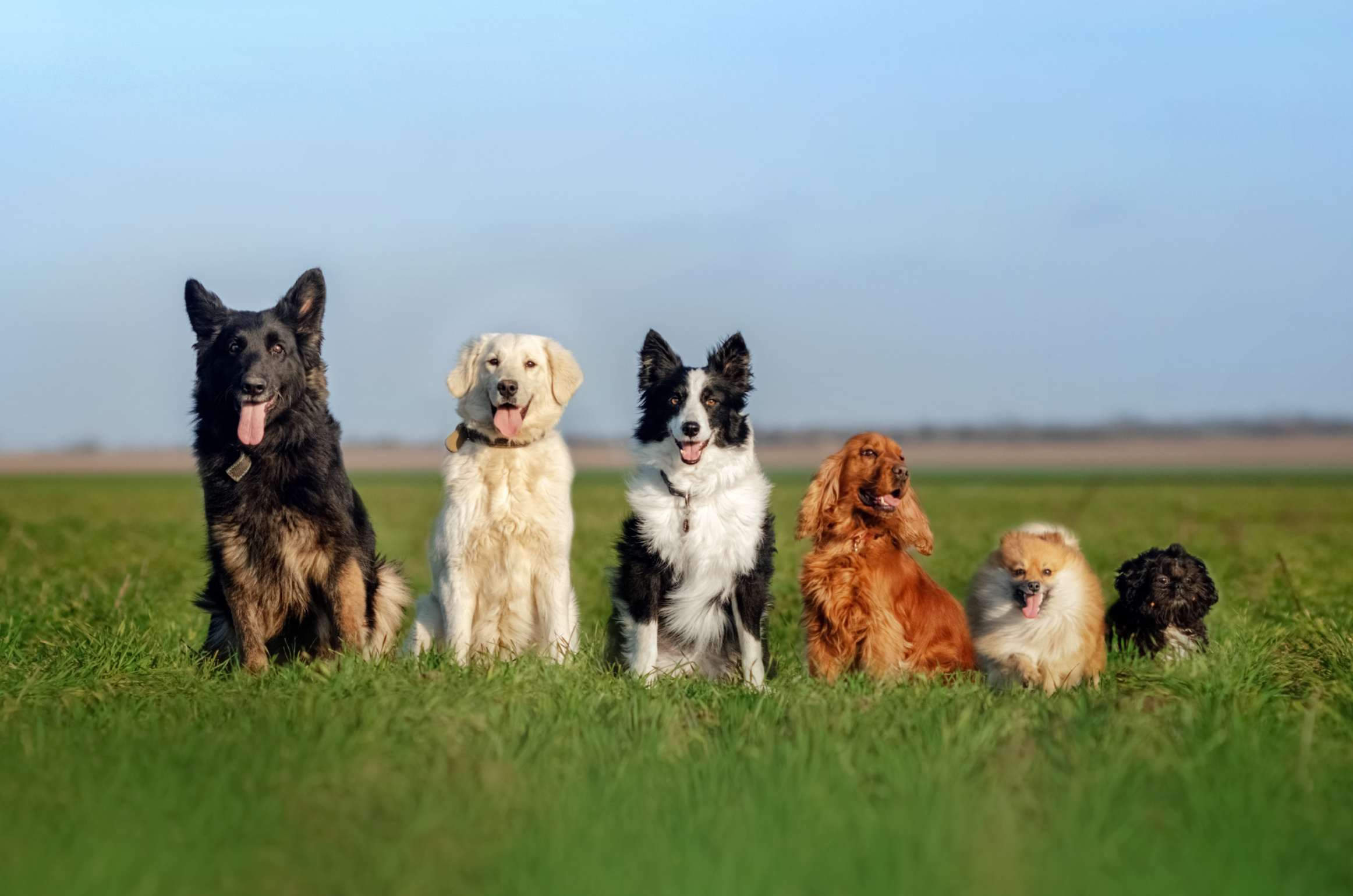
When Dogs Act Like Dogs, Everyone Wins
Mans Best Friend
Why This January Weekend Is Bringing Americans Together
Childhood
Who Will You Be in 2026? It’s Decided by These Two Habits
Friday Fuel

Rasel Proposes Mandatory Ideology Course
Communism

Bill Aims to Keep Data Center Costs Off Utility Bills
In The States

Kentucky Mom Backs Phone-Down Bill
In The States
Simple Daily Habits That Support Your Whole Self
Health & Wellness

Braille Literacy Spotlighted in Texas
Disability Advocacy
BE THE FIRST TO KNOW
Want to stay in the loop? Be the first to know! Sign up for our newsletter and get the latest stories, updates, and insider news delivered straight to your inbox.
More Content By
Kate McCueWhen Dogs Act Like Dogs, Everyone Wins
Mans Best Friend
Training Dogs Without a Treat Bag
Mans Best Friend
Why Breed Doesn’t Predict Therapy Dog Success
Mans Best Friend

Holiday Dog Safety Tips
Mans Best Friend
My Dog Loves Me!
Mans Best Friend

Patience Over Pills: Rethinking Medication in Dog Training
Mans Best Friend
Why We Crate
Mans Best Friend
Why Play Isn’t Optional for Your Dog — It’s Essential
Mans Best Friend
The DO’s and DONT’s of Puppy Ownership
Mans Best Friend
My Dog’s Friendly! The Most Unfriendly Thing You Can Say…
Mans Best Friend
View All Content By Kate McCue