The Light That Never Died: Legend of the Lantern Keeper
Adobe Stock/Morphart/stock.adobe.com
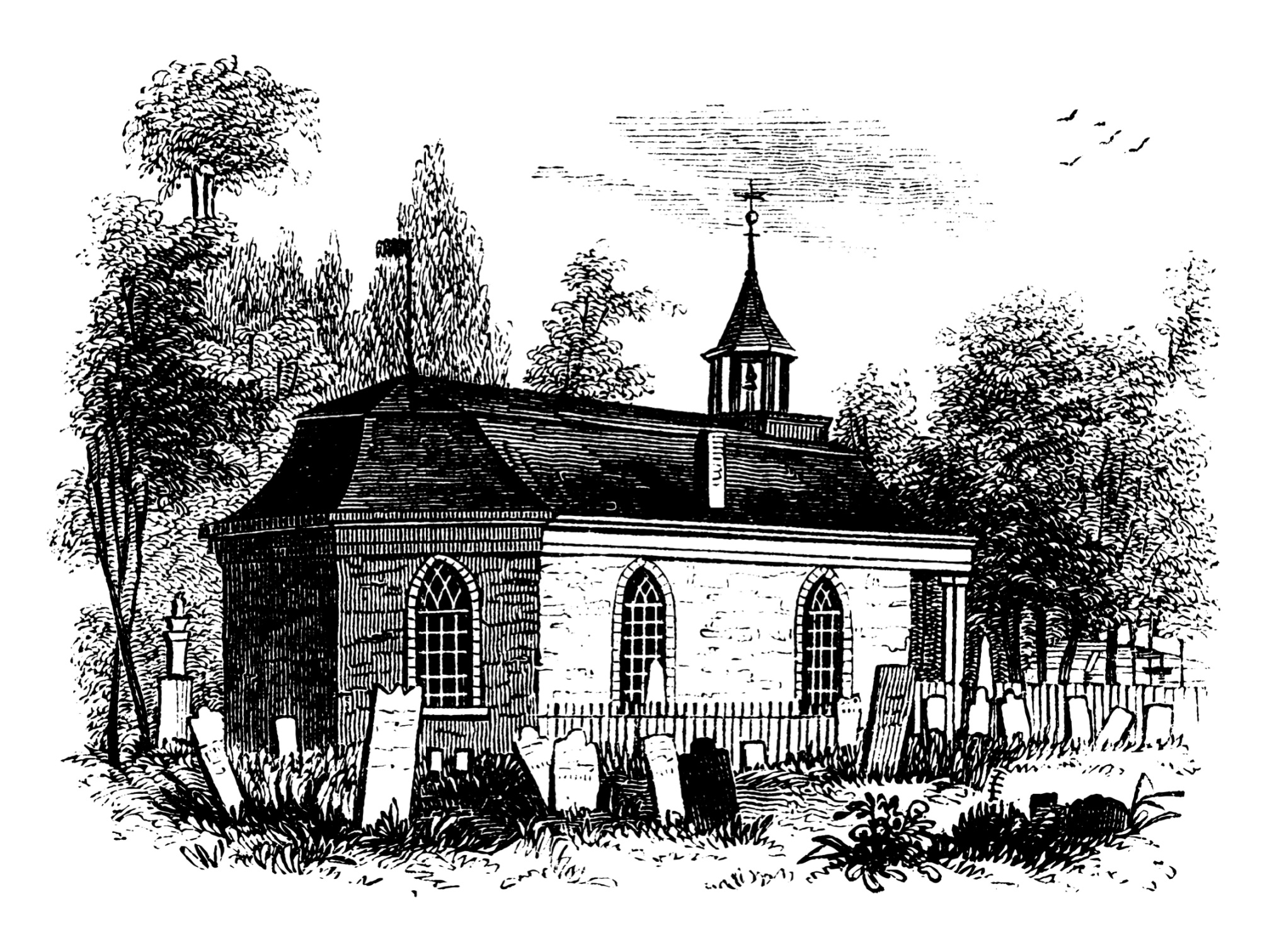
A Light in the Fog
As October fog curls over the Hudson Valley, the air in Sleepy Hollow carries more than the chill of autumn—it carries the whisper of a legend. Long before carved pumpkins lit doorsteps and children roamed the streets in costume, a humble ferryman named Elias Ward kept watch on the river’s edge. His job was simple but vital: guiding travelers across the Hudson with nothing but an oar, a rope, and the steady glow of his lantern.
But on one stormy All Hallows’ Eve, that light was lost—and a new one was born.
The Ferryman’s Final Crossing
In the late 1700s, during a time when the young nation still trembled from war, Ward was said to have ferried soldiers, settlers, and weary riders between the banks of Sleepy Hollow and Tarrytown. That fateful night, as thunder cracked across the valley, a drenched messenger appeared at the dock, begging passage. He carried an urgent letter—rumored to warn of an impending British raid upriver.
Ignoring the storm, Ward pushed off from the dock, his lantern swinging wildly in the wind. Midway across, lightning split the mast and fire licked the small boat. The ferryman and his passenger vanished into the black waters. The letter, and the warning it carried, were never found.
The Lantern That Wouldn’t Die
Days later, villagers claimed to see a faint glow drifting across the river. Some said it was trapped lightning, others the reflection of a distant farmhouse. But as nights grew colder, the sightings became undeniable—a lone lantern swaying above the fog, gliding silently from shore to shore.
Travelers who followed the light spoke of miraculous escapes. One farmer said it led him safely around a fallen bridge; another claimed it guided his lost horse home. Yet there were darker accounts too—those who chased the glow and vanished without a trace.
To the people of Sleepy Hollow, Elias Ward’s lantern became both a warning and a promise. It was said that those who followed it with good intent found their way home. Those who sought it out of greed or curiosity met only the river’s depths.
From Fear to Faith
Over the years, townsfolk began to honor the lost ferryman rather than fear him. Every Halloween, they left small lanterns by the riverbank, thanking Ward for lighting the way. The tradition grew into a local ritual of remembrance—a night to honor the unseen hands that guide us through life’s storms.
Parents told their children that the Lantern Keeper’s glow stood for courage, kindness, and the willingness to help others without being asked. His light became a symbol of American perseverance—the belief that even in darkness, one person’s selflessness can illuminate the path for many.
The Glow That Endures
Today, visitors to Sleepy Hollow still report strange flickers over the Hudson. Some say it’s car lights from the bridge or tricks of the mist. Others swear they’ve seen an old lantern swinging gently in the fog.
Modern festivals in the valley now celebrate the Lantern Keeper alongside Washington Irving’s famous Headless Horseman. While one legend haunts, the other guides. Together, they reflect the dual spirit of American folklore—fear and faith, mystery and meaning, superstition and strength.
The Lantern Keeper’s tale reminds us that the truest ghosts are not those who terrify us, but those who inspire us. Elias Ward’s legacy shines on as a beacon of the American spirit: a testament to courage in crisis, sacrifice in silence, and light that never dies.
RECENT

Michigan Students Invited to Compete for “Representative for a Day”
Education

A Statewide Celebration of Stories, Learning, and Lifelong Literacy in Michigan
Education
Marcell Highlights Sextortion Prevention
In The States
How Frederick Douglass Helped Move America Forward
History

William Lee Golden Releases Golden Memories
Entertainment

One Constitutional Amendment Took 203 Years to Pass
Did You Know?

2026 Nurses Day at the Capitol Draws Hundreds to Madison, WI
Health & Wellness

Your Weekend Game Plan Starts Here
America

Kentucky Jury Delivers 285 Years in Child Exploitation Case
Law and Order

Healing Trauma in Rescue Dogs Starts with Rebuilding Trust
Animals
BE THE FIRST TO KNOW
Want to stay in the loop? Be the first to know! Sign up for our newsletter and get the latest stories, updates, and insider news delivered straight to your inbox.

More Content By
Think American News StaffMichigan Students Invited to Compete for “Representative for a Day”
Education
A Statewide Celebration of Stories, Learning, and Lifelong Literacy in Michigan
Education
Marcell Highlights Sextortion Prevention
In The States
How Frederick Douglass Helped Move America Forward
History
William Lee Golden Releases Golden Memories
Entertainment
One Constitutional Amendment Took 203 Years to Pass
Did You Know?
2026 Nurses Day at the Capitol Draws Hundreds to Madison, WI
Health & Wellness
Your Weekend Game Plan Starts Here
America
Kentucky Jury Delivers 285 Years in Child Exploitation Case
Law and Order

Garten Welfare Reform Bill Heads to Governor
In The States
View All Content By Think American News Staff