
Sep 22
In The States
Tragic Charlotte Murder Sparks “Iryna’s Law” in North Carolina Legislature
Adobe Stock/Nitiphol/stock.adobe.com
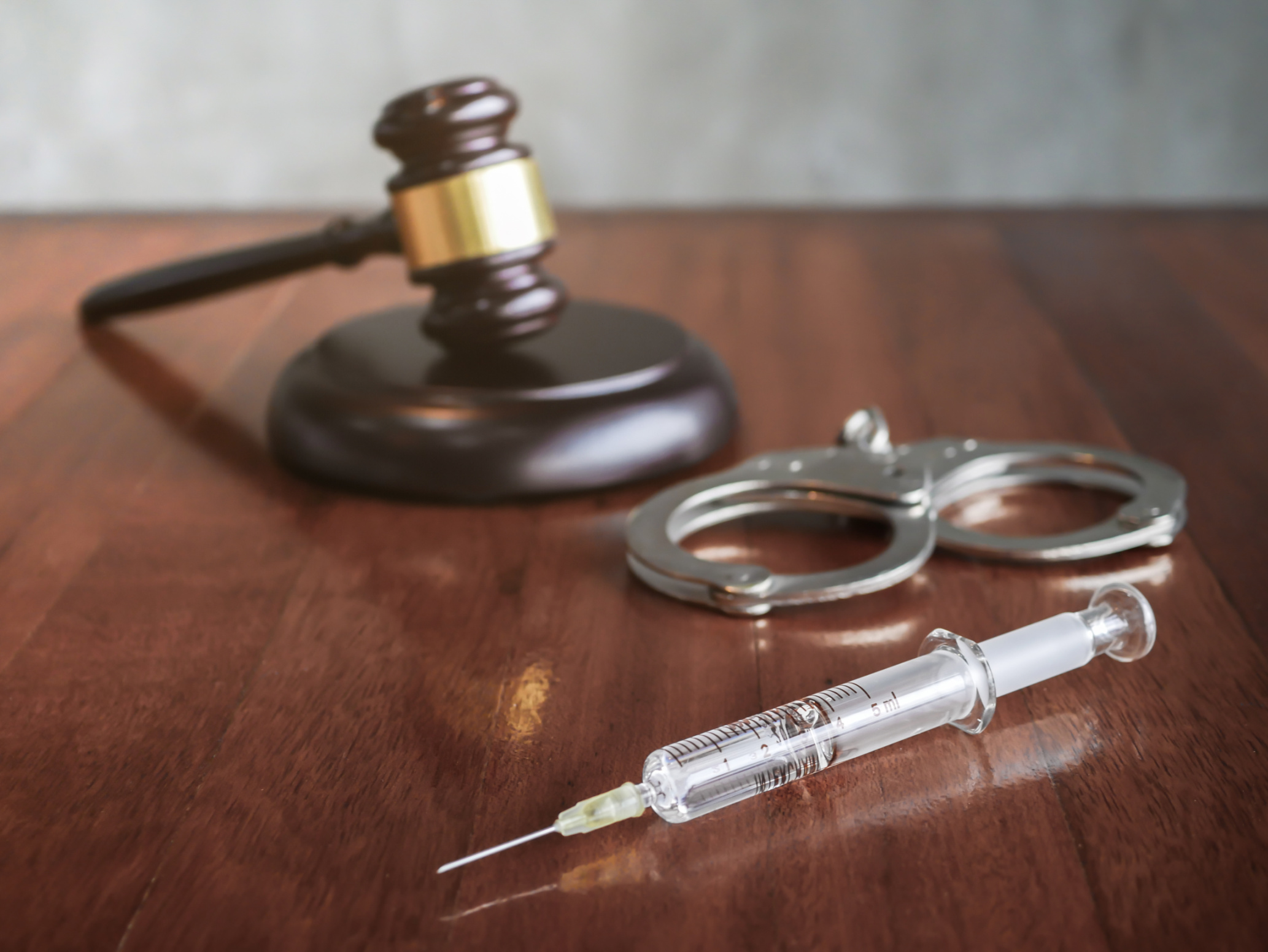
One month after the tragic killing of 37-year-old Iryna Zarutska in Charlotte, legislative leaders in the North Carolina General Assembly have unveiled a package of criminal justice reforms they say will address gaps in public safety and prevent future violent crimes. The reforms, set to be considered this week under a new version of House Bill 307, are collectively known as “Iryna’s Law.” Lawmakers say the bill responds to what they view as policies that have allowed repeat offenders to cycle in and out of the justice system.
Senate Leader Phil Berger said the case has underscored the urgency of change. “Iryna should still be alive. She should be thriving and enjoying time with her family and friends,” Berger said. “We cannot let North Carolina be held hostage by woke, weak-on-crime policies and court officials who prioritize criminals over justice for victims. We are also taking steps to revive the death penalty for those who commit the most heinous crimes.”
House Speaker Destin Hall also emphasized the need for stronger accountability within the judicial system. “North Carolinians deserve to live in safe communities without fear of violent criminals being cycled in and out of the justice system,” Hall said. “This legislation eliminates dangerous cashless bail policies, holds magistrates accountable, sets a new standard requiring judicial officials to order mental health evaluations and, when necessary, involuntary commitment. We will simply not tolerate policies that allow violent offenders back onto our streets to commit more crimes and jeopardize public safety.”
At the heart of the proposal is a dramatic change in how bail and pretrial release will be handled. Cashless bail would be eliminated for a range of offenses, and judges and magistrates would have less discretion in cases involving violent or repeat offenders. The bill creates a new category of “violent offenses” that will carry stricter conditions for release. First-time violent offenders would face only two options: a secured bond or house arrest with GPS monitoring. For second or subsequent violent offenses, the law mandates secured bond combined with electronic monitoring. Repeat offenders—those convicted of three or more offenses within the last ten years—would automatically face secured bond or house arrest with monitoring, regardless of whether their past convictions were violent.
The legislation also requires judicial officials to review and consider a defendant’s criminal history before setting conditions of release, and it mandates that written findings of fact be provided in each case. If judges or magistrates fail to provide those findings, it could become grounds for suspension or removal.
Mental health provisions are another major part of the bill. Judicial officials would be required to order evaluations if a defendant charged with a violent offense had been involuntarily committed within the last three years. If officials have cause to believe a defendant is a danger to themselves or others, they must also order an evaluation, no matter the charge. If examiners conclude that commitment is necessary, proceedings must begin. Lawmakers also directed the state’s Collaboratory to study how mental health issues intersect with the justice system, covering both adults and juveniles, as well as the availability of house arrest programs and alternative execution methods.
Iryna’s Law also seeks to revive the death penalty in North Carolina. No execution has taken place in the state in nearly two decades, but under the proposed reforms, death penalty appeals must be heard within two years of filing, with continuances granted only under extenuating circumstances. Appeals that have been pending for more than 24 months must be scheduled within the next year. The bill also requires hearings to be held in the county where the conviction occurred. It adds a new aggravating factor to capital punishment law: committing a capital felony while the victim was using public transportation. Lawmakers said this provision was inspired by the circumstances surrounding Zarutska’s killing and is designed to ensure prosecutors can pursue the death penalty in similar cases.
Accountability for judicial officials is also a focus of the legislation. The Chief Justice of the North Carolina Supreme Court and Chief District Court Judges would have the authority to initiate suspension proceedings for magistrates who fail to follow the new requirements.
The Senate Judiciary Committee is scheduled to hear the bill at 11 a.m. on Monday, Sept. 22, in Legislative Office Building Room 544. Supporters say the reforms represent a comprehensive effort to balance public safety with due process while ensuring that violent offenders face stricter consequences. Opponents are expected to raise questions over civil liberties, the use of the death penalty, and the broader effects of mandatory bail requirements.
As lawmakers prepare to consider Iryna’s Law, the murder of Iryna Zarutska continues to serve as a rallying cry for those determined to tighten North Carolina’s justice system and restore what they see as accountability and order.
RECENT

A Century of Appalachian Music Lives On
Entertainment

America’s Other Midnight Rider
Legends of the American Spirit

Michigan Speaker Pushes Drug Crackdown
In The States

Arizona Tightens Sex Offender Rules
In The States

It’s Never Too Late
Did You Know?

Meet Taylor Mieszkuc: A Rising Voice with “Matches”
Entertainment

Kentucky Acts on School Violence
Education

Breathe Your Way Back to Control
Friday Fuel

Where America Is Headed This Weekend
Happiness

Pennsylvania Veterans Expo Honors America 250
In The States
BE THE FIRST TO KNOW
Want to stay in the loop? Be the first to know! Sign up for our newsletter and get the latest stories, updates, and insider news delivered straight to your inbox.

More Content By
Think American News StaffA Century of Appalachian Music Lives On
Entertainment
America’s Other Midnight Rider
Legends of the American Spirit
Michigan Speaker Pushes Drug Crackdown
In The States
Arizona Tightens Sex Offender Rules
In The States
It’s Never Too Late
Did You Know?
Kentucky Acts on School Violence
Education
Where America Is Headed This Weekend
Happiness
Pennsylvania Veterans Expo Honors America 250
In The States

Texas Seeks Veteran Stories
In Service

Ray Stevens Recovering After Fall
Entertainment
View All Content By Think American News Staff