
Sep 13
Did You Know?
Did You Know a Volcano Caused a Year Without a Summer?
Adobe Stock/generationclash/stock.adobe.com

Did you know the world once had a summer without sunshine?
In 1816, people across parts of North America and Europe found themselves facing an unseasonably cold and gloomy summer. Frost appeared in months when crops should have been thriving, and harvests failed in multiple regions. The strange weather earned 1816 the name “The Year Without a Summer.”
The cause was the eruption of Mount Tambora in Indonesia the previous year. In April 1815, Tambora exploded in one of the most powerful volcanic eruptions in recorded history. The blast sent enormous amounts of volcanic ash and sulfur gases high into the atmosphere. Once in the stratosphere, these particles spread across the globe, reflecting sunlight away from Earth and creating what scientists call a volcanic winter.
The effects were far-reaching. In parts of New England, reports describe frost and occasional snowfall in June, and crop damage from cold weather stretching into July and August. Across Europe, persistent rain and lower-than-usual temperatures led to widespread harvest failures. Food became scarce, and prices rose sharply in many areas. Even further afield, Asia also experienced disrupted weather patterns, with documented damage to rice crops in China and altered monsoon conditions in South Asia.
The hardships of 1816 were undeniable, but the year also left cultural marks. In Switzerland, poor weather kept a group of writers, including Mary Shelley, Percy Bysshe Shelley, Lord Byron, and John Polidori, indoors at Lake Geneva. To pass the time, they challenged each other to write ghost stories. Out of that gloomy summer came Mary Shelley’s Frankenstein and Polidori’s The Vampyre, both works that would help shape modern literature.
Some historians note that the difficult agricultural conditions of 1816 contributed to broader movements and innovations in the years that followed. In North America, crop failures added pressure to existing patterns of westward migration, as families sought more dependable farmland. In Europe, shortages of horse feed encouraged experiments with alternatives for transport, and in this context, early versions of the bicycle appeared. While these developments had multiple causes, the climate anomalies of 1816 played a role in shaping the world that followed.
The Year Without a Summer is a reminder of how a single natural event can have global consequences. One eruption in Indonesia disrupted food supplies, altered economies, and influenced literature thousands of miles away. For those who lived through it, the summer of 1816 must have felt unsettling and unpredictable—frost when they expected warmth, hunger when they expected abundance.
Today, scientists look back at Tambora’s eruption as one of the clearest examples of how volcanic activity can affect climate worldwide. It shows how interconnected the planet truly is, and how human societies are shaped not only by politics and economics but also by the forces of nature.
The next time you enjoy a warm summer day, remember that two centuries ago, much of the Northern Hemisphere endured a summer that never fully arrived. Out of the hardship came migration, adaptation, and even new stories that still resonate today. The Year Without a Summer reminds us that resilience and creativity often emerge in the darkest of times.
RECENT

“Good Ol’ USA” Hits a High Note
Entertainment

Kentucky Senate Marks Lorie Anne Parker’s Passing
In The States
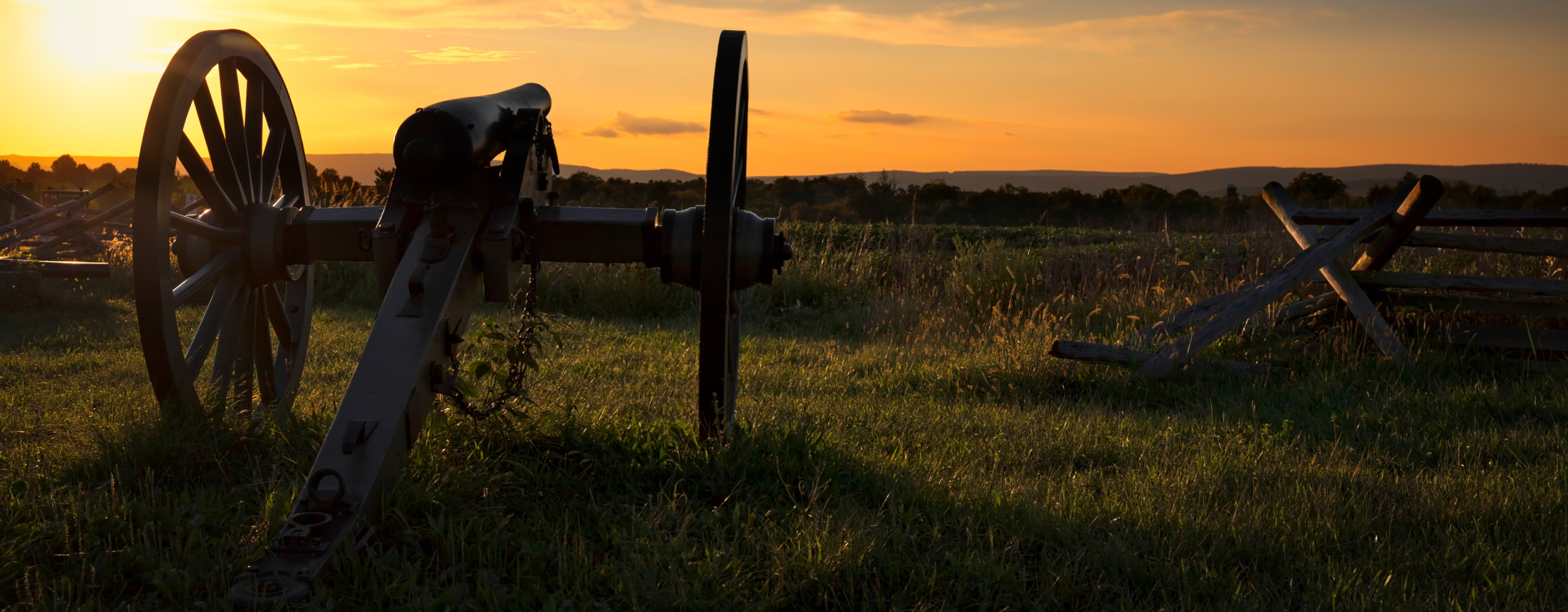
The Ship That Changed History
History

What to Watch as Election Buzz Builds
Elections
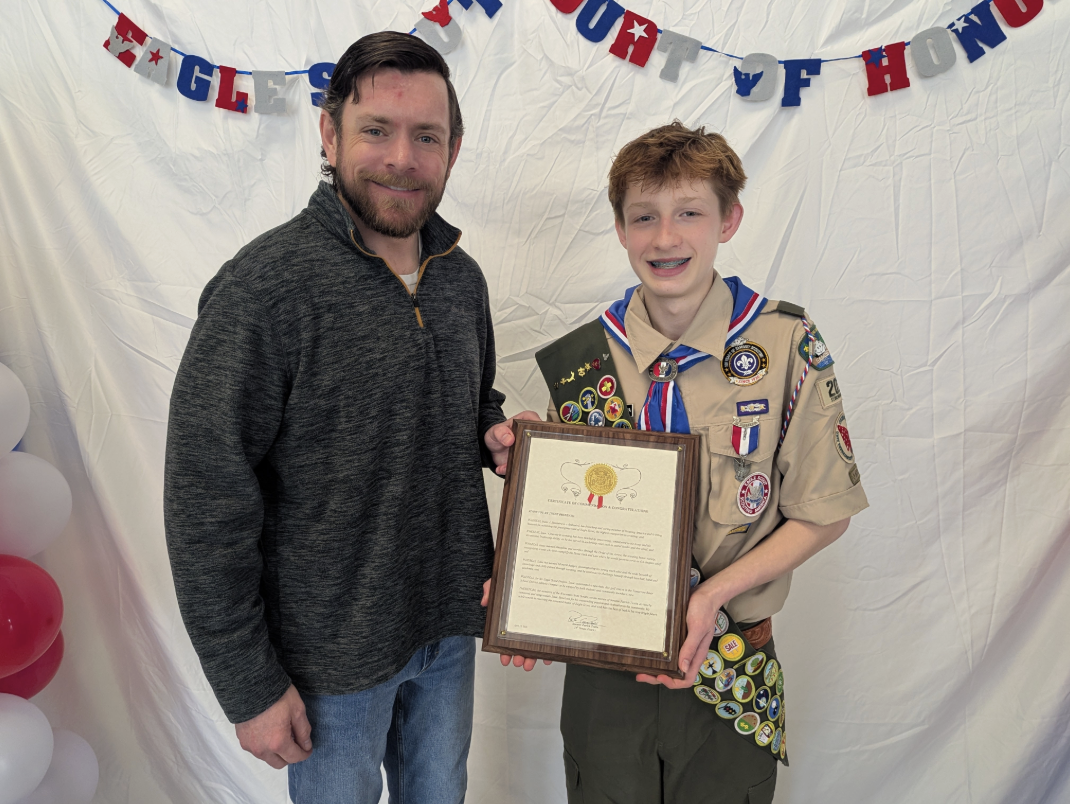
Wisconsin Eagle Scout Honored
Community

New Alabama Laws Boost Veterans, Guard Benefits
In Service

Soul Condition Strikes a Chord
Entertainment
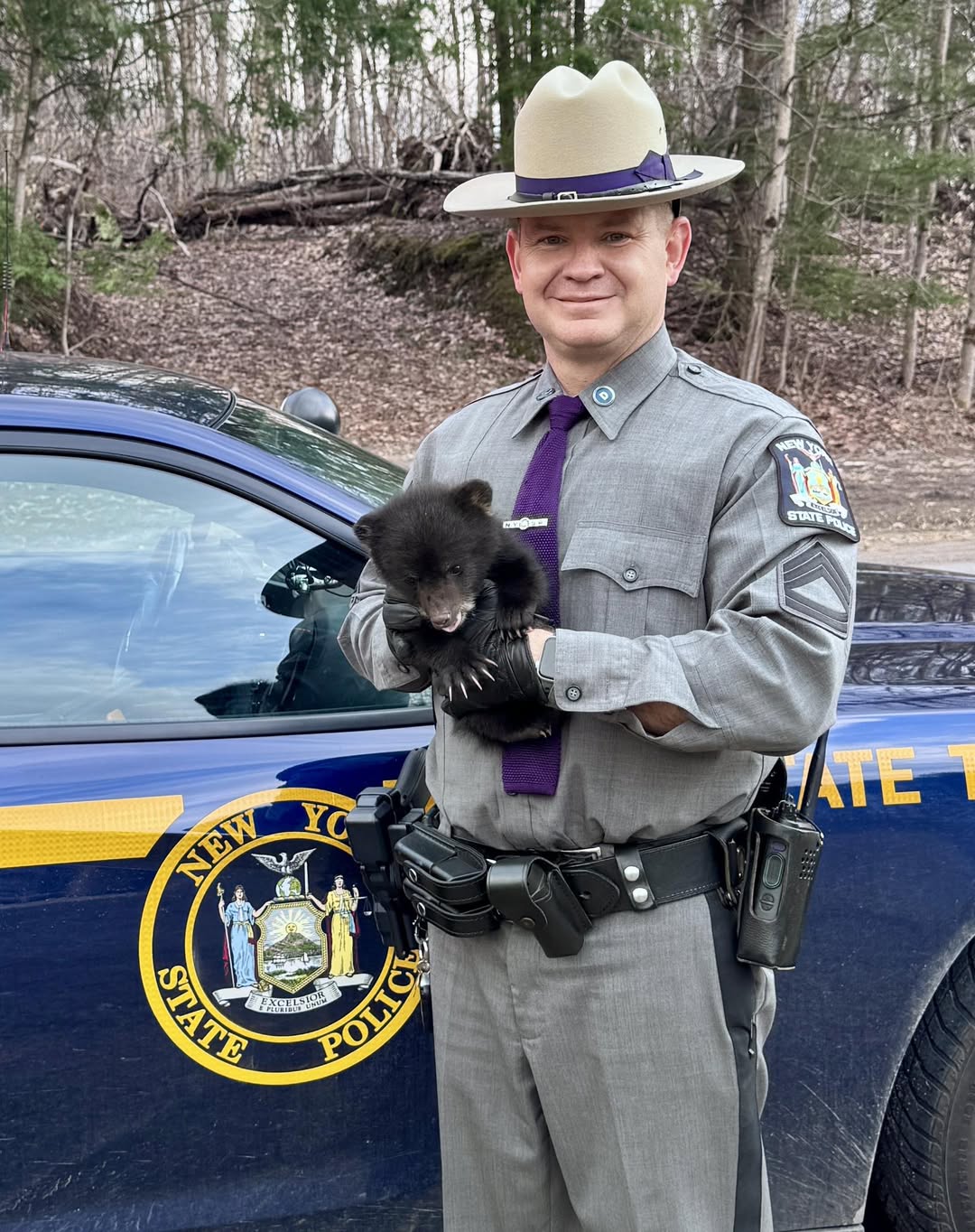
A “Bear-y” Unexpected Traffic Stop in New York
Animals

Opportunity Is Evolving
Did You Know?

Before You Buy a Dog, Read This First
Mans Best Friend
BE THE FIRST TO KNOW
Want to stay in the loop? Be the first to know! Sign up for our newsletter and get the latest stories, updates, and insider news delivered straight to your inbox.

More Content By
Think American News Staff“Good Ol’ USA” Hits a High Note
Entertainment
Kentucky Senate Marks Lorie Anne Parker’s Passing
In The States
The Ship That Changed History
History
What to Watch as Election Buzz Builds
Elections
Wisconsin Eagle Scout Honored
Community
New Alabama Laws Boost Veterans, Guard Benefits
In Service
Soul Condition Strikes a Chord
Entertainment
A “Bear-y” Unexpected Traffic Stop in New York
Animals
Opportunity Is Evolving
Did You Know?

Arizona Passes “Cade’s Law”
In The States
View All Content By Think American News Staff