Sep 10
Energy
Rising Energy Costs Put Spotlight on Permitting Reform
Adobe Stock/Zack Frank/stock.adobe.com
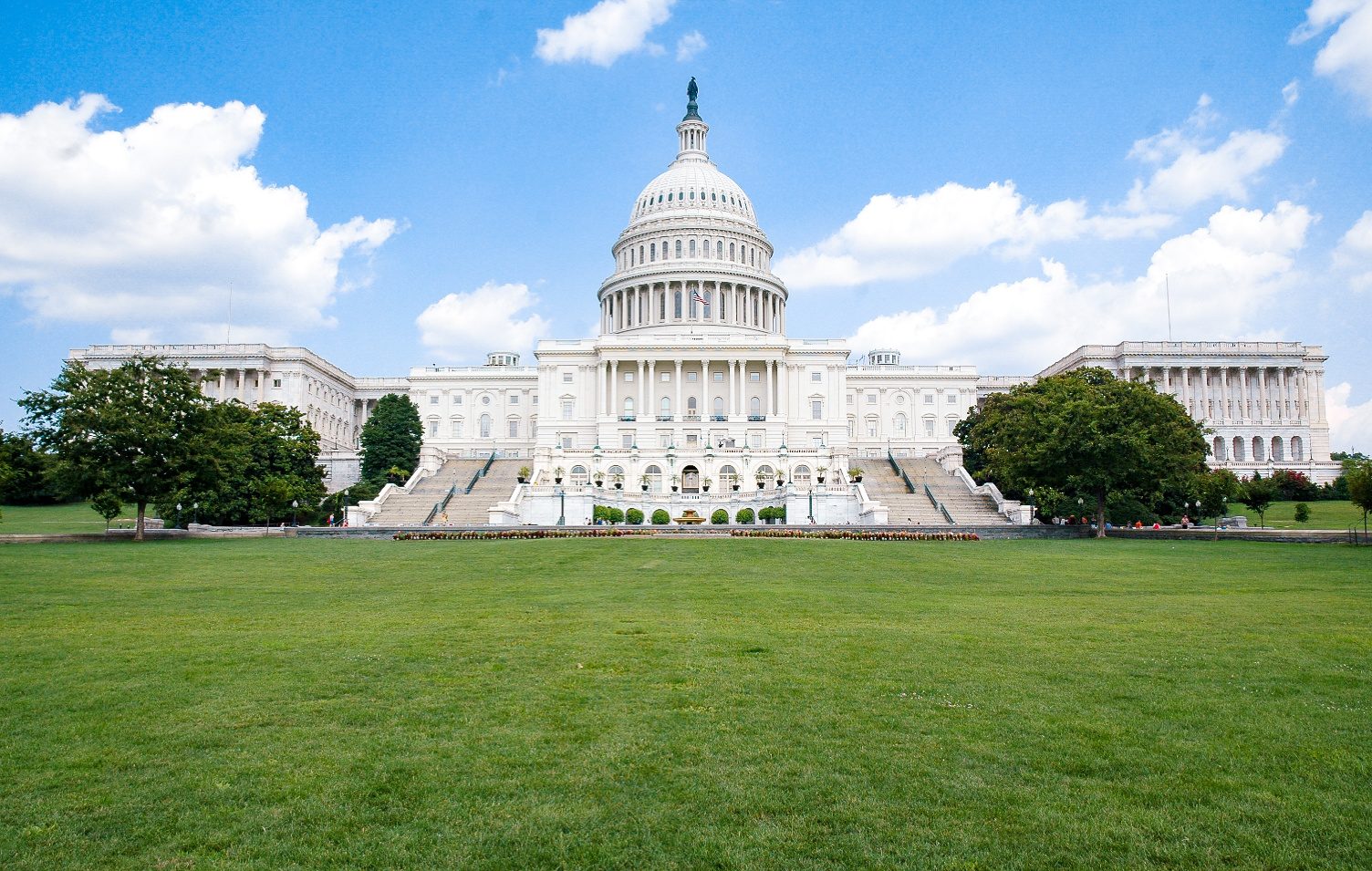
In Washington, bipartisanship is often hard to come by. Yet on one issue, there appears to be growing agreement: America’s permitting system is outdated and in need of reform. Leaders from both major parties acknowledge that the lengthy and complex approval process for energy and infrastructure projects is contributing to delays, higher costs, and missed opportunities.
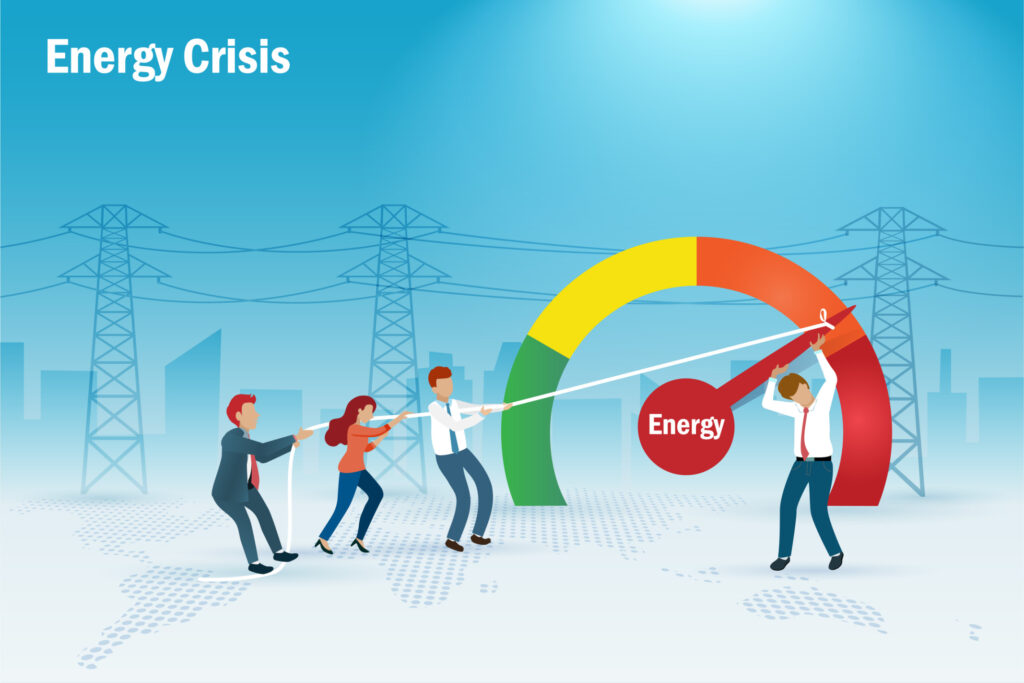
Permitting rules were designed to ensure oversight and accountability, but approvals that should take months frequently stretch into years. Lawsuits, regulatory hurdles, and overlapping jurisdictions have left projects stalled. As a result, the nation’s energy grid and infrastructure have struggled to keep pace with rising demand.
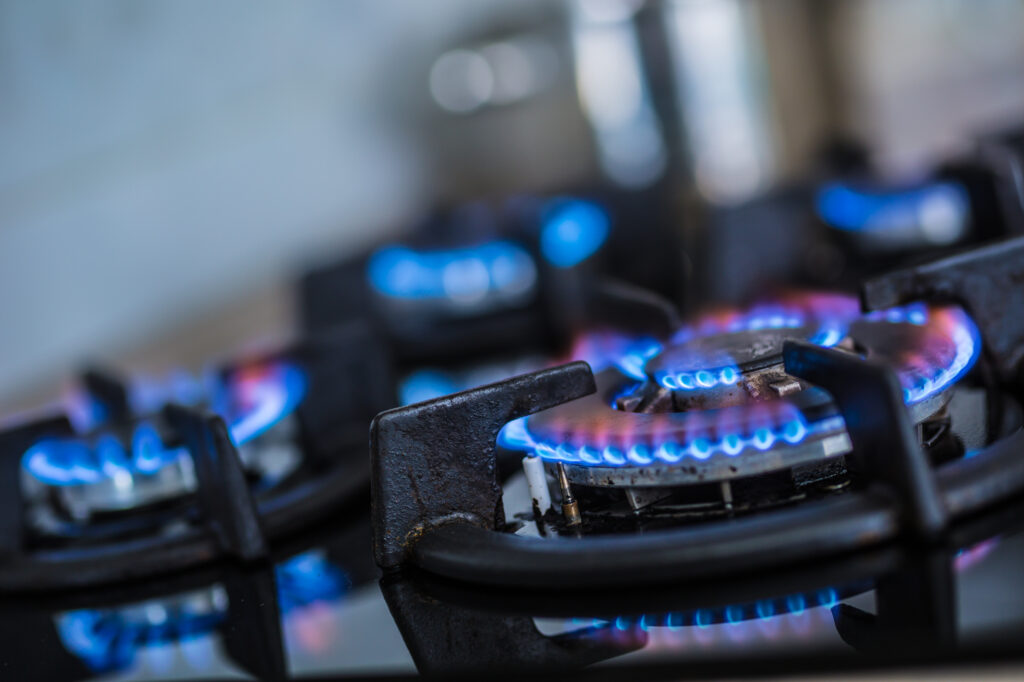
Brent Gardner, Chief Government Affairs Officer at Americans for Prosperity, is among those pushing for action. He points out what many families already feel: rising energy costs are showing up in utility bills, gas tanks, and the price of everyday goods. The culprit isn’t just inflation—it’s the outdated and cumbersome permitting rules that keep projects from getting off the ground.
The impact of these delays is becoming more visible. Families and businesses are facing higher utility bills and transportation costs. Technology sectors such as data centers and artificial intelligence—which require significant amounts of power—are stressing the grid. Meanwhile, traditional power plants that provide steady electricity are being retired more quickly than replacements can be built.
Observers note that the situation poses risks to both economic growth and national competitiveness. As one Biden administration advisor acknowledged in 2023, the system has become more adept at stopping projects than enabling them to move forward. Without reform, critical infrastructure needed to expand grid capacity may not materialize in time to meet demand.
Momentum for change has been building. Lawmakers in both parties have expressed interest in streamlining the process to allow pipelines, renewable energy projects, nuclear facilities, and transmission lines to move ahead more efficiently. This fall, House Majority Leader Steve Scalise has identified permitting reform as a legislative priority, signaling that the issue could see renewed debate on Capitol Hill.
Supporters of reform argue that modernizing the system could help reduce energy costs, improve reliability, and strengthen communities by supporting new jobs and investment. Critics caution that reform must balance efficiency with environmental safeguards and community input, ensuring that projects remain accountable to the public.
The debate underscores a rare moment of bipartisan alignment on a complex policy challenge. While details of any legislation remain uncertain, the consensus that the system is broken has created an opening for action. Whether Congress can translate that agreement into a durable solution is the question that now looms.
RECENT

Kentucky Targets Classroom Violence
Education

Spring Into the Weekend
Dating

The Truth About Fitness: It’s No Longer a Choice
Friday Fuel

Wisconsin Expands Emergency Testing
First Responders

Progress Over Perfection
Health & Wellness

‘American Pie’ Turns 55 on Tour
Entertainment

Senior Expo Offers Help and Support in Bucks County, PA
Community

California Moves to Rename Chávez Day
In The States

A Very American Tuesday: Puppies, Philly & Pours
Offbeat Observances

Cash or Card? New York Says Both
In The States
BE THE FIRST TO KNOW
Want to stay in the loop? Be the first to know! Sign up for our newsletter and get the latest stories, updates, and insider news delivered straight to your inbox.

More Content By
Think American News StaffKentucky Targets Classroom Violence
Education
Spring Into the Weekend
Dating
The Truth About Fitness: It’s No Longer a Choice
Friday Fuel
Wisconsin Expands Emergency Testing
First Responders
‘American Pie’ Turns 55 on Tour
Entertainment
Senior Expo Offers Help and Support in Bucks County, PA
Community
California Moves to Rename Chávez Day
In The States
Cash or Card? New York Says Both
In The States

Country Newcomer Delivers Raw Finale
Entertainment

The Irish-American Legacy Behind Henry Ford’s Success
Legends of the American Spirit
View All Content By Think American News Staff