Sep 08
In The States
Kehoe Kicks Off Special Session with ‘Missouri First Map’ and Ballot-Measure Overhaul
Adobe Stock/Ahmed/stock.adobe.com
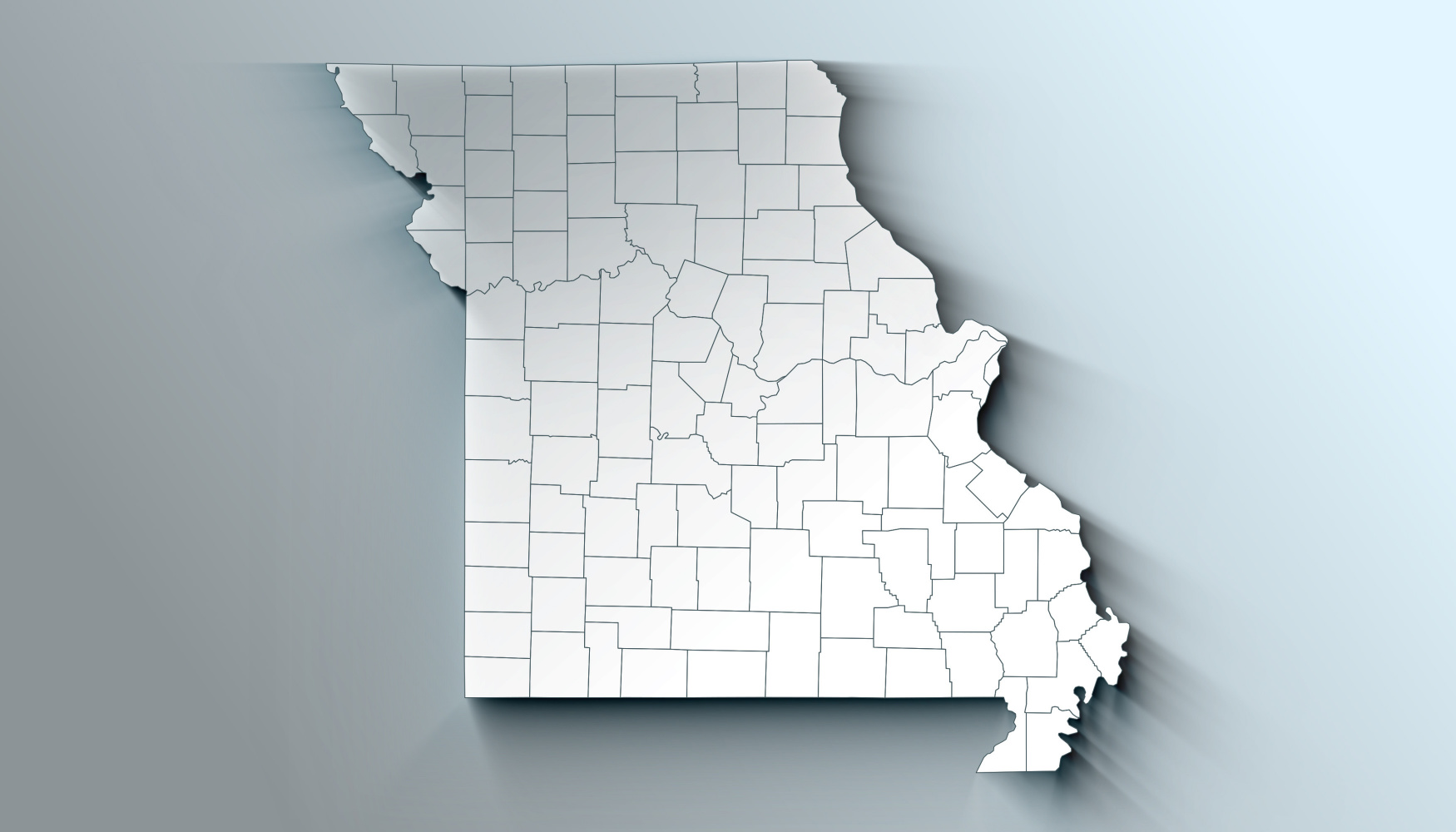
Governor Mike Kehoe has brought lawmakers back to Jefferson City this week for a high-stakes special session aimed at reshaping Missouri’s congressional map and tightening the rules surrounding the state’s initiative petition process. The Second Extraordinary Session of the First Regular Session of the 103rd General Assembly convened on September 3 at noon, with Kehoe insisting the moves are necessary to ensure Missouri’s laws and representation reflect what he describes as “Missouri values.”
The governor unveiled what he is calling the Missouri First Map, a redistricting proposal his team developed with the goal of creating a congressional map that is more compact and contiguous than the current version. The plan, according to Kehoe, reduces the number of counties and municipalities split between districts, while preserving two districts as they are currently drawn. Every member of Missouri’s congressional delegation would remain in their existing district, a detail Kehoe highlighted as proof that the map was designed to respect current representation while tightening up boundaries that have long been criticized as unnecessarily fractured.
For Kehoe, this is not only a matter of lines on a map but a reflection of who Missourians are. “Missourians are more alike than we are different,” he said when announcing the special session. “Our values are closer to each other than those of the extreme Left representation of New York, California, and Illinois. Missouri’s conservative, common-sense values should be truly represented at all levels of government, and the Missouri First Map delivers just that.” His message makes clear that he sees the redistricting debate as tied to the broader national conversation about partisan influence, regional differences, and the way congressional boundaries can tilt the balance of power in Washington.
But redistricting is only part of the reason Kehoe called legislators back to the Capitol. Equally important in his view is overhauling Missouri’s initiative petition process, which allows voters to bypass the legislature and place proposed laws or constitutional amendments directly on the ballot. Kehoe has argued that this process has been hijacked too often by out-of-state groups with deep pockets and agendas that do not match Missouri’s political culture. He says reforms are urgently needed to protect the state constitution from becoming, in his words, “the victim of out-of-state special interests who deceive voters to pass out-of-touch policies.”
The changes Kehoe is pushing go beyond mere technical adjustments. He wants to ban foreign nationals from donating to campaigns for or against statewide ballot measures, a restriction he frames as a safeguard against outside interference. He has also proposed creating a criminal election offense for those who fraudulently sign or gather signatures, a move aimed at strengthening the integrity of the petition process at its earliest stages.
Perhaps the most consequential change would require that any statewide ballot measure win not only a majority of votes across Missouri but also a majority in each of the state’s congressional districts. This provision would make it far more difficult for measures to pass on the strength of support in urban centers alone, requiring broader statewide consensus before altering laws or the constitution. Kehoe also wants to require a public comment period before any petition advances to the signature-gathering phase, which he argues would bring greater transparency to the process. Finally, he insists that the full text of a proposed measure should be available to voters at all polling sites, so no one casts a ballot without having the chance to review exactly what they are approving or rejecting.
Taken together, the governor’s proposals represent a sweeping attempt to reshape both how Missouri chooses its representatives and how its citizens influence state policy. Supporters say the reforms will preserve Missouri’s identity and values by preventing national activist groups from rewriting state law. Critics, however, are likely to view them as an effort to curtail direct democracy and place more power back in the hands of politicians. The requirement that ballot measures pass in every congressional district, in particular, is expected to draw debate, as it would give voters in less-populated districts an effective veto over proposals that might enjoy majority support statewide.
The special session opened just five days ago, and lawmakers are already under pressure to deliver results. Kehoe has framed the work ahead as essential to providing clarity for voters and protecting the state’s future. “This is about clarity for voters and ownership of our future,” he said in his call to action, urging legislators to put aside differences and move quickly. He is banking on momentum to push the Missouri First Map through and to lock in the initiative petition reforms that he believes will shield Missouri from undue outside influence.
As the days unfold in Jefferson City, the debate promises to touch not only on the technicalities of district lines and petition signatures but on fundamental questions of who holds power in Missouri politics—its voters, its lawmakers, or outside groups seeking to shape its future. For Kehoe, the answer is clear: he wants Missouri’s constitution and its congressional map to reflect the priorities of its people as he defines them, a vision rooted in what he calls conservative, common-sense Missouri values. Whether the legislature delivers on that vision in this special session will be watched closely, both inside and outside the state.
RECENT

Arizona Shines Light on Pediatric Cancer
Cancer

The Holy Trinity of Tortilla Chips, Trading Cards, and Bartenders
Holidays

Kid Rock Tops Billboard Christian Chart with “‘Til You Can’t”
Entertainment

Prosecutor Moers Highlights Justice With Impact
In The States
Kids Pitch New Laws in Pennsylvania Civics Contest
Education

Fred Rogers and the Courage of Kindness
Kindness

February’s Strange Secret: No Full Moon Required
Did You Know?

HALO Act Advances in Kentucky House After Strong Senate Vote
In Service

Why Fitness Fuels Leadership Success
Friday Fuel

New Arizona Bill Targets Name-Change Loopholes
In The States
BE THE FIRST TO KNOW
Want to stay in the loop? Be the first to know! Sign up for our newsletter and get the latest stories, updates, and insider news delivered straight to your inbox.

More Content By
Think American News StaffArizona Shines Light on Pediatric Cancer
Cancer
Kid Rock Tops Billboard Christian Chart with “‘Til You Can’t”
Entertainment
Prosecutor Moers Highlights Justice With Impact
In The States
Kids Pitch New Laws in Pennsylvania Civics Contest
Education
Fred Rogers and the Courage of Kindness
Kindness
February’s Strange Secret: No Full Moon Required
Did You Know?
HALO Act Advances in Kentucky House After Strong Senate Vote
In Service
New Arizona Bill Targets Name-Change Loopholes
In The States

Dateline’s Josh Mankiewicz Keynotes New Conference
Law and Order

PA Lawmakers Cite PHFA Audit Concerns
In The States
View All Content By Think American News Staff