
Sep 02
In The States
New Florida Drone Law Targets Smuggling, Surveillance, and Security Threats
Adobe Stock/John Rohans/stock.adobe.com
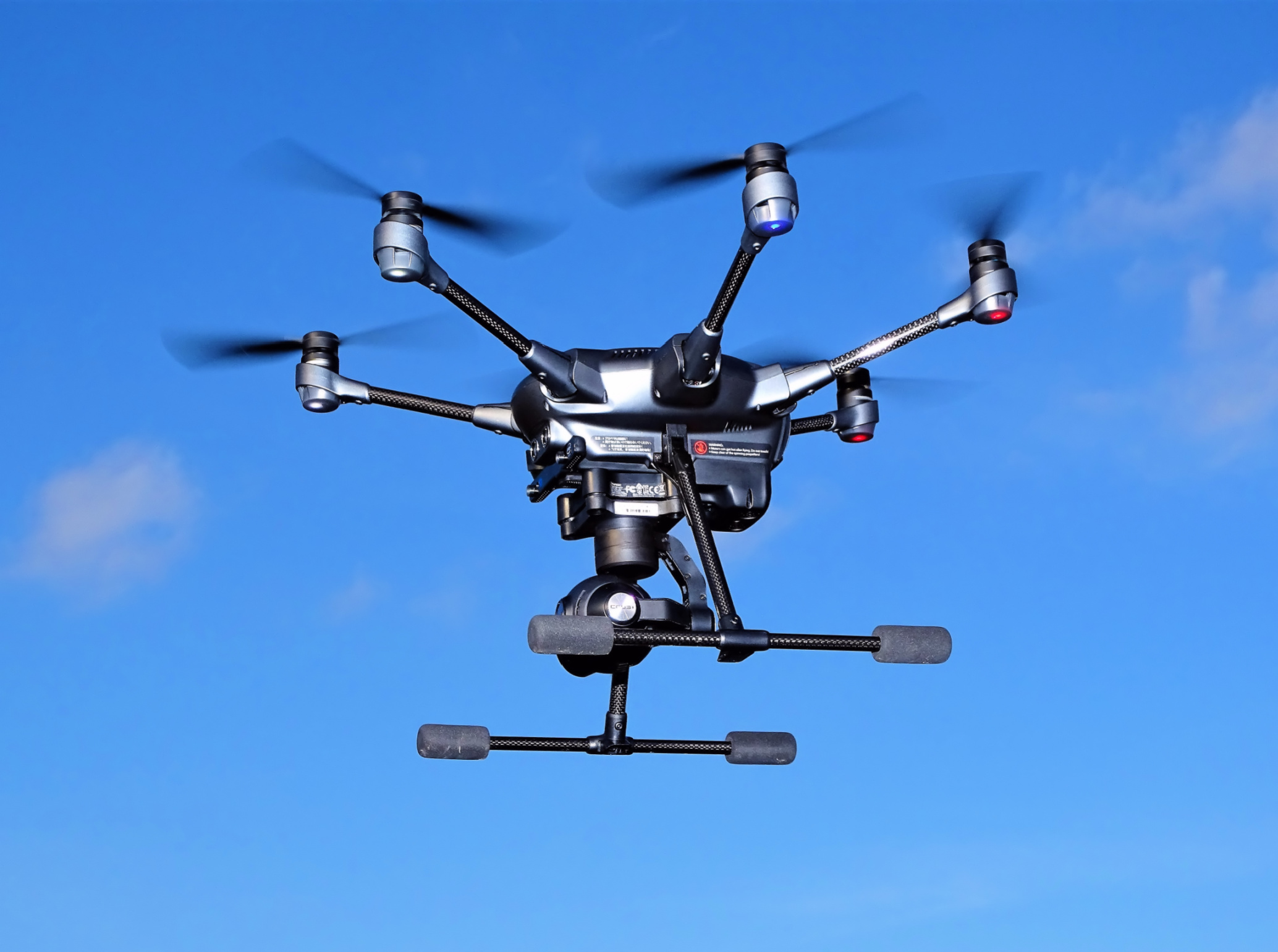
Florida is moving to tighten regulations on drones with a new law introduced by Representative Jennifer Canady and set to take full effect on October 1, 2025. The measure expands definitions, increases penalties, and seeks to address growing concerns about the misuse of unmanned aircraft systems in ways that threaten public safety.
The law comes after a series of alarming incidents across the country. In Georgia last year, Operation Skyhawk led to the arrest of 150 people tied to a drone-based contraband scheme that targeted prisons. Drones were used to deliver everything from drugs and cell phones to weapons. Canady pointed to that case as proof Florida must stay ahead of the technology. She explained the goal was to strengthen state laws before such large-scale operations could take root locally. “Florida needs to be forward thinking in the oversight of technology that can be used for harm,” she said when introducing the bill.
The legislation broadens the scope of what qualifies as critical infrastructure. Airports, correctional facilities, dams, telecommunications hubs, and military installations are now included. Flying a drone near or over these sites without proper authorization from the Federal Aviation Administration can lead to criminal penalties. The law also cracks down on drones that are altered to bypass identification systems, as well as any equipped with explosives or surveillance gear. By spelling out these restrictions, the law eliminates loopholes and gives law enforcement stronger tools to act when violations occur.
Representative Danny Alvarez, chair of the Criminal Justice Subcommittee, underscored the urgency during the bill’s debate. He noted that lawmakers are often accused of letting technology outpace legislation. In his words, “Many times, we are criticized for not reacting in time and allowing technology to surpass us.” HB 1121, he argued, shows that Florida is working to anticipate risks instead of reacting to them after the fact.
At the same time, the law recognizes drones have legitimate uses. Emergency services and law enforcement are permitted to use them under defined circumstances. This ensures that technology can continue to support public safety while keeping tight restrictions on harmful or unauthorized uses.
Miami is already demonstrating what regulated drone programs can achieve. The city’s police department recently launched its First Response Drone Program or FRD, which sends drones ahead of patrol cars when a 911 call comes in. The drones often arrive on scene before officers, providing a live aerial view of what is happening. They can identify crime scenes, assist in searches for missing persons, monitor traffic accidents, and even carry flotation devices for water rescues. According to CiberCuba, the program has already proven to improve officer safety, speed response times, and provide better information for decision-making.
The contrast between risks and benefits is stark. Drones in the wrong hands can be used to smuggle contraband into prisons, spy on restricted facilities, or worse. But in the right hands, as Miami shows, they can be life-saving tools that enhance safety and efficiency. The new law tries to strike that balance, ensuring responsible use is protected while misuse is met with strong consequences.
The measure passed both chambers of the legislature unanimously, highlighting broad agreement that the state must act now. By expanding protections around critical infrastructure and outlawing modified or weaponized drones, the law sends a clear message to anyone thinking of exploiting the technology for crime. At the same time, it signals support for innovative uses that benefit public safety.
When October arrives, Florida will have some of the most robust drone laws in the country. For everyday residents, that means being mindful of where and how drones can be flown. For law enforcement, it provides clearer authority to shut down illegal activity before it escalates. And for public safety programs like the one in Miami, it offers assurance that innovation can move forward without compromising security.
RECENT

Arizona Honors Deputies After Child Rescue
In The States

From Dessert to Denim: Today’s Offbeat Observances Explained
Offbeat Observances

Wisconsin Lawmakers Push Forestry Revitalization Act
Forestry

The Marriage Behind America’s Anthem
Legends of the American Spirit

PA Moves to Expand Access to Speech and Hearing Care
Health & Wellness
Sen. Griffo Seeks Bigger Share of DMV Funds for NY Counties
In The States

Chris Cagle Honored as Pandora Billionaire During SiriusXM Event
Entertainment

The Rebellious Origin of Valentine’s Day
Did You Know?

How to Make Your Weekend Count—No Big Plans Required
Dating

Why Your Dog’s Diet Matters More Than You Think
Uncategorized
BE THE FIRST TO KNOW
Want to stay in the loop? Be the first to know! Sign up for our newsletter and get the latest stories, updates, and insider news delivered straight to your inbox.

More Content By
Think American News StaffArizona Honors Deputies After Child Rescue
In The States
Wisconsin Lawmakers Push Forestry Revitalization Act
Forestry
The Marriage Behind America’s Anthem
Legends of the American Spirit
PA Moves to Expand Access to Speech and Hearing Care
Health & Wellness
Sen. Griffo Seeks Bigger Share of DMV Funds for NY Counties
In The States
Chris Cagle Honored as Pandora Billionaire During SiriusXM Event
Entertainment
The Rebellious Origin of Valentine’s Day
Did You Know?
How to Make Your Weekend Count—No Big Plans Required
Dating
Proposal Targets Monitoring Gap for Transient Offenders
In The States

Turning Abandoned Homes into Affordable Housing in Kentucky
Housing Market
View All Content By Think American News Staff