Norman Rockwell: The Artist Who Painted America’s Heart
Adobe Stock/konstantant/stock.adobe.com
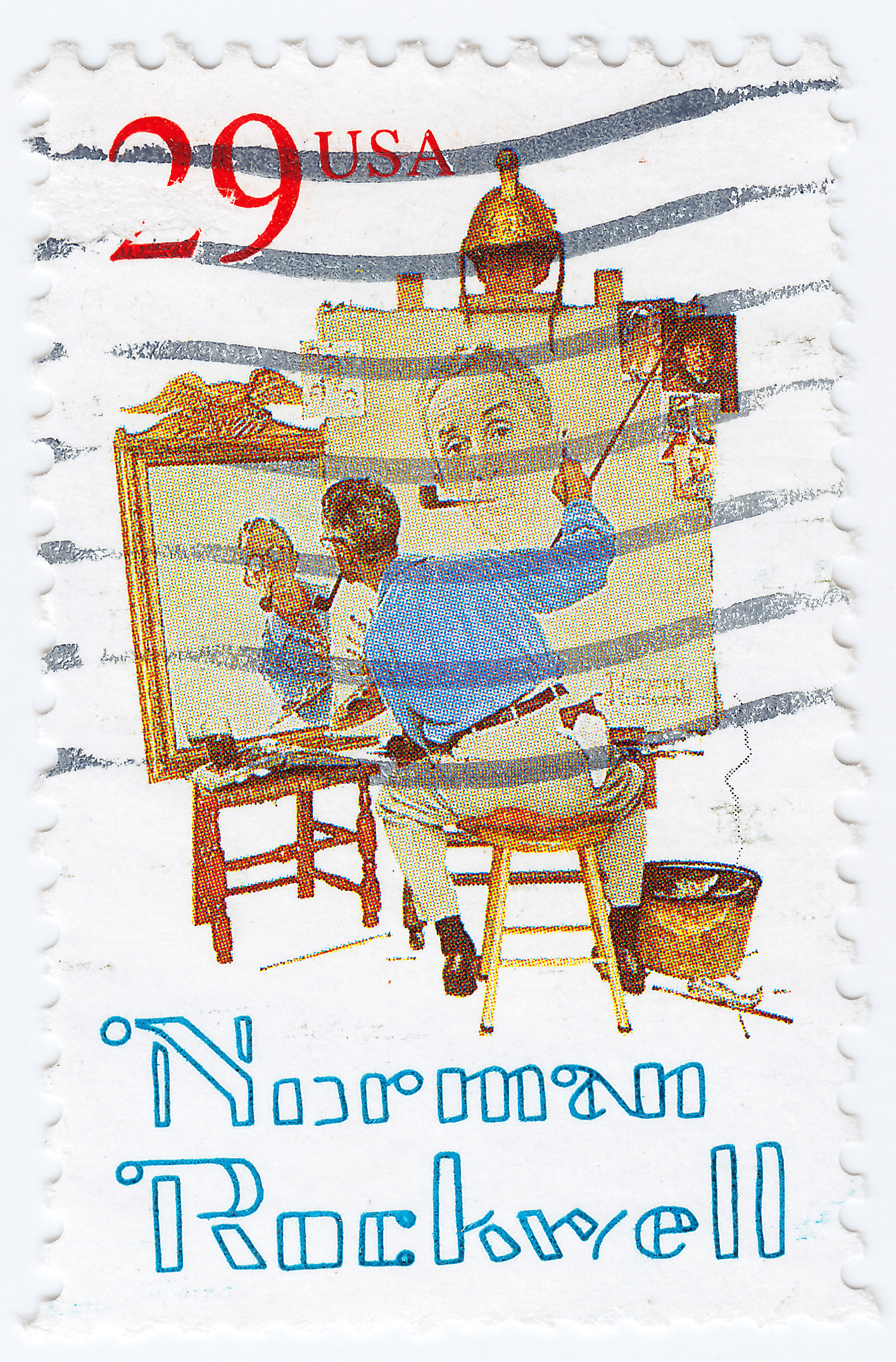
Few artists have captured the essence of everyday American life as vividly and tenderly as Norman Rockwell. His paintings and illustrations, often sentimental but never shallow, reflected a country’s values, dreams, and contradictions over the course of much of the 20th century. For millions of Americans, Rockwell’s art wasn’t just decoration — it was a mirror of who they were, and who they aspired to be.
Born on February 3, 1894, in New York City, Rockwell discovered a love for art at an early age. By age 14, he was taking classes at the New York School of Art. At 16, he left high school to study at the National Academy of Design, and soon after at the Art Students League. Rockwell’s talent for storytelling through illustration quickly made him stand out, and before long, his career was underway.
In 1916, Rockwell received his first major commission: a cover for The Saturday Evening Post. That partnership would last nearly five decades and produce more than 320 covers, cementing Rockwell as the visual chronicler of the American experience. His illustrations, meticulously detailed and brimming with character, graced the walls of barbershops, living rooms, and libraries across the country.
What set Rockwell apart was his ability to find beauty in the ordinary. He didn’t paint kings or generals — he painted children walking to school, families gathered around dinner tables, and small-town moments that were both familiar and universal. His work elevated the commonplace, showing that the rhythms of daily life could embody the spirit of a nation.
Rockwell’s style blended realism with a gentle idealism. His brushstrokes told stories without words: the nervous excitement of a boy in his first baseball uniform, the pride of a family gathered for Thanksgiving, the hope in the eyes of a young man casting his first vote. These images became part of the American cultural landscape, shorthand for values like family, freedom, perseverance, and kindness.
During World War II, Rockwell contributed one of his most enduring series: the Four Freedoms paintings, inspired by President Franklin D. Roosevelt’s 1941 State of the Union address. Freedom of Speech, Freedom of Worship, Freedom from Want, and Freedom from Fear were published in The Saturday Evening Post in 1943 and toured the country, helping raise more than $130 million in war bonds. The images were more than art — they were a rallying cry, grounding abstract ideals in relatable, human scenes.
But Rockwell’s art was not all nostalgia and comfort. As the nation changed, so did his work. In the 1960s, after leaving the Post, Rockwell began creating illustrations for Look magazine that addressed social issues directly. In 1964, he painted The Problem We All Live With, a powerful depiction of six-year-old Ruby Bridges being escorted by U.S. Marshals to an all-white school in New Orleans. The image, stark and courageous, forced Americans to confront the realities of desegregation and racial tension. It marked a turning point for Rockwell, who used his art to not only reflect America’s best self but also to challenge it to be better.
Despite his fame, Rockwell was known as a modest man, more comfortable in his studio than in the spotlight. He often used neighbors, friends, and family as models, staging elaborate photo sessions to capture just the right expression or gesture before turning them into his iconic paintings. His process was painstaking, but the results felt effortless — natural windows into American life.
Throughout his career, Rockwell received both acclaim and criticism. Some dismissed his art as overly sentimental or commercial, but time has proven the enduring power of his work. His paintings have outlived the trends of modernism and abstraction that once overshadowed him, resonating with new generations who see in them something timeless: the dignity of ordinary people and the enduring ideals of community and hope.
Norman Rockwell passed away in 1978, but his legacy continues through the Norman Rockwell Museum in Stockbridge, Massachusetts, which houses the largest collection of his work. His images remain fixtures in American culture, reproduced in history books, museum exhibitions, and classrooms. Presidents have cited him, communities have honored him, and Americans of all walks of life still see themselves in his art.
This Sunday, Think American News names Norman Rockwell as a Legend of the American Spirit. Not because his paintings flattered America, but because they told the truth about its spirit — sometimes idealized, sometimes imperfect, but always human. His art reminded us that patriotism can be found in kindness, courage in small acts, and greatness in everyday life.
Rockwell’s genius was not in painting perfection, but in showing us ourselves. And in that, he gave America not just art, but a vision of who we are, and who we strive to be.
RECENT
🇺🇸 Why the Liberty Bell Doesn’t Actually Ring Anymore
Did You Know?

A Rock Star’s Road to Redemption
Entertainment
New York Community Replaces Defaced Declaration Replica
America

How Four Seconds Can Help Calm the Mind
Friday Fuel

Heather Jenkins and The Power of Intentional Rest
Health & Wellness

Kentucky Bridge Project Gets $24M Boost
American Infra
Arizona Extends Farm Water Fee Relief
In The States

Macaroni, Dive Bars and Sundaes: July 7 Gets Weird
Offbeat Observances

Michigan Storm Recovery Gets Bipartisan Federal Boost
In The States
Canada Says Goodbye To Country Gentleman Tommy Hunter
Entertainment
BE THE FIRST TO KNOW
Want to stay in the loop? Be the first to know! Sign up for our newsletter and get the latest stories, updates, and insider news delivered straight to your inbox.

More Content By
Think American News Staff🇺🇸 Why the Liberty Bell Doesn’t Actually Ring Anymore
Did You Know?
A Rock Star’s Road to Redemption
Entertainment
New York Community Replaces Defaced Declaration Replica
America
Kentucky Bridge Project Gets $24M Boost
American Infra
Arizona Extends Farm Water Fee Relief
In The States
Michigan Storm Recovery Gets Bipartisan Federal Boost
In The States
Canada Says Goodbye To Country Gentleman Tommy Hunter
Entertainment
PA Lawmakers Focus on Energy
Energy

John Adams Saw America’s Future Before Anyone Else
America
The Revolutionary Ideas Behind July 4
Did You Know?
View All Content By Think American News Staff