Jun 22
Religion
Is Religion Making a Comeback in American Life? New Gallup Poll Suggests More Think So
Adobe Stock/Tanes/stock.adobe.com

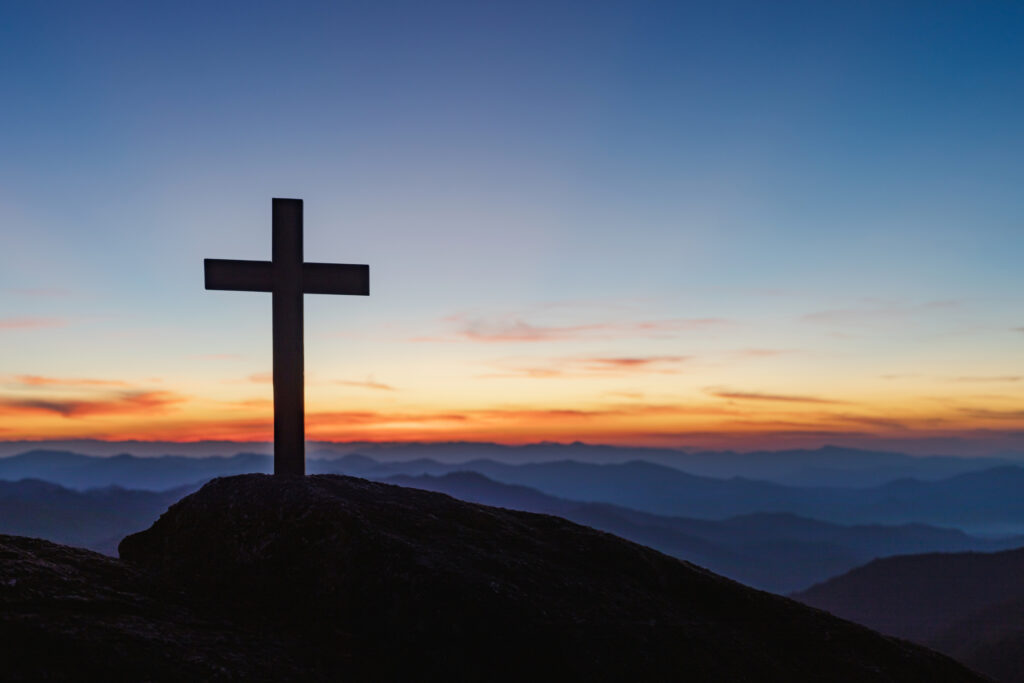
More Americans are beginning to sense a shift in the role religion plays in American society. A new Gallup poll shows that 34% of U.S. adults believe religion is increasing its influence—a significant rise from just 20% a year ago. While this still represents a minority view, it’s a clear break from the long-standing trend of decline. In fact, the percentage of Americans who believe religion is losing influence has dropped from 75% to 59% in the same timeframe.
This shift comes after nearly two decades of steady erosion in the perceived impact of religion on public life. Since 2006, Gallup has regularly reported that large majorities of Americans felt religion’s societal role was fading. That narrative may be changing. Not since major national moments like the 9/11 attacks or the early days of the COVID-19 pandemic has Gallup seen this kind of upswing. After 9/11, the number of Americans who believed religion was gaining ground jumped to 71%. During the pandemic’s onset in April 2020, the figure hit 38%, up from 19% just a few months earlier.
What makes this current rise notable is the absence of a singular, galvanizing event. Americans’ personal religious devotion hasn’t changed—47% still say religion is “very important” in their lives, a number that’s held steady. Instead, the increase in perceived influence may be tied to politics. Some analysts point to the 2024 Republican sweep of the federal government as a possible driver. When Republicans took control of Congress in 1994, a similar jump was recorded. That trend didn’t repeat in 2000, 2010, or 2016, but the latest shift may indicate a renewed connection in the public’s mind between political power and religious influence.
Interestingly, Gallup found that this change is not limited to one group. From May 2022 through May 2024, just 22% of adults said religion was gaining influence. In the December 2024 and May 2025 surveys, that number rose to 34%. Every major demographic showed an increase, though the size of the jump varied. Republicans saw the most dramatic rise—from 11% to 35%. Independents increased 10 points, from 21% to 31%. Democrats, already higher in this measure, still rose nine points, from 32% to 41%.
That brings the gap between Republicans and Democrats on this question to just six points, down from 21. Political liberals remain among the most likely to believe that religion is becoming more influential, with 43% agreeing—more than conservatives or moderates. Young adults are also more inclined to see a rise, with 40% saying so, compared to just 28% of adults aged 65 and older.
Even religious identity didn’t significantly change how people answered. Protestants (33%), Catholics (35%), and Americans with no religious affiliation (36%) all reported similar views on the growing role of religion in society. Regular attendance at religious services also didn’t strongly influence perceptions—whether Americans went weekly, occasionally, or not at all, roughly one-third in each group believed religion is on the rise.
Despite this perceived resurgence, long-term religious trends tell a different story. Fewer Americans belong to churches or attend services regularly, and identification with a specific religion continues to decline. But perception can be shaped by more than statistics. Politics, cultural signals, and national mood all play a role in how people view the world around them.
This latest data suggests that Americans may be responding less to personal experience and more to a broader narrative: that religious voices are gaining power in Washington and may once again be shaping national debates. Whether that perception will translate into a true cultural shift—or prove to be temporary—remains to be seen. For now, though, it’s clear that more Americans are noticing religion’s presence and wondering where it might be headed next.
RECENT
Chávez Day Under Review in Arizona
History

Crayons, Carbs, and Catastrophic Data Loss (Avoided)
Uncategorized
Bluegrass Duo Celebrates Milestone
Entertainment

Indiana Prosecutor Sends Clear Message on Child Neglect
Child Abuse
Oklahoma School Safety Bill Moves Forward
Education

Grace Kelly: Irish Roots Behind an American Icon
Legends of the American Spirit

Strength Beyond Sight in Texas
In The States

You Might Be Speaking Irish Without Knowing It
Did You Know?
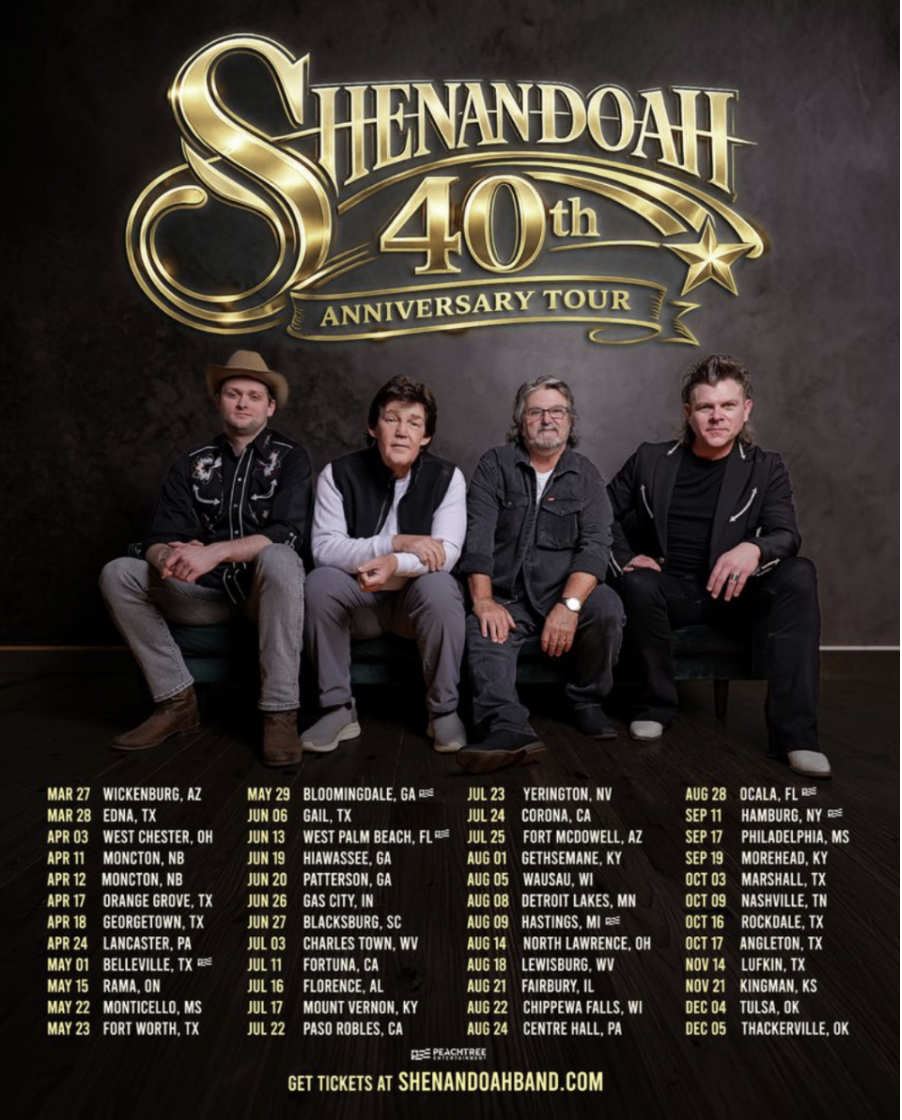
Country Legends Hit 40-Year Mark
Entertainment

Kentucky Targets Classroom Violence
Education
BE THE FIRST TO KNOW
Want to stay in the loop? Be the first to know! Sign up for our newsletter and get the latest stories, updates, and insider news delivered straight to your inbox.
More Content By
Think American News StaffChávez Day Under Review in Arizona
History
Bluegrass Duo Celebrates Milestone
Entertainment
Indiana Prosecutor Sends Clear Message on Child Neglect
Child Abuse
Oklahoma School Safety Bill Moves Forward
Education
Grace Kelly: Irish Roots Behind an American Icon
Legends of the American Spirit
Strength Beyond Sight in Texas
In The States
You Might Be Speaking Irish Without Knowing It
Did You Know?
Country Legends Hit 40-Year Mark
Entertainment
Kentucky Targets Classroom Violence
Education

Spring Into the Weekend
Dating
View All Content By Think American News Staff