Adobe Stock/vitaliymateha/stock.adobe.com
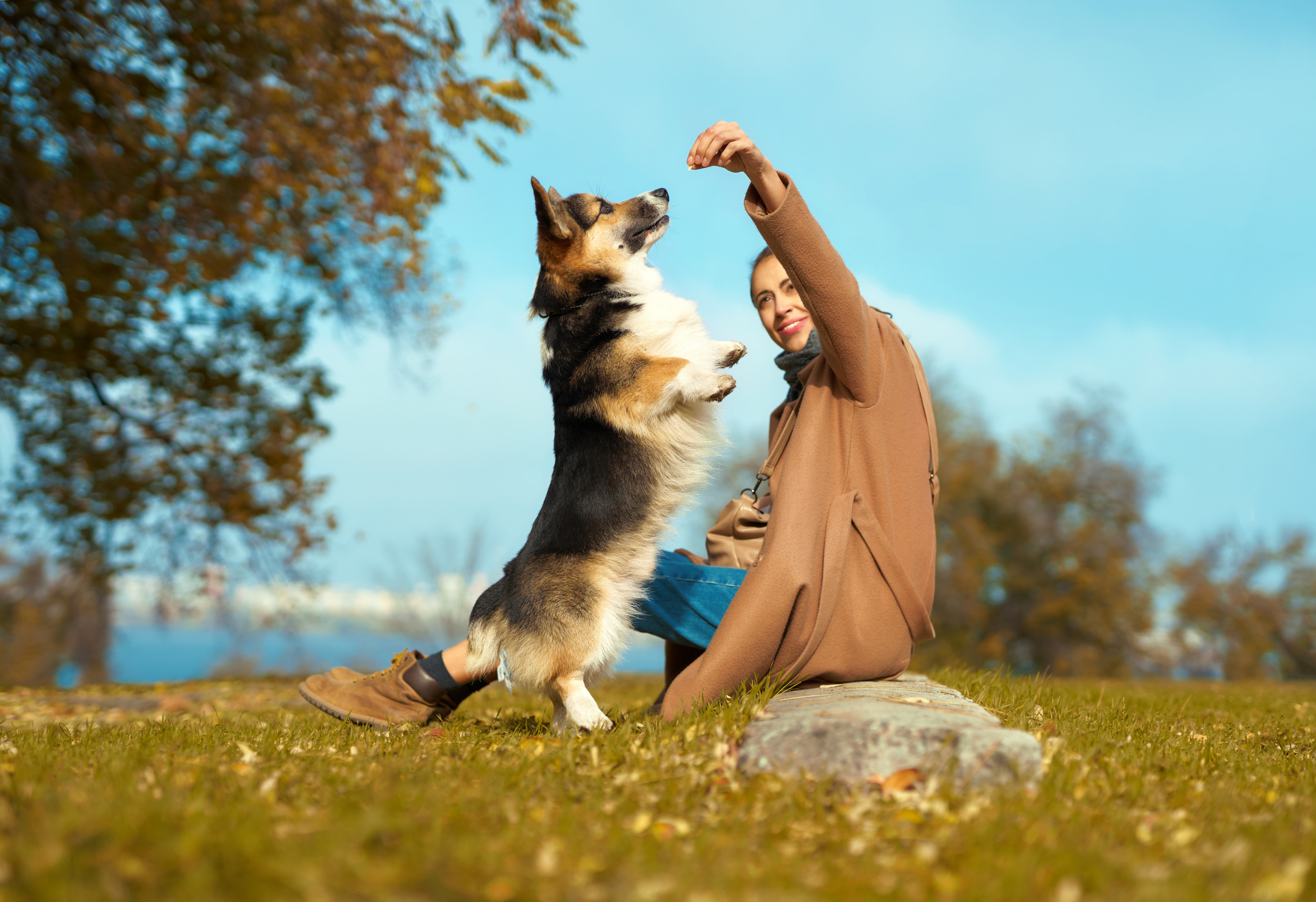
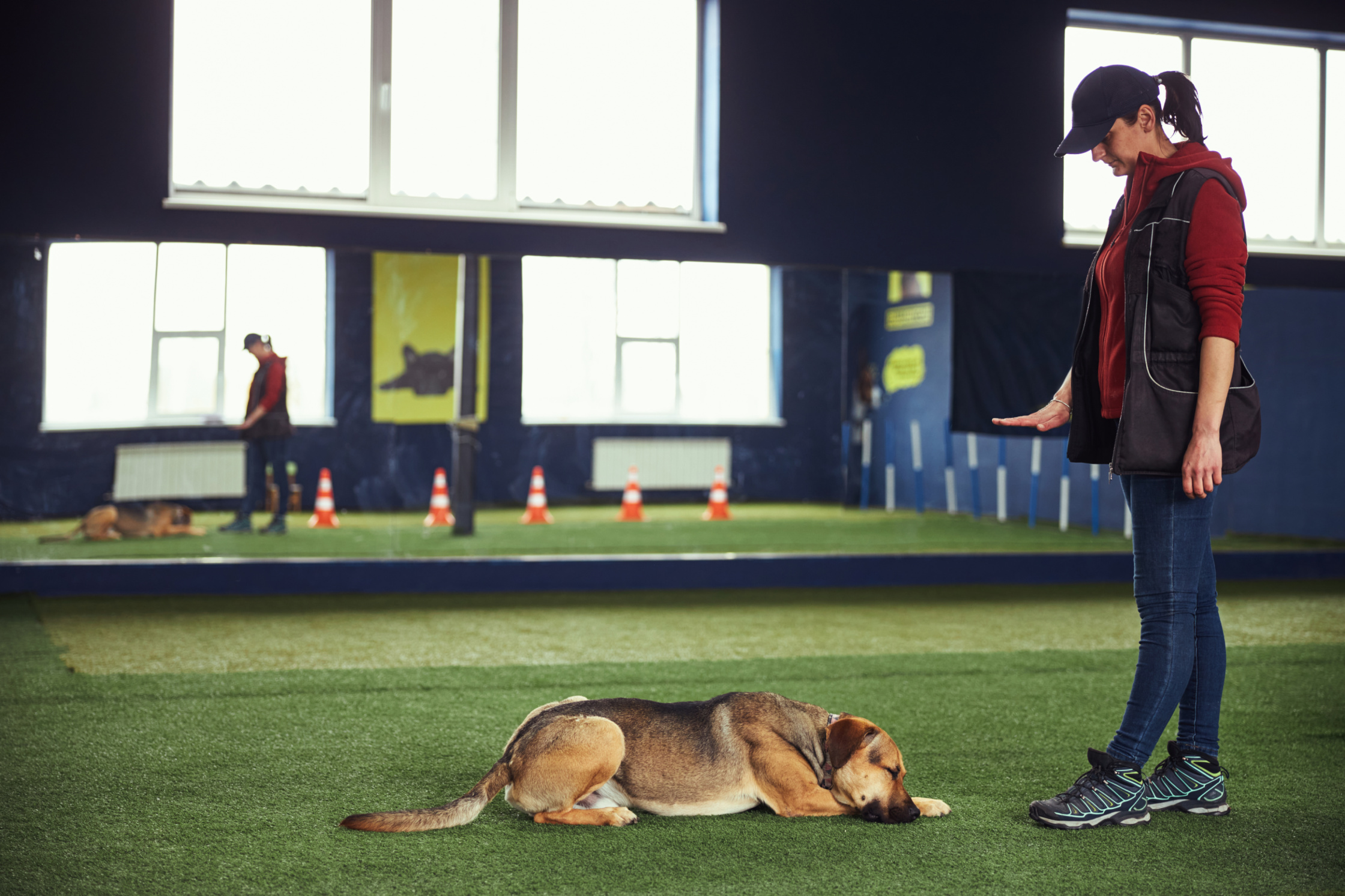
I have been asked many times, what is my most commonly asked dog training request. And my answer surprises nearly everyone. Most people are under the impression that dogs only need basic obedience training and then they’re set for life! But basic obedience is my LEAST common request from owners who need training for their dog. Dog parents aren’t super concerned if their dog knows heel, sit, stay, down, and come. They want help walking their dog who is uncontrollable on leash. Or they want to be able to leave the house without their dog freaking out. Now, while a foundation in basic obedience can’t hurt, these problems will not be solved by them simply mastering sit. These issues are complex and require an array of tools, and a specific approach to bring about a resolution.
Let’s start with crate training. It’s not just for puppies! Crates are a space control tool and tap into your dog’s natural ability and desire to den. In my 10+ years of training, dogs exhibiting minor to major behavioral issues have this ONE thing in common: unlimited access to their environment. If you are having issues with your dog, start controlling space. You will begin to see results IMMEDIATELY. After all, boundaries are the stuff of life!
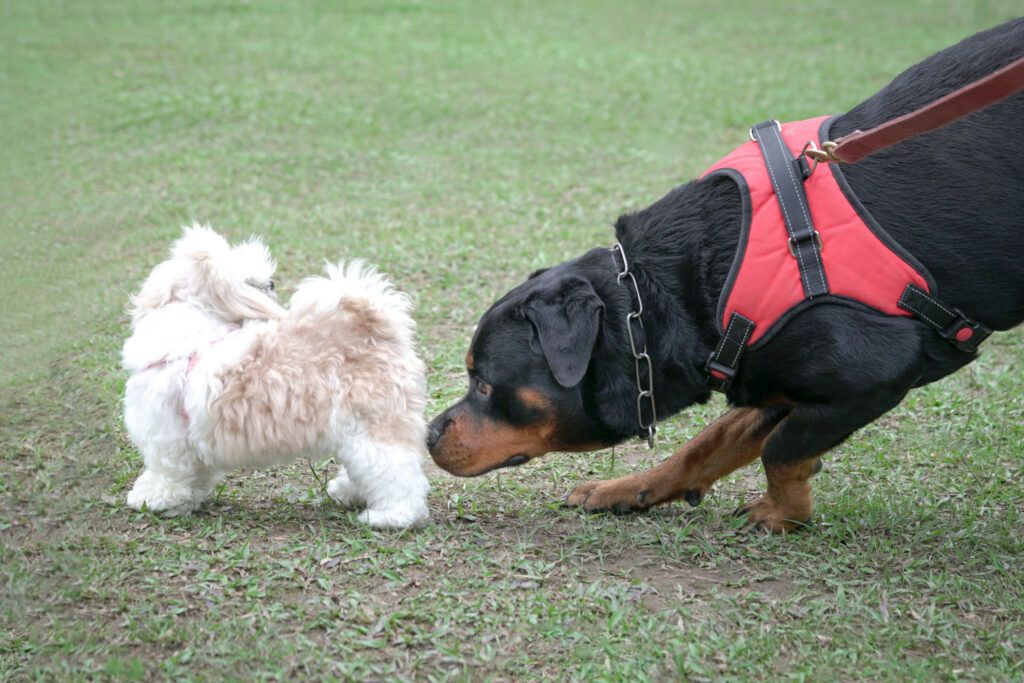
One of my favorite things to help owners work through, and most common training request, is for dogs who cannot be controlled on leash. Either they pull like a freight train OR are extremely reactive. These issues present a real problem for the average dog owner and potentially a huge liability. If you cannot control your dog on leash, then not only do you have a relationship issue with your dog, but your dog is not getting the exercise they need, which will lead to other behavioral problems. If you have a dog that pulls on leash, but is otherwise friendly and outgoing, you probably just need to change the tool you are walking them on. Most owners think that the body harness is THE way to go, but this isn’t always the case. Body harnesses were meant to encourage pulling as they sit on the strongest part of your dog’s body and hit a pressure point on their chest that tells their brain to pull. So, if your dog is already pulling you forward, and you are pulling their leash back, and they are in a body harness, they will actually pull you MORE because that’s what their brain is being told to do. One of the easiest and most effective tools to help resolve leash pulling, is The Sidekick by Heather’s Heroes and K9Lifeline. If your dog is reactive on leash, meaning they bark or lunge at dogs or people and cannot self-regulate their emotions, a communicative walk tool is a MUST to help their brain to learn how to process the situation more calmly. The Sidekick is a great tool for reactive dogs. Reactive dogs gone unchecked can become a huge liability so it’s an issue to be taken seriously. Reactive dogs are struggling to exist in the human world. They’re not GIVING you are hard time…they are HAVING a hard time. By helping them learn how to deal with their triggers instead of react to them, you are will be helping your dog live a healthier life and will be improving your relationship with them.
The second most common issue I get asked to help solve is separation anxiety: a dog’s inability to be away from their owner. Separation anxiety is indicative of your dog being unable to disengage from you. The best way to AVOID this problem is to create a solid, daily routine. This routine should have at least one or two structured walks factored in somewhere. Actively disengage from your dog throughout the day…crate rest would be a great option here. Lastly, do not feed into pushy or anxious behavior. Unfortunately, what most owners do not know is that they are unintentionally contributing to the problem. As humans, we enjoy the love and attention that our dogs give us. Petting a dog, talking to a dog, helps us to relax and feel good about ourselves. But, if we are always interacting with our dog, we may not be giving them the opportunity to disengage from us. And that makes leaving them by themselves, when we have to go to work or go out on a date night, that much harder for them. So, if your dog is already exhibiting signs of separation anxiety, begin the above training regimen ASAP! Just remember though, it’s easier to be proactive then to put the Genie back in the bottle.
Your dog’s behavior is directly connected to their perception of and their relationship with you. If you want to teach your dog something new, or resolve an issue you are having with them, you have to be prepared to change and learn new things as well. About 90% of dog training is training the human. The other 10% is the dog, who has been waiting patiently for you to finally understand them. And remember, when you are having migraines, you contact a neurologist. When you are having heart issues, you contact a cardiologist. So please, when you are having issues with your dog like the ones listed above, do not rely on YouTube or Instagram reels to solve your problems. Contact a professional!
RECENT

Indiana Targets Social Media Addiction Among Kids
Education

Grab Your Wife, Ralph Kramden — It’s Race Time
Bless Your Headlines

Three Silly Holidays Americans Are Celebrating on March 10
Bless Your Headlines

Wisconsin Targets Financial Exploitation
Finance

Wyze & The Tellers Release “This Ain’t That”
Entertainment

Trey Calloway Rolls Out “Truck Around”
Entertainment

The Irish Girl Who Opened Ellis Island
Culture
AJ’s Legacy Drives Road Safety in NY
Life & Death

Irish Americans Who Helped Build the United States
Did You Know?
Wisconsin Lawmaker Steps “On the Job” with Local Workers
Economy
BE THE FIRST TO KNOW
Want to stay in the loop? Be the first to know! Sign up for our newsletter and get the latest stories, updates, and insider news delivered straight to your inbox.

More Content By
Kate McCue
When Love Means Letting Go
Animals
Healing Trauma in Rescue Dogs Starts with Rebuilding Trust
Animals

Why Your Dog’s Diet Matters More Than You Think
Uncategorized
Patience, Perseverance, Perspiration
Mans Best Friend
Scent Work: Mental Exercise for Happier Dogs
Animals

It’s Just a Puppy! Or Is It?
Mans Best Friend
When Dogs Act Like Dogs, Everyone Wins
Mans Best Friend

Training Dogs Without a Treat Bag
Mans Best Friend
Why Breed Doesn’t Predict Therapy Dog Success
Mans Best Friend

Holiday Dog Safety Tips
Mans Best Friend
View All Content By Kate McCue