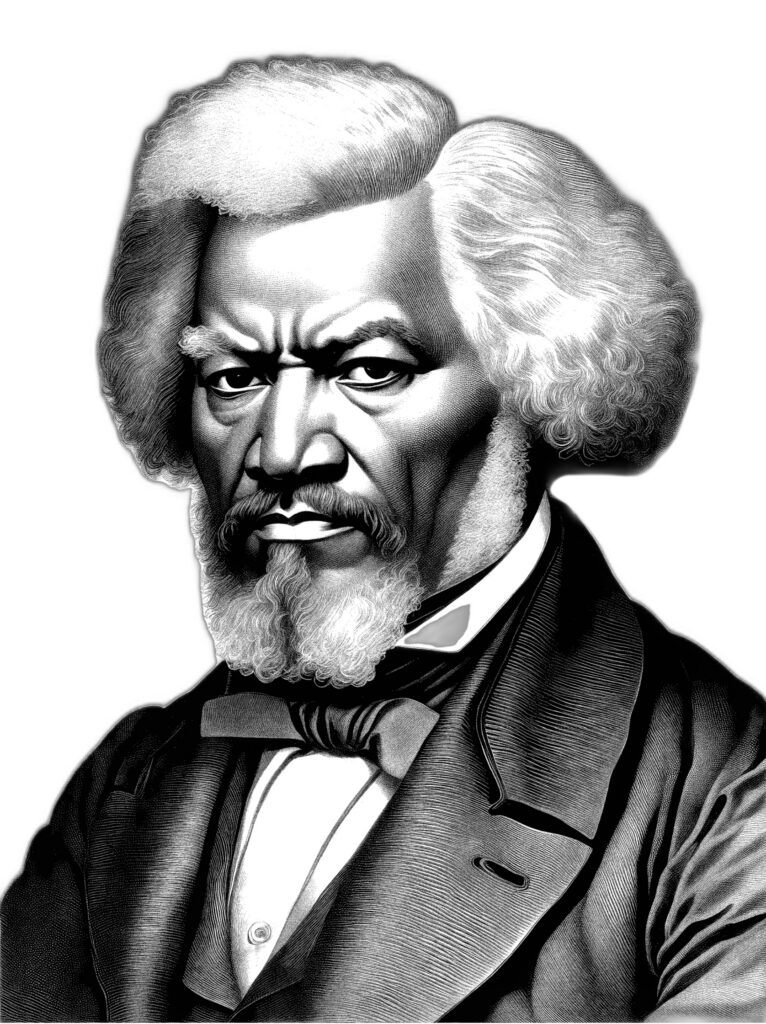
The Fearless Pilot Who Shattered the Sound Barrier and Changed Aviation Forever
Adobe Stock/ustas/stock.adobe.com

In the skies above the United States, few names are as synonymous with bravery, innovation, and groundbreaking achievement as Chuck Yeager. The man who made history by breaking the sound barrier stands as a testament to the American spirit—one of relentless perseverance, undaunted courage, and a drive to conquer the unknown.
Born on February 13, 1923, in Myra, West Virginia, Charles Elwood Yeager was the son of a coal miner. His early years were rooted in the working-class hardships of Appalachia, where he learned the values of hard work, determination, and resilience. Though he had a rough start, Yeager’s ambitions would propel him to the heights of aviation history. The story of his rise is not just about speed and the science of flight but about the courage to face failure, adapt, and press on in the face of adversity.
Yeager’s journey to aviation greatness began not in the cockpit of a fighter jet but in the cockpits of World War II. In 1941, at the age of 18, he enlisted in the U.S. Army Air Forces as an aviation cadet. His early work as a mechanic for the Air Corps laid the foundation for his later flying career, providing him with a technical understanding of aircraft that would later prove invaluable. Soon, Yeager was flying combat missions over Europe during World War II as a fighter pilot.
By 1944, Yeager had earned a reputation as one of the most skilled and daring pilots in the skies. He shot down five enemy aircraft to become an “ace,” a rare accomplishment for any pilot, but Yeager’s best was yet to come. On his 13th mission, his P-51 Mustang was shot down over France. Yeager, however, refused to be captured. He evaded the enemy, trekking through the rough countryside and finding his way back to Allied territory.
However, it wasn’t until after the war that Yeager’s name became etched in the history books. In 1947, Yeager was selected to test a revolutionary new aircraft—the Bell X-1. The X-1 was a rocket-powered plane designed to achieve speeds faster than sound. While breaking the sound barrier had been a subject of intense speculation and debate for years, no one had ever accomplished it.
On October 14, 1947, Yeager climbed into the cockpit of the X-1, dubbed “Glamorous Glennis” in honor of his wife, and took off from Muroc Air Base in California’s Mojave Desert. The plane had been designed to reach speeds of Mach 1—the speed of sound—but no pilot had ever succeeded in crossing that invisible threshold. The pressure was immense, and the stakes were higher than ever before.
During the flight, Yeager reached a speed of Mach 1.06 (about 700 miles per hour). In that moment, Yeager not only made history as the first person to break the sound barrier but also opened the door for the future of aviation. His achievement was not just a technological milestone—it represented a daring leap into the unknown, driven by human innovation and audacity.
However, the flight didn’t come without challenges. Yeager’s X-1 suffered mechanical issues, and the control surfaces of the aircraft became unstable, creating a dangerous situation. But Yeager remained calm, using his sharp instincts and years of flying experience to navigate the troubled plane back to safety. His unflappable demeanor, even in the most harrowing situations, would become one of the hallmarks of his career.
Yeager’s accomplishments didn’t stop at the speed of sound. Over the next few years, he continued to push the limits of aviation, setting numerous records in altitude and speed. He also made significant contributions to the development of military aircraft, serving as a test pilot for cutting-edge planes during the Cold War. Yeager’s career spanned over 30 years, and in that time, he flew more than 10,000 flight hours.
Throughout his career, Yeager became a symbol of what could be achieved through grit, perseverance, and an insatiable desire to defy expectations. His accomplishments were not limited to technological feats; he embodied the spirit of American exceptionalism—the belief that anything is possible with enough determination and courage.
In 1975, Yeager retired from the Air Force as a brigadier general, having served his country in numerous capacities. But even after his retirement, he continued to serve as an ambassador for the aviation industry, advocating for advancements in technology, safety, and aerospace exploration.
What makes Chuck Yeager’s legacy even more significant is the mentorship he provided to future generations of pilots. His guidance, advice, and unrelenting passion for flight inspired countless young men and women to pursue careers in aviation. He showed that with hard work and the courage to face seemingly insurmountable obstacles, greatness is achievable.
Yeager’s story is more than just a tale of a man who defied gravity. It is about pushing the boundaries of human potential. In his later years, he became an icon in American culture, representing the values of exploration, resilience, and the relentless pursuit of excellence. His example, particularly in the world of aviation, continues to inspire generations to reach for the stars—whether literally or figuratively.
Chuck Yeager’s legacy is a shining example of what it means to embody the American Spirit—to face challenges head-on, to persist in the face of failure, and to chart a course into the unknown. His accomplishments in aviation, particularly his groundbreaking flight that shattered the sound barrier, remind us of the power of innovation and the courage required to explore new frontiers.
In every sense, Yeager personifies the indomitable will of the American people. His pioneering work in aviation helped to redefine what was thought possible and opened the door to further exploration and innovation. His contributions to the military, aviation, and space exploration set the stage for future technological advancements and left a lasting impact on the world.
As we reflect on his extraordinary life, it’s clear that Chuck Yeager’s legacy is not just about breaking the sound barrier—it’s about breaking the barriers of possibility. His story will continue to inspire those who dare to dream, explore, and push beyond the limits of what’s been done before.
In the end, Chuck Yeager’s impact is not just a chapter in the history of aviation—it’s a testament to the power of human courage, tenacity, and the pursuit of greatness.
RECENT

Michigan Students Invited to Compete for “Representative for a Day”
Education

A Statewide Celebration of Stories, Learning, and Lifelong Literacy in Michigan
Education

Marcell Highlights Sextortion Prevention
In The States
How Frederick Douglass Helped Move America Forward
History

William Lee Golden Releases Golden Memories
Entertainment

One Constitutional Amendment Took 203 Years to Pass
Did You Know?

2026 Nurses Day at the Capitol Draws Hundreds to Madison, WI
Health & Wellness

Your Weekend Game Plan Starts Here
America

Kentucky Jury Delivers 285 Years in Child Exploitation Case
Law and Order

Healing Trauma in Rescue Dogs Starts with Rebuilding Trust
Animals
BE THE FIRST TO KNOW
Want to stay in the loop? Be the first to know! Sign up for our newsletter and get the latest stories, updates, and insider news delivered straight to your inbox.

More Content By
Think American News StaffMichigan Students Invited to Compete for “Representative for a Day”
Education
A Statewide Celebration of Stories, Learning, and Lifelong Literacy in Michigan
Education
Marcell Highlights Sextortion Prevention
In The States
How Frederick Douglass Helped Move America Forward
History
William Lee Golden Releases Golden Memories
Entertainment
One Constitutional Amendment Took 203 Years to Pass
Did You Know?
2026 Nurses Day at the Capitol Draws Hundreds to Madison, WI
Health & Wellness
Your Weekend Game Plan Starts Here
America
Kentucky Jury Delivers 285 Years in Child Exploitation Case
Law and Order

Garten Welfare Reform Bill Heads to Governor
In The States
View All Content By Think American News Staff