May 18
Missing In America
Vanished and Forgotten: Arizona Lawmakers Sound Alarm on Violence Plaguing Native Communities
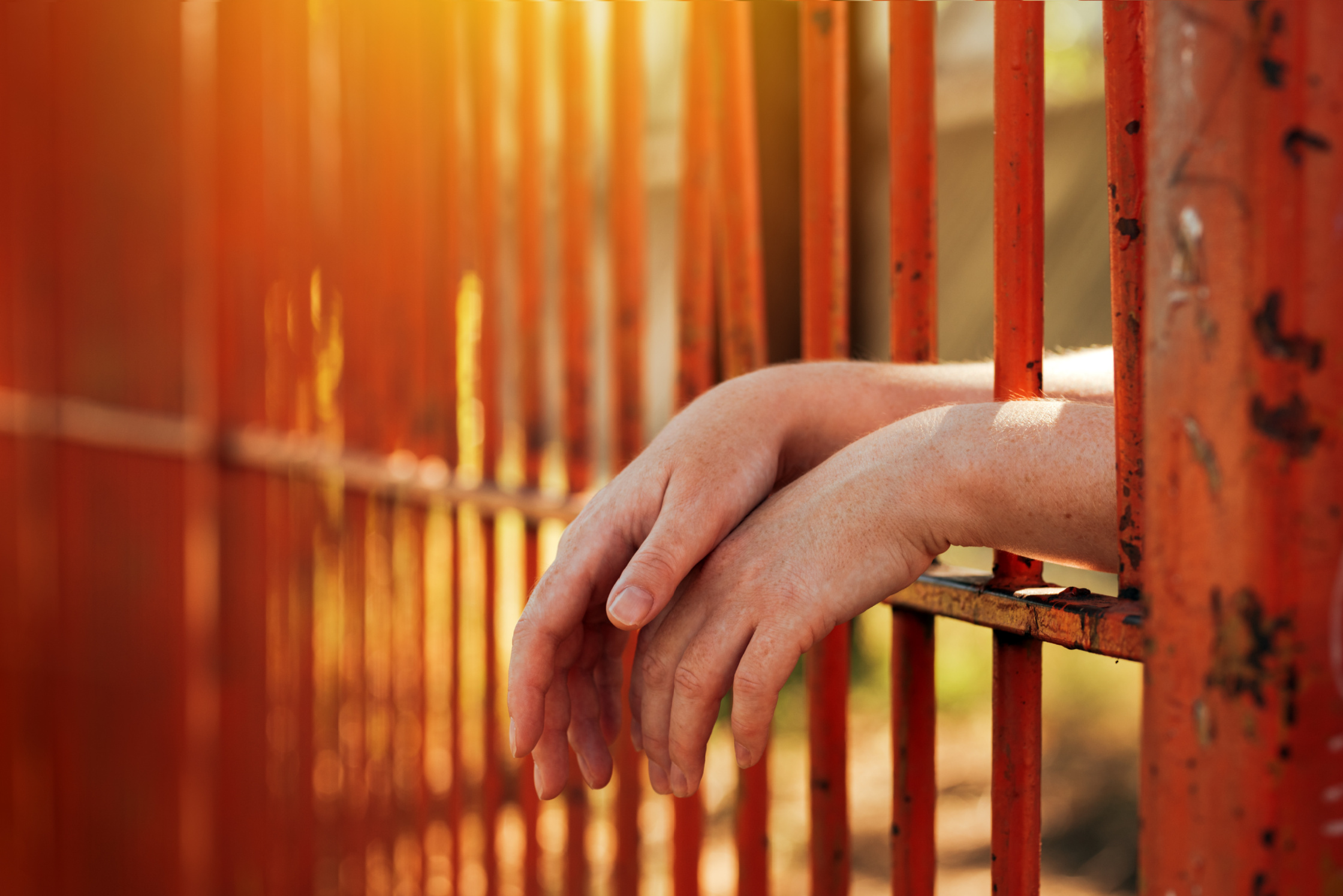
Adobe Stock/Anchalee/stock.adobe.com
Two Arizona lawmakers are calling for swift and sweeping action to address the ongoing crisis of violence in Native American and Alaska Native communities. State Representatives Walt Blackman and Teresa Martinez say the time for talk has passed and are demanding concrete steps from both state and federal officials to respond to what they describe as a public safety emergency hiding in plain sight.
Recent findings from the Centers for Disease Control and Prevention and the Government Accountability Office paint a grim picture. Native women and girls experience some of the highest rates of sexual violence, homicide, and human trafficking in the country. Native men also face disproportionately high rates of violent death. In 2016 alone, more than 5,700 Native women and girls were reported missing—yet only 116 of those cases made it into the federal NamUs database, highlighting glaring gaps in national recordkeeping.
“This isn’t just about numbers—these are lives lost and families shattered,” said Representative Blackman, who serves as Chairman of the House Government Committee. His district borders the Navajo Nation, where, he says, many families are still waiting for justice. “Too many cases are ignored, misclassified, or left unsolved. We need our congressional delegation, state leaders, and federal agencies to act.”
Martinez echoed the urgency of the moment. “People in these communities need help—investigators, forensic tools, trained personnel, and victim services. Words are not enough. We need action,” she said. “Our Native communities have waited long enough. This is a matter of justice. The time to act is now.”
The crisis isn’t new. A 2017 GAO report found that nearly 60% of tribal law enforcement agencies lack the resources and training needed to investigate trafficking and violent crime. In some tribal areas, rates of violence are estimated to be ten times higher than the national average. Despite growing awareness, the lawmakers say not enough has been done to close the gaps between intention and impact.
Blackman and Martinez are urging an all-hands-on-deck response—from improved interagency coordination to better funding for tribal police and services for victims and families. They say a failure to act is not just a policy failure, but a moral one.
“This crisis has persisted for too long,” said Blackman. “Every unsolved case, every child taken, every family grieving in silence—that’s a consequence of government inaction. And we’re done waiting.”
RECENT

Cash or Card? New York Says Both
In The States

Country Newcomer Delivers Raw Finale
Entertainment

The Irish-American Legacy Behind Henry Ford’s Success
Legends of the American Spirit

Two Wins for Wisconsin Women
Health & Wellness
End of an Era: Devin LeMahieu Declines Reelection Bid
In The States

Kelly Lang Teases New Album with Latest Single
Entertainment
Pinch Me! The Story Behind Wearing Green
Did You Know?

Hello Spring, Hello Plans
Dating
Indiana Case Sends Message
In The States

Why Boundaries ARE Love
Mans Best Friend
BE THE FIRST TO KNOW
Want to stay in the loop? Be the first to know! Sign up for our newsletter and get the latest stories, updates, and insider news delivered straight to your inbox.

More Content By
Think American News StaffCash or Card? New York Says Both
In The States
Country Newcomer Delivers Raw Finale
Entertainment
The Irish-American Legacy Behind Henry Ford’s Success
Legends of the American Spirit
Two Wins for Wisconsin Women
Health & Wellness
End of an Era: Devin LeMahieu Declines Reelection Bid
In The States
Kelly Lang Teases New Album with Latest Single
Entertainment
Pinch Me! The Story Behind Wearing Green
Did You Know?
Hello Spring, Hello Plans
Dating
Indiana Case Sends Message
In The States

Disco Legends Set Sail in 2027
Entertainment
View All Content By Think American News Staff