May 04
Religion
Shocking Shift in America’s Faith: Why More Than 1 in 5 Americans Are Walking Away from Religion
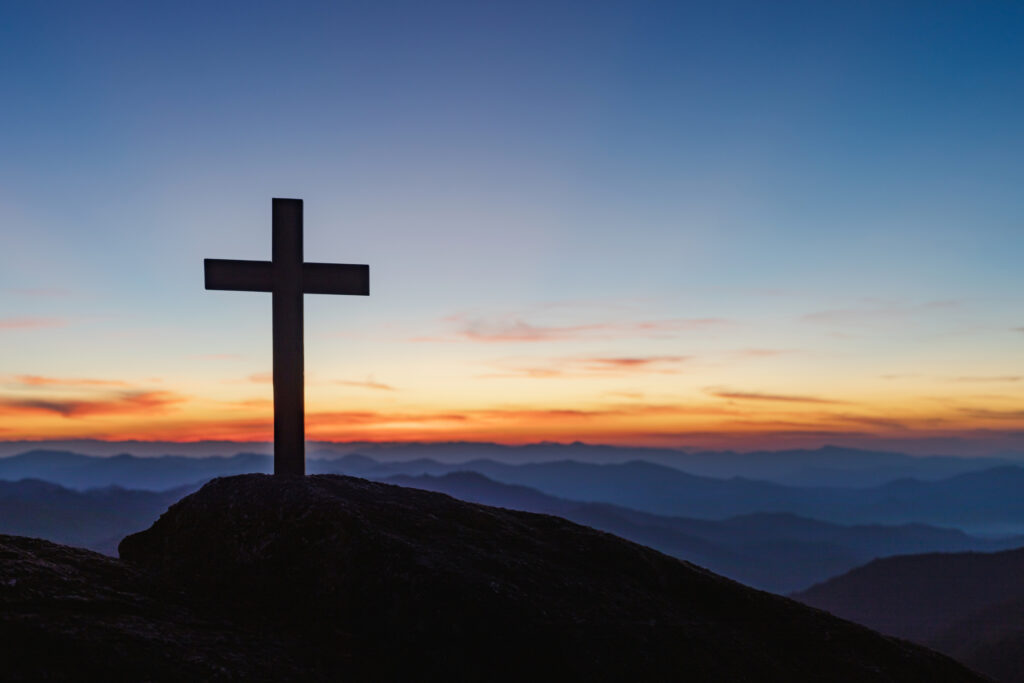
Adobe Stock/sticker2you/stock.adobe.com

In a recent Gallup poll, Americans’ religious preferences have shown little change since 2020, following significant shifts in religious identification over the past two decades. The data reveals that while religious preferences have fluctuated over the years, they have largely remained stable since 2020. In 2024, 45% of Americans identified as Protestant or nondenominational Christian, 21% as Catholic, and 22% reported having no religious affiliation. These figures are nearly identical to those from 2018-2020, showing minimal fluctuation in religious identification.
This report draws on annual Gallup Poll data collected from over 12,000 U.S. adults, providing valuable insights into the religious landscape of the nation. In contrast to the turn of the millennium, when 57% of Americans identified as Protestant, today’s religious affiliations reflect notable shifts. Catholics, who represented 25% of the population in 2000, now make up just 21%. Meanwhile, the number of Americans with no religious preference has nearly tripled from 8% in 2000 to 22% in 2024.
These trends suggest that younger generations are leading a significant shift in religious affiliation. Among Generation Z (18-27 years old) and millennials (28-43 years old), more than 30% identify as “nones” — individuals with no religious preference — a stark contrast to older generations, where the number is far lower. In fact, among older adults, especially those in the Baby Boomer and Silent generations, less than one in ten report having no religious affiliation.
Interestingly, as younger Americans continue to grow into adulthood, religious “nones” have become the largest religious subgroup, rivaling Protestants in numbers. While Christian identity remains dominant in older generations, younger Americans increasingly identify with religions outside of Christianity or none at all. Specifically, nearly 2% of Gen Z and more than 1% of millennials identify as Muslim, a figure considerably higher than in older generations.
Despite this generational shift, the overall U.S. population continues to identify predominantly with Christianity. The number of non-Christian religious affiliations, such as Islam and Judaism, remains small, though they are more prominent among younger adults.
The underlying cause of the shift is not just population replacement, but also a broader cultural and generational change. Over the past two decades, younger adults have increasingly distanced themselves from organized religion, leading to a long-term decline in Christian affiliation. Millennials, for instance, have seen an 8% increase in those reporting no religious affiliation since the early 2000s, with similar trends seen in Gen Z.
The implications of these findings suggest that, should current trends continue, the percentage of Christians in the U.S. could fall to below 50% as younger generations age and eventually replace older generations in the overall demographic makeup. This decline is expected to be gradual but significant over the coming decades.
As religious holidays such as Easter, Passover, and Ramadan bring attention to different faith traditions, it is clear that the U.S. religious landscape is undergoing substantial change. For now, however, Gallup’s data shows that religious identification has reached a point of stability, with slight but steady shifts between generations. As the millennial generation ages, their increased disaffiliation from organized religion may pave the way for even more significant changes in the future.
RECENT

Bill Aims to Keep Data Center Costs Off Utility Bills
In The States

Kentucky Mom Backs Phone-Down Bill
In The States

Simple Daily Habits That Support Your Whole Self
Health & Wellness

Braille Literacy Spotlighted in Texas
Disability Advocacy

Lawmakers Call for Audit of Child Care Spending
Fraud

New Arizona Committees Target AI Innovation and Rural Economies
Artificial Intelligence

If January 6 Had a Personality, It Would Be Unhinged
Holidays
Hoosier Students Get Inside Look at Lawmaking
Education

Serving Texans, Protecting Texas
In The States

Booker T. Washington and the Power of Building Slowly
Legends of the American Spirit
BE THE FIRST TO KNOW
Want to stay in the loop? Be the first to know! Sign up for our newsletter and get the latest stories, updates, and insider news delivered straight to your inbox.

More Content By
Think American News StaffBill Aims to Keep Data Center Costs Off Utility Bills
In The States
Kentucky Mom Backs Phone-Down Bill
In The States
Braille Literacy Spotlighted in Texas
Disability Advocacy
Lawmakers Call for Audit of Child Care Spending
Fraud
New Arizona Committees Target AI Innovation and Rural Economies
Artificial Intelligence
Hoosier Students Get Inside Look at Lawmaking
Education
Serving Texans, Protecting Texas
In The States
Booker T. Washington and the Power of Building Slowly
Legends of the American Spirit

Jan. 15 Is Key for Indiana Property Tax Savings
In The States

Why the New Year Didn’t Always Start in January
Did You Know?
View All Content By Think American News Staff